Unlock Faster Recovery and Enhanced Detoxification with Whey and Collagen
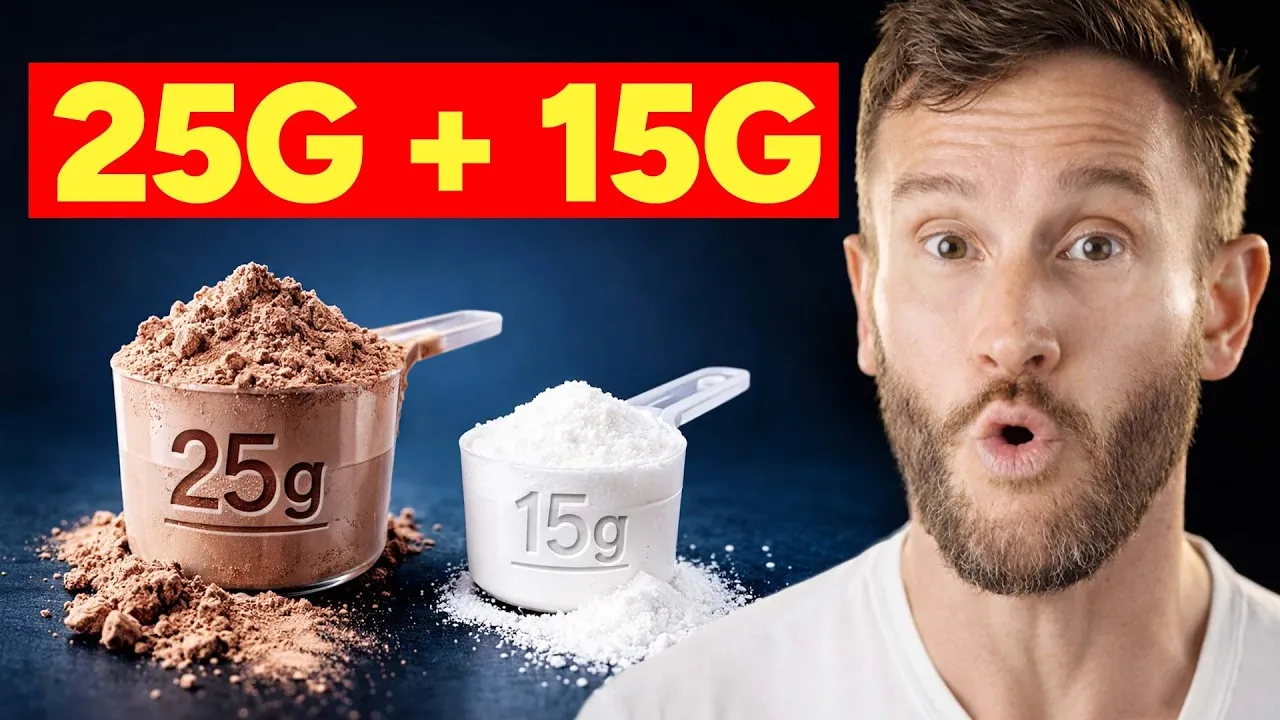
When you engage in strenuous physical activity, your body undergoes more than just muscle breakdown. Your liver and connective tissues are also put under significant stress. The liver works diligently to clear metabolic byproducts and oxidative stress generated during exercise, a process crucial for fat loss and overall health. A key player in this detoxification and recovery process is glycine, an amino acid that is abundant in collagen. Emerging research suggests that combining whey protein with collagen post-workout could be a game-changer for muscle repair, liver function, and even sleep quality.
The Liver’s Crucial Role in Post-Workout Recovery
Intense workouts produce reactive oxygen species and lipid peroxides, leading to oxidative stress. Your liver’s primary role is to neutralize these byproducts through a process called Phase 2 detoxification. This involves attaching amino acids to toxins to facilitate their excretion from the body. Glycine is one of the main amino acids your liver relies on for this essential function, particularly for a process known as glycine conjugation. Studies, such as one published in Zenobiotica, highlight the liver tissue’s particular effectiveness in utilizing glycine for detoxification. Essentially, glycine acts as a molecular escort, binding to and neutralizing toxic byproducts before ushering them out of the body.
However, many modern diets lack sufficient glycine. While foods rich in protein like chicken breast and whey are common, they often fall short in glycine compared to sources like collagen or gelatin, found in bone broth and well-cooked cuts of meat like ground beef with its gristle. This deficiency means that while muscles may receive adequate protein, the body’s detoxification machinery can be starved of essential components like glycine.
Glycine and Whey: Powering Glutathione Production
The synergy between glycine and whey protein extends to the body’s master antioxidant and detoxification system: glutathione. Glutathione is synthesized from three amino acids: cysteine, glycine, and glutamate. Whey protein provides cysteine and glutamate, while collagen delivers the crucial glycine. Research, including a study in the Journal of Nutrition, indicates that many individuals do not meet the minimum glycine threshold required for optimal glutathione synthesis. When glycine levels are insufficient, glutathione production decreases, leading to increased oxidative stress and hindering recovery.
Restoring glycine levels can help normalize glutathione synthesis. A study published in Science Translational Medicine found that supplementing with glycine alongside cysteine not only increased intracellular glutathione but also improved insulin sensitivity and enhanced mitochondrial fat oxidation. Therefore, combining whey protein and collagen effectively completes the antioxidant circuit, providing the necessary components for glutathione production, supporting liver function, and potentially improving fat-burning capabilities.
Dual Anabolic Support: Muscle and Connective Tissue
Post-workout recovery involves more than just muscle protein synthesis. Connective tissues, including tendons, ligaments, and fascia, also experience stress during exercise. Whey protein, rich in leucine, effectively triggers muscle protein synthesis by activating the mTOR pathway, the signal for muscle growth and repair. Collagen, on the other hand, is packed with glycine, proline, and hydroxyproline – the building blocks of connective tissue.
By combining whey protein and collagen after training, you provide support for both muscle rebuilding and connective tissue repair simultaneously. This dual approach ensures that the tissues responsible for movement and structural integrity are both being replenished. Furthermore, as glycine supports the glutathione and detoxification systems, this combination synchronizes tissue repair with detoxification processes within the same recovery window, leading to more robust and durable recovery.
Glycine’s Role in Liver Health and Inflammation Control
The liver possesses its own immune system, involving specialized cells called Kupffer cells. These cells can release inflammatory cytokines in response to stress, such as intense training. Glycine has a direct impact on these cells. Research published in the American Journal of Physiology demonstrates that Kupffer cells have glycine-gated chloride channels. When glycine binds to these channels, it helps block inflammatory cascades, effectively reducing inflammation within the liver.
Studies involving animals exposed to toxins have shown that pre-treatment with high doses of glycine significantly reduced liver damage. This suggests that glycine not only aids in the detoxification process but also actively shields the liver from inflammation. Given that strenuous workouts can elevate liver enzymes, supporting the liver’s resilience is crucial. Glycine-based peptides have also been linked to reduced fatty liver, increased fat oxidation genes, and improved mitochondrial efficiency, contributing to better fat loss and reduced metabolic waste.
Optimizing Timing and Dosage for Maximum Benefit
To leverage the benefits of whey protein and collagen, strategic timing and dosage are key:
- Post-Workout Recovery & Detoxification: Consume 30-40 grams of whey protein isolate or concentrate within 30 minutes after your workout. Combine this with 10-20 grams of collagen peptides. For particularly intense or metabolically demanding workouts, consider adding an extra 2-3 grams of pure glycine.
- Connective Tissue Support (Pre-Workout): For heavy or plyometric training, taking 10-15 grams of collagen peptides 30-45 minutes before your workout can help preload connective tissues, reducing stress. Adding 100-500 milligrams of Vitamin C can also support collagen cross-linking for stronger connective tissue.
- Liver Regeneration & Sleep (Evening): Take 3-5 grams of pure glycine 30-60 minutes before bed. This aids the liver’s overnight detoxification phase and promotes deeper sleep by activating the parasympathetic nervous system.
For those looking to enhance glutathione production through diet, pairing high-sulfur foods (like eggs, garlic, broccoli, cauliflower) with glycine-rich sources can be beneficial. Alternatively, combining ground beef with eggs offers a potent mix of glycine and sulfur compounds.
Key Health Takeaways
- Support Liver Detoxification: Glycine, abundant in collagen, is crucial for your liver’s ability to neutralize metabolic byproducts from exercise.
- Boost Antioxidant Power: Combining whey protein (providing cysteine and glutamate) with collagen (providing glycine) helps your body produce glutathione, a master antioxidant.
- Repair Muscle and Connective Tissue: Whey protein supports muscle protein synthesis, while collagen aids in repairing tendons, ligaments, and fascia.
- Reduce Liver Inflammation: Glycine can help calm inflammatory responses within the liver, protecting mitochondria and improving fat-burning capacity.
- Optimize Timing: Post-workout is ideal for muscle and detox support, while pre-workout can benefit connective tissue, and bedtime aids liver regeneration and sleep.
Disclaimer: This article is for informational purposes only and does not constitute medical advice. Always consult with a qualified healthcare professional before making any decisions related to your health or treatment.
Source: Whoa! Whey Protein PLUS Collagen is a Game-Changer (YouTube)