Unlock Fuller Shoulders: The Best Exercises for Side Delt Development
Achieving well-rounded shoulder development often centers on targeting all three heads of the deltoid muscle: anterior (front), posterior (rear), and medial (side). While front and rear delt exercises are frequently discussed, the side delts, responsible for shoulder width and the coveted “V-taper” look, deserve focused attention. Understanding which exercises are most effective for isolating and strengthening these muscles can significantly enhance your physique and functional strength. This article explores top-tier exercises for side delts, drawing insights from expert analysis and common training principles.
Understanding the Side Deltoids
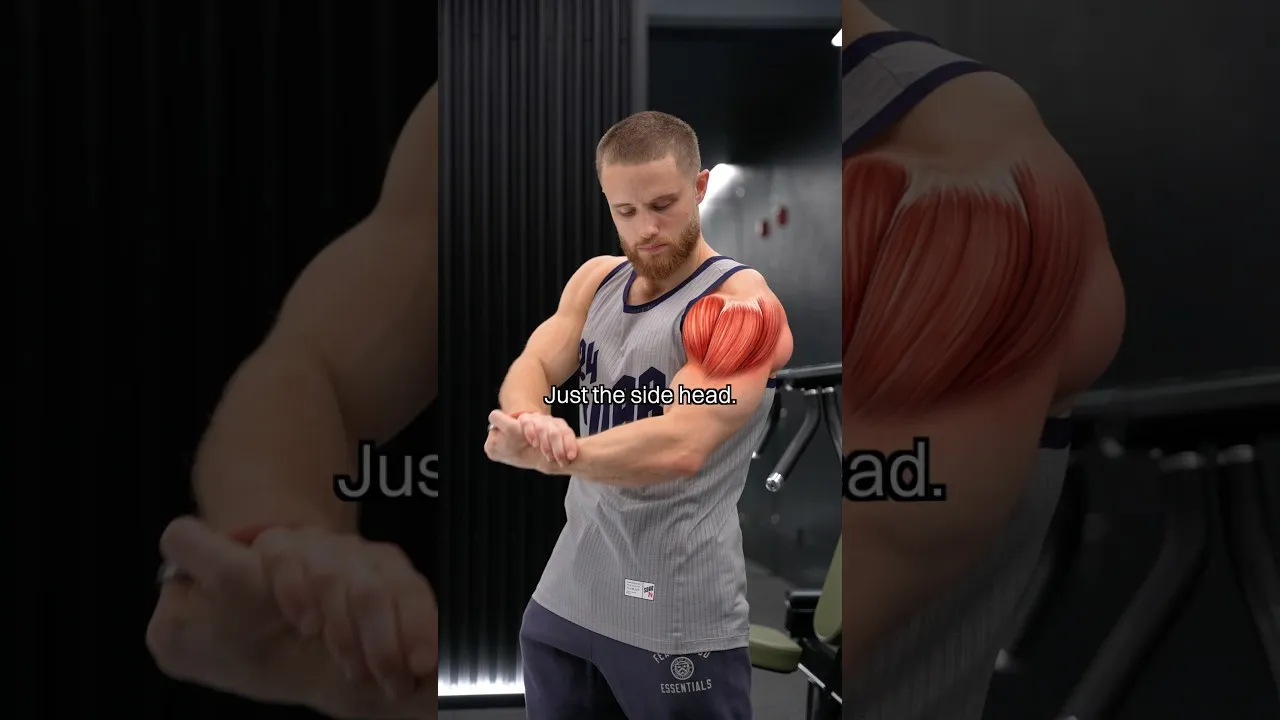
The side deltoid, or medial deltoid, is a crucial muscle for creating shoulder width. It originates from the acromion (part of the shoulder blade) and inserts onto the humerus (upper arm bone). Its primary function is shoulder abduction, which is the movement of the arm away from the midline of the body. Exercises that effectively challenge this abduction motion, while minimizing the involvement of other muscles like the traps or front delts, are considered superior for targeting the side delts.
Top-Tier Exercises for Side Delt Growth
Based on muscle activation, stability, and tension throughout the movement, certain exercises stand out for their effectiveness in targeting the side delts. These are often characterized by consistent tension and a good range of motion, allowing for focused engagement.
High Cable Lateral Raise (S Tier)
The high cable lateral raise is consistently lauded for its ability to provide smooth, even tension on the side delts throughout the entire range of motion. Unlike free-weight exercises where gravity can create a slack period at the bottom, cables maintain constant tension. This stability, combined with the potential for a significant range of motion, makes it an excellent choice for maximizing side delt activation. To perform this exercise effectively, stand with the cable pulley set at a low position. Grasp the handle with the hand farthest from the machine and bring it across your body. Keeping a slight bend in your elbow, raise your arm out to the side, leading with your elbow, until your arm is roughly parallel to the floor. Control the weight as you lower it back down.
Machine Lateral Raise (S Tier)
Machine lateral raises offer a highly stable and controlled environment for working the side delts. This stability can be particularly beneficial for individuals who struggle with form or experience shoulder discomfort during free-weight movements. The machine guides the path of motion, helping to isolate the side delts and reduce the likelihood of other muscles, such as the traps, taking over. The key is to focus on the outward sweeping motion, imagining you are pulling the weight away from your body rather than shrugging it upwards. This mental cue helps ensure proper muscle engagement.
Incline Dumbbell Y Raise (S Tier)
Recently gaining popularity, the incline dumbbell Y raise has impressed many with its effectiveness. Performed on an incline bench, this exercise allows for a unique angle of attack on the side delts, potentially offering a different stimulus compared to traditional lateral raises. The position on the incline bench can help pre-stretch the side delts and provide a strong contraction. The “Y” shape of the arm movement (arms extending forward and upward at an angle) targets the medial deltoid effectively. Lie face down on an incline bench, allowing your arms to hang straight down holding dumbbells. Keeping a slight bend in your elbows, raise your arms in a “Y” pattern, focusing on squeezing your side delts at the top.
Good Options for Side Delt Training
While the S-tier exercises offer exceptional isolation, several other movements can effectively contribute to side delt development, often allowing for greater overall load or offering variations in tension.
Machine Shoulder Press (A Tier)
Although primarily considered a compound exercise for the entire shoulder complex, recent observations suggest that machine shoulder presses can yield significant activation in the side delts, sometimes even surpassing front delt engagement. The stability provided by the machine allows for progressive overload, a critical factor for muscle hypertrophy. This makes it a valuable addition to a shoulder routine, especially when aiming for overall shoulder mass and strength.
Standing Dumbbell Lateral Raise (B Tier)
The classic standing dumbbell lateral raise is a staple in many shoulder routines. While effective, a common critique is the potential for reduced tension at the bottom of the movement, where the deltoids are in a stretched position. This can mean less time under tension during the eccentric (lowering) phase. However, with proper form, focusing on leading with the elbows and controlling the descent, it remains a solid exercise for side delt development.
Upright Row (High B Tier)
The upright row is unique in that it allows for the use of relatively heavier weights compared to other isolation exercises for the side delts. This makes it effective for building overall strength and muscle mass. However, it’s important to note that for many individuals, the trapezius muscles (traps) tend to dominate this movement, potentially reducing the direct stimulus on the side delts. Performing the exercise with a slightly wider grip and focusing on pulling with the elbows can help to bias the side delts more effectively, but awareness of trap involvement is crucial.
Important Considerations and Disclaimer
When incorporating these exercises into your training, remember that individual biomechanics and muscle activation can vary. It’s essential to listen to your body, prioritize proper form over lifting heavy weight, and choose exercises that feel best for your shoulders. If you experience any pain, discontinue the exercise and consult with a healthcare professional.
Disclaimer: This information is for educational purposes only and does not constitute medical advice. Always consult with your doctor or a qualified healthcare provider before beginning any new exercise program or making any changes to your existing routine.
Key Health Takeaways
- Prioritize exercises that provide consistent tension on the side delts, such as high cable lateral raises and machine lateral raises.
- Incorporate exercises like the incline dumbbell Y raise for a different stimulus and potentially enhanced side delt activation.
- While traditional dumbbell lateral raises are effective, focus on maintaining tension throughout the movement, especially during the lowering phase.
- Be mindful of trap involvement during upright rows and adjust your form or consider alternative exercises if necessary.
- Machine shoulder presses can be beneficial for side delt development due to their stability and potential for overload.
- Always prioritize proper form and listen to your body to prevent injury.
- Consult a healthcare professional before starting any new fitness program.
Source: What Is The Best Side Delt Exercise? (YouTube)