Unlock Stronger Glutes for Better Movement and Reduced Pain
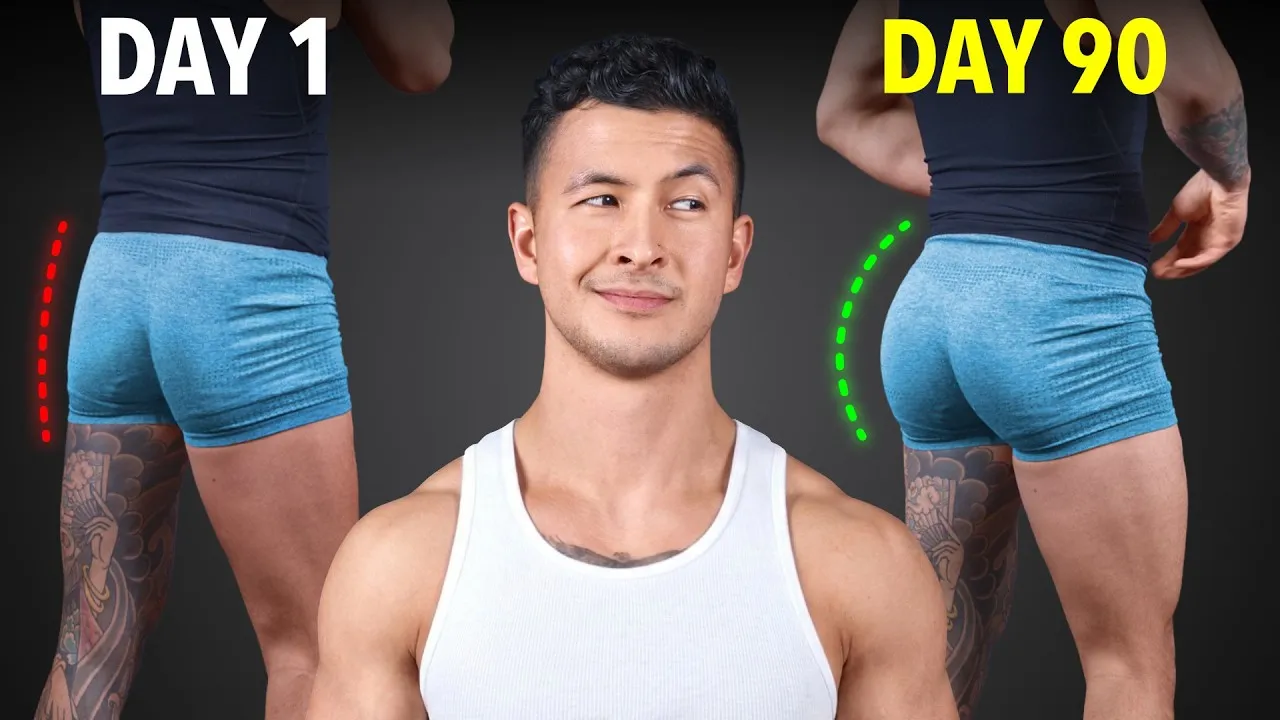
Strong gluteal muscles are crucial for more than just aesthetics; they are fundamental to efficient movement, powerful athletic performance, and can significantly alleviate common issues like back tightness and knee pain. A recent 90-day challenge undertaken by a couple, documented in a YouTube video, highlights how targeted glute training, even with modifications for injuries, can yield impressive results. This article explores the principles behind building stronger glutes, focusing on effective exercises and strategies, particularly for those who may have experienced back pain or find traditional heavy lifting uncomfortable.
Understanding Glute Function and Training Principles
Glutes are the largest muscles in the body and play a vital role in everyday activities, from walking and standing to more explosive movements like jumping. When glutes are weak or inactive, other muscles, including the lower back and hamstrings, often compensate, leading to strain and pain. The approach discussed involves four key movement patterns for comprehensive glute development: lower body pressing, hinging, squeezing, and abduction.
Adapting Exercises for Back Pain and Comfort
For individuals with back sensitivities, like the woman in the video who experienced a severe back injury, traditional heavy barbell squats and deadlifts may be problematic. However, as demonstrated, it is possible to achieve significant glute growth by modifying exercises and focusing on proper form and activation. Certified Strength and Conditioning Specialist (CSCS) and inventor of the hip thrust, Bret Contreras, emphasizes that effective glute training doesn’t always require maximal spinal loading.
Modified Pressing Movements: The Glute-Dominant Box Squat
Instead of traditional squats that can place considerable stress on the spine, a modified box squat with an emphasis on vertical shins and pushing the hips back can effectively target the glutes. This variation allows for greater hip extension and glute stretch with reduced forward knee travel, minimizing spinal load. Starting with bodyweight and gradually progressing to dumbbells allows individuals to gauge their tolerance and increase intensity safely.
Safer Hinging: The Single-Leg Dumbbell Deadlift
The single-leg dumbbell deadlift offers a challenging hinge movement that strongly engages the glutes and hamstrings with significantly less weight than a traditional deadlift. The key to maximizing glute activation and minimizing hamstring dominance is to maintain a slight bend in the knee throughout the movement and focus on pushing the hips back. This exercise can be scaled by adjusting the range of motion and the weight used.
The Power of the Squeeze: Barbell Hip Thrusts
The barbell hip thrust, an exercise popularized by Bret Contreras, is a highly effective movement for direct glute activation. When performing hip thrusts, it’s crucial to avoid hyperextending the spine at the top of the movement. Contreras recommends the “scoop method,” which involves tucking the chin slightly and tilting the pelvis upward by squeezing the glutes. This technique ensures the glutes are doing the work, not the lower back, and promotes better gluteal contraction.
Abduction for Well-Rounded Glutes
Hip abduction exercises, such as seated hip abduction machines or banded side walks, are excellent for targeting the gluteus medius and minimus, contributing to a more rounded glute appearance and improving hip stability. These movements are often considered “penalty-free volume” because they add to the glute hypertrophy stimulus without causing excessive fatigue or soreness, making them a valuable addition to any glute-focused routine.
Beyond Soreness: Understanding Muscle Growth
A common misconception is that muscle growth is directly indicated by post-workout soreness. However, research suggests that while some soreness can occur, it is not a reliable marker of muscle development. In fact, some of the most effective glute exercises, like those recommended by Contreras, may lead to less soreness, allowing for faster recovery and more consistent training frequency. This is particularly beneficial for individuals like the woman in the video, who needed to avoid excessive muscle damage due to her previous back injury.
Hormonal Considerations and Training Frequency
While heavy compound lifts like squats can lead to a temporary spike in testosterone, this effect is short-lived and unlikely to provide a significant long-term hormonal advantage for muscle growth compared to other training methods. More importantly, consistent training and proper nutrition are the primary drivers of muscle hypertrophy. The video also touches on the fact that women may recover faster from lower body training than men, potentially allowing for higher training frequency and volume, as observed in the challenge.
Nutrition and Consistency: Fueling Muscle Growth
Adequate protein intake is essential for muscle repair and growth. A study comparing vegan and omnivorous diets with equivalent protein intake (0.7g per pound of body weight) found similar muscle and strength gains, indicating that the source of protein is less critical than the total amount consumed. This finding suggests that individuals can achieve their fitness goals regardless of dietary preferences, as long as protein needs are met. The challenge also highlighted the importance of sufficient calorie intake for muscle gain, as undereating can stall progress.
The Importance of Mind-Muscle Connection and Fear Management
For individuals returning from injury, such as the woman with a history of back pain, overcoming the fear of re-injury is a significant hurdle. Building confidence requires a strong mind-muscle connection, focusing on controlled movements, and listening to the body. Gradually increasing intensity and volume, while prioritizing exercises that feel safe and effective, is key. When pain or discomfort arises, it’s crucial to modify or rest, as pushing through can lead to setbacks.
Consistency is Key: The 90-Day Transformation
The 90-day challenge demonstrated that consistent effort, even with modified exercises, leads to substantial improvements. Both participants saw measurable increases in glute circumference. The woman, despite her injury history, achieved significant gains by focusing on glute-dominant movements and increasing training volume progressively. The man, while using heavier weights, also saw benefits in athletic performance, such as improved vertical jump, which highlights the functional advantages of strong glutes.
Key Health Takeaways
- Prioritize glute strength for better movement, reduced pain, and improved athletic performance.
- Modify traditional exercises like squats and deadlifts to accommodate back pain or injuries, focusing on glute activation.
- Incorporate a variety of movement patterns: pressing, hinging, squeezing, and abduction exercises.
- Hip thrusts and single-leg deadlifts are effective, lower-spine-load alternatives to heavy barbell lifts.
- Muscle soreness is not a reliable indicator of muscle growth; focus on progressive overload and proper form.
- Ensure adequate protein intake and overall calorie consumption to support muscle hypertrophy.
- Listen to your body, especially if you have a history of injury, and don’t be afraid to modify exercises or take rest days.
- Consistency over time is crucial for achieving significant results.
Disclaimer: This article is for informational purposes only and does not constitute medical advice. Always consult with a qualified healthcare provider or physical therapist before beginning any new exercise program, especially if you have a pre-existing condition or injury.
Source: How to Fix Your Flat Butt (Before It's Too Late) (YouTube)