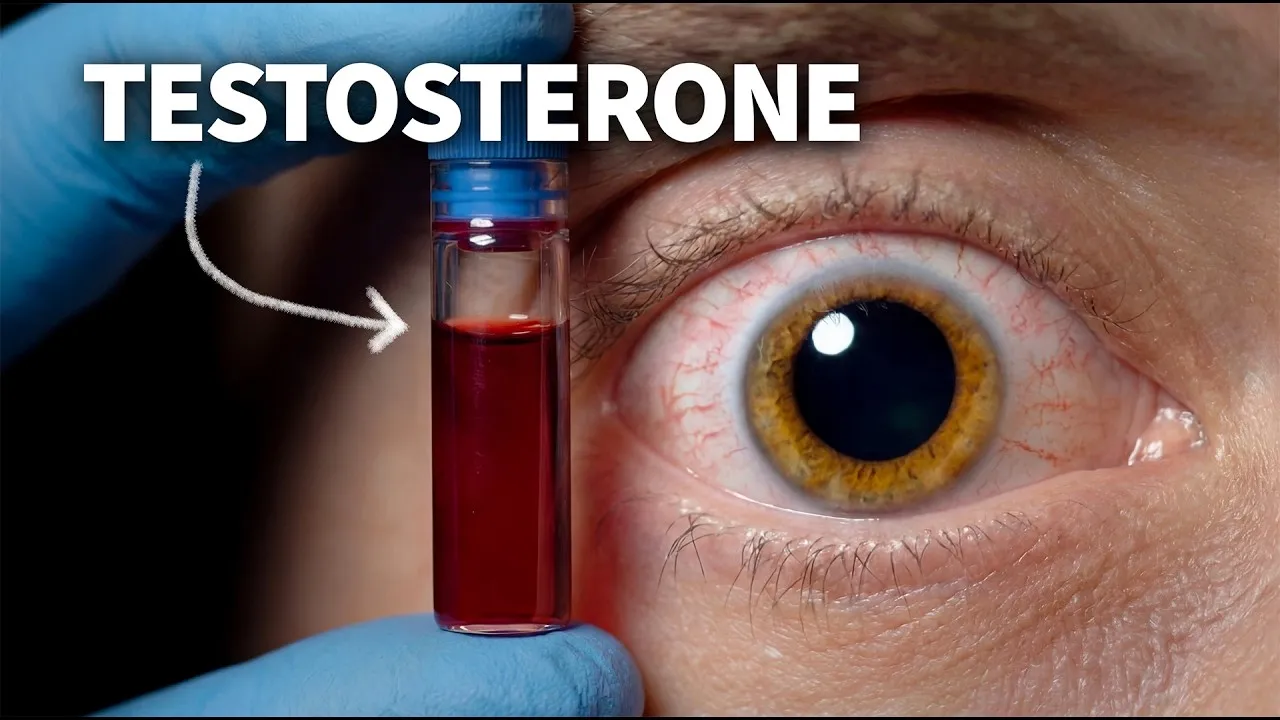
Understanding Testosterone’s Powerful Psychological Impact
Testosterone, often associated with physical prowess, plays a surprisingly significant role in men’s mental and emotional well-being. Beyond building muscle and increasing energy, research suggests that testosterone levels can profoundly influence confidence, motivation, anxiety, and even risk-taking behavior. Understanding this connection could offer new perspectives on men’s psychological health and how to foster a more driven and resilient mindset.
Testosterone and the Drive for Success
The influence of testosterone on motivation and the pursuit of social status is well-documented. Historically, certain cultural rituals, like the ‘Cherro’ whipping contest in Nigeria, served as extreme tests of a man’s ability to endure pain and uphold family honor, requiring immense motivation and resilience. While such practices are extreme, the underlying psychological drivers are still relevant.
Testosterone appears to enhance the motivation needed for achieving social status, attracting mates, and enduring challenging situations. Studies indicate that higher testosterone levels correlate with increased confidence, energy, and improved mood. It may also reduce overthinking, increase persistence, and act as a natural mood booster, potentially lessening feelings of anxiety and procrastination.
The ‘Winner’s Effect’: How Winning Boosts Testosterone
A fascinating aspect of testosterone is its responsiveness to perceived success. Research indicates that winning a competitive task, whether in sports, games, or even seemingly random contests, can significantly elevate testosterone levels. This phenomenon, often called the ‘winner’s effect,’ suggests that the mere belief of having won can trigger a physiological boost.
Studies have shown this effect in various scenarios, including rowing competitions where winners, regardless of their actual performance, experienced a testosterone increase. Even in laboratory settings, men who won video game tasks showed elevated testosterone. This suggests that the psychological perception of victory can directly impact hormone levels, which in turn can influence subsequent behavior.
Testosterone, Anxiety, and Social Confidence
Testosterone’s role in reducing anxiety, particularly social anxiety, is another key finding. For men, higher testosterone levels have been linked to greater extroversion and a reduced hesitation in social interactions. This could be a contributing factor to observations like the statistic suggesting a significant portion of young men have never approached a woman in person for a date, potentially due to social anxiety influenced by lower testosterone.
Research indicates that men with higher testosterone levels may be more inclined to approach others and engage in social situations. This effect is compounded by testosterone’s influence on risk-taking. By reducing fear and anxiety, testosterone can make individuals more willing to take calculated risks, which is essential for personal growth and achieving goals.
The Declining Trend and Its Implications
Alarmingly, studies suggest a concerning trend of declining testosterone levels in men over recent decades. Between 2000 and 2016, testosterone levels in men aged 18-25 reportedly decreased significantly. This decline could have widespread implications for men’s motivation, mood regulation, social engagement, and overall psychological resilience.
While external factors like diet, environmental toxins, poor sleep, and blue light exposure are often discussed as potential causes, the reciprocal relationship between psychology and testosterone is often overlooked. The ‘testosterone momentum effect’ suggests that higher testosterone encourages behaviors that further increase testosterone, creating a positive feedback loop. Conversely, a downward spiral can occur when low testosterone leads to behaviors that further suppress it.
The Psychology-Testosterone Feedback Loop
The intricate link between our mental state and testosterone levels creates a powerful feedback loop. Experiencing wins, achieving goals, and maintaining positive social connections can elevate testosterone. This, in turn, can enhance confidence, reduce anxiety, and increase the motivation to pursue further successes.
Conversely, consistent feelings of loss, lack of appreciation, or prolonged stress can lower testosterone levels. This can lead to increased irritability, anxiety, and a diminished capacity to cope, potentially reinforcing the perception of being a ‘loser’ and further suppressing testosterone. This cycle highlights the importance of cultivating a mindset that supports healthy hormone levels.
Harnessing Testosterone Naturally
While testosterone replacement therapy (TRT) is an option for some individuals under medical supervision, many can naturally support their testosterone levels through lifestyle and psychological strategies. The key is to foster behaviors and environments that promote a sense of accomplishment and well-being.
Key Lifestyle Strategies:
- Optimize Sleep: Quality sleep is fundamental for hormone regulation.
- Prioritize Exercise: Regular strength training, particularly weightlifting and exercises like squats, along with high-intensity interval training (HIIT) and sprints, can boost testosterone.
- Manage Weight: Maintaining a healthy body weight is crucial for optimal hormone balance.
- Mindset Matters: Cultivate a positive outlook, focus on achievements, and set exciting goals. Avoid dwelling on negativity or engaging in excessive pessimistic content.
- Social Connection: Engaging with others and participating in group activities can be beneficial for men’s psychological and hormonal health.
- Nutrition and Hydration: A balanced diet and adequate hydration, including electrolytes, are important for overall health and hormone production.
The Role of Psychology and Perception
The placebo effect offers a compelling illustration of how our beliefs and perceptions can influence our physical state. Similarly, the belief that one is a ‘winner’ can trigger a testosterone boost, while constant feelings of defeat can suppress it. This underscores the power of our mindset in shaping our hormonal landscape.
Focusing on psychological well-being, fostering a sense of accomplishment, and engaging in activities that promote confidence and resilience can naturally support healthy testosterone levels. While addressing trauma or seeking therapy can be beneficial, optimizing hormones through lifestyle changes may offer a more direct and rapid path to improved mental and emotional health for some individuals.
Important Considerations
It’s crucial to remember that testosterone is just one factor influencing overall health and well-being. Androgen sensitivity, free testosterone levels, and other hormones like cortisol and estrogen also play significant roles. Consulting with a healthcare professional is essential for personalized advice and to rule out any underlying medical conditions.
This article is for informational purposes only and does not constitute medical advice. Always consult with a qualified healthcare provider before making any decisions about your health or treatment.
Source: Men don't need more therapy. They need more testosterone (YouTube)