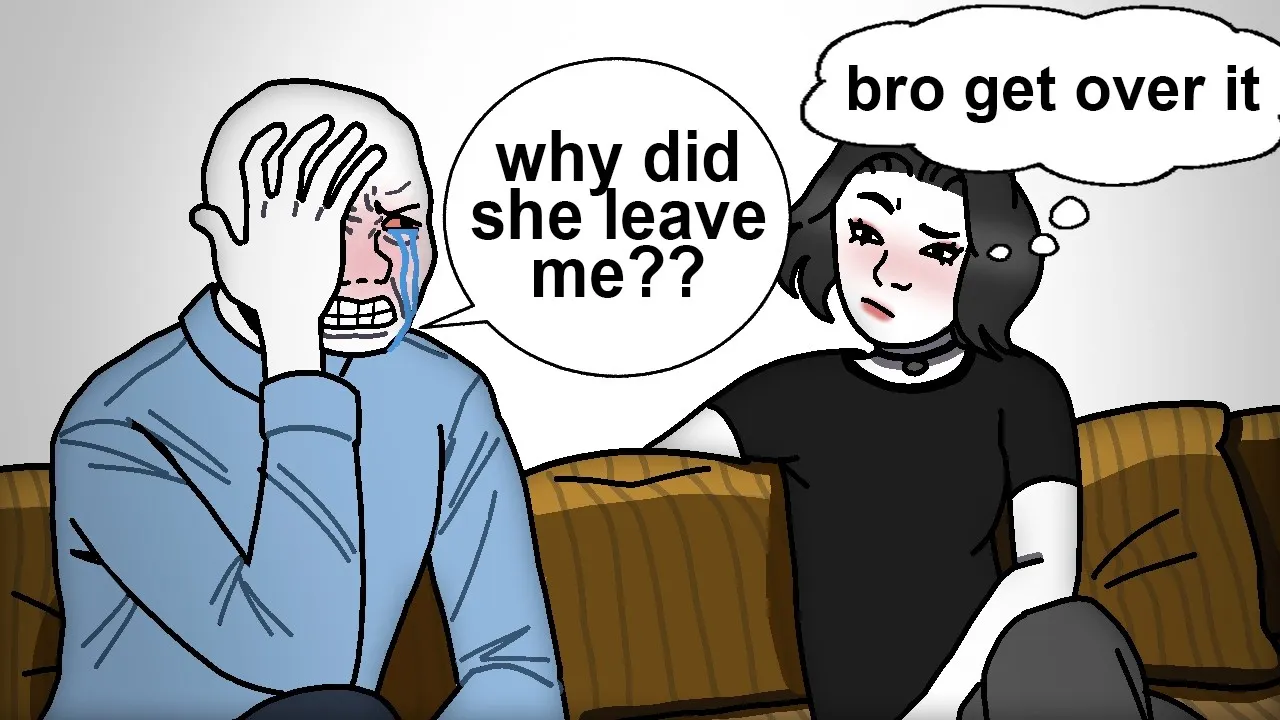
Trauma’s Lingering Shadow: When Suffering Becomes Identity
For many, the aftermath of trauma can lead to a complex psychological process where suffering becomes deeply intertwined with one’s sense of self. This can manifest as an ‘interpersonal victimhood,’ a personality construct where individuals perceive themselves as victims across various life situations. While initially a coping mechanism, this can hinder personal growth and damage relationships.
The Science of Suffering and Identity
Research suggests that focusing excessively on negative experiences, a process known as rumination, can actually intensify those negative feelings. A fascinating, albeit counterintuitive, observation from medical settings highlights this: the more frequently a patient is asked about their pain, the more pain they report feeling. This principle extends to broader life experiences; the more time and mental energy spent dwelling on hardships, the more potent their negative impact becomes.
This phenomenon is particularly evident in the context of trauma. While many individuals can process traumatic events and move forward, for some, the struggle becomes a core part of their identity. This is not necessarily a conscious choice but a natural, though potentially maladaptive, human mechanism. As one tweet succinctly puts it, “When a struggle becomes part of your identity, overcoming it feels like a betrayal of who you are.” This sentiment is echoed in scientific literature exploring identity construction after trauma.
Trauma and the Shifting Self
Traumatic experiences can fundamentally shake a person’s sense of identity. The person who existed before the trauma may feel lost, leading to a need to reconstruct a new sense of self. Studies, such as those examining peer support in trauma recovery, show that shared experiences and narratives can help individuals co-construct a new identity. This process can be healthy and adaptive, allowing individuals to integrate their experiences and move forward.
However, the danger lies in the narrative that emerges. If the reconstructed identity centers on being ‘the one who was traumatized’ or ‘the one who has been wronged,’ it can solidify into a negative self-perception. Phrases like “I am destined to be alone because I didn’t date in college” or “I am a loser because of past failures” exemplify how negative experiences can cement into a fixed, negative identity.
The ‘Tendency for Interpersonal Victimhood’ (TIV)
Research conceptualizes this pattern as the ‘Tendency for Interpersonal Victimhood’ (TIV). This is defined as an enduring feeling of being a victim that permeates various interpersonal relationships. Studies suggest that TIV is a stable and meaningful personality tendency, highlighting the importance of understanding and empirically testing it.
When victimhood becomes an identity, it creates a persistent lens through which individuals view the world. This can lead to individuals consistently seeing themselves as the victim in interactions, regardless of the situation. A significant challenge arises because once this maladaptive identity is formed, it becomes exceedingly difficult to let go of. Overcoming the struggle feels like a rejection of who they have come to define themselves as.
When Suffering Explains Everything: Dysthymia and Identity
The concept of dysthymia, a persistent depressive state often less severe than major depressive disorder but enduring for years, illustrates this point. Individuals with dysthymia may attribute many of their life’s difficulties—career setbacks, relationship failures, health issues—to their persistent low mood. While depression is a real contributing factor to these challenges, when it becomes the sole explanation, it can prevent individuals from taking personal responsibility and seeking alternative solutions.
The difficulty lies in the psychological shield this identity provides. If failures are consistently attributed to an external or deeply ingrained internal factor like depression, it can shield individuals from the painful realization that they may have agency and responsibility in their outcomes. The hard work then becomes disentangling the impact of the condition from personal choices and behaviors, a process that requires significant self-reflection and often professional guidance.
The Hero-Victim Complex: A Double-Edged Sword
Interestingly, research on rural Chinese elders who experienced significant hardship revealed a complex interplay between victimhood and heroism. In many psychological frameworks, being a victim—someone to whom something bad happened that was not their fault—can paradoxically open the door to being a hero. For instance, a cancer diagnosis (victimhood) can lead to becoming a cancer survivor (heroism).
This can become psychologically tricky. If heroism is solely rooted in victimhood, individuals may unconsciously perpetuate their victim status to maintain their heroic identity. This is colloquially known as a ‘martyr complex,’ where suffering is tied to a heroic narrative. The individual may derive their sense of self-worth not from accomplishments, but from resilience in the face of adversity. This can lead to a cycle where individuals seek out victimizing situations to reaffirm their heroic status.
This ‘victim-hero’ complex can manifest in various settings, including the workplace. Instead of focusing on performance, an individual might adopt a victim narrative to garner sympathy or attention, reinforcing their ‘hero’ status as someone who perseveres despite their struggles. This insidious cycle underscores why a personality construct of victimhood can be so pervasive.
Moving Beyond the Victim Identity
Breaking free from an identity rooted in suffering requires a conscious shift towards personal responsibility. While acknowledging the reality of past hardships and their impact is crucial, the focus must eventually turn to agency and the potential for change.
The path forward involves:
- Acknowledging Personal Responsibility: This is often the most painful step, as it means recognizing that not all life’s difficulties are solely due to external factors or past traumas. However, it is also the most empowering, as it opens the door to taking action.
- Constructing a Positive Identity: Instead of deriving self-esteem from being a survivor of hardship, focus on building an identity based on actual accomplishments, strengths, and positive choices.
- Empowerment Through Action: By exercising control, making sound decisions, and engaging in behaviors one can be proud of, individuals can build genuine self-esteem and reshape their narrative.
Therapeutic approaches, as outlined in resources like Dr. K’s Guide to Trauma, often focus on rewiring physiology, changing thought patterns, and ultimately constructing a healthy identity. This involves understanding which aspects of one’s life are due to external circumstances and which are influenced by personal choices, thereby empowering individuals to change their lives rather than remaining defined by past victimhood.
This article is for informational purposes only and does not constitute medical advice. Always consult with a qualified healthcare provider for any health concerns or before making any decisions related to your health or treatment.
Source: How Trauma Messes Up Your Relationships (YouTube)