Breast Implants Linked to Illness: What You Need to Know
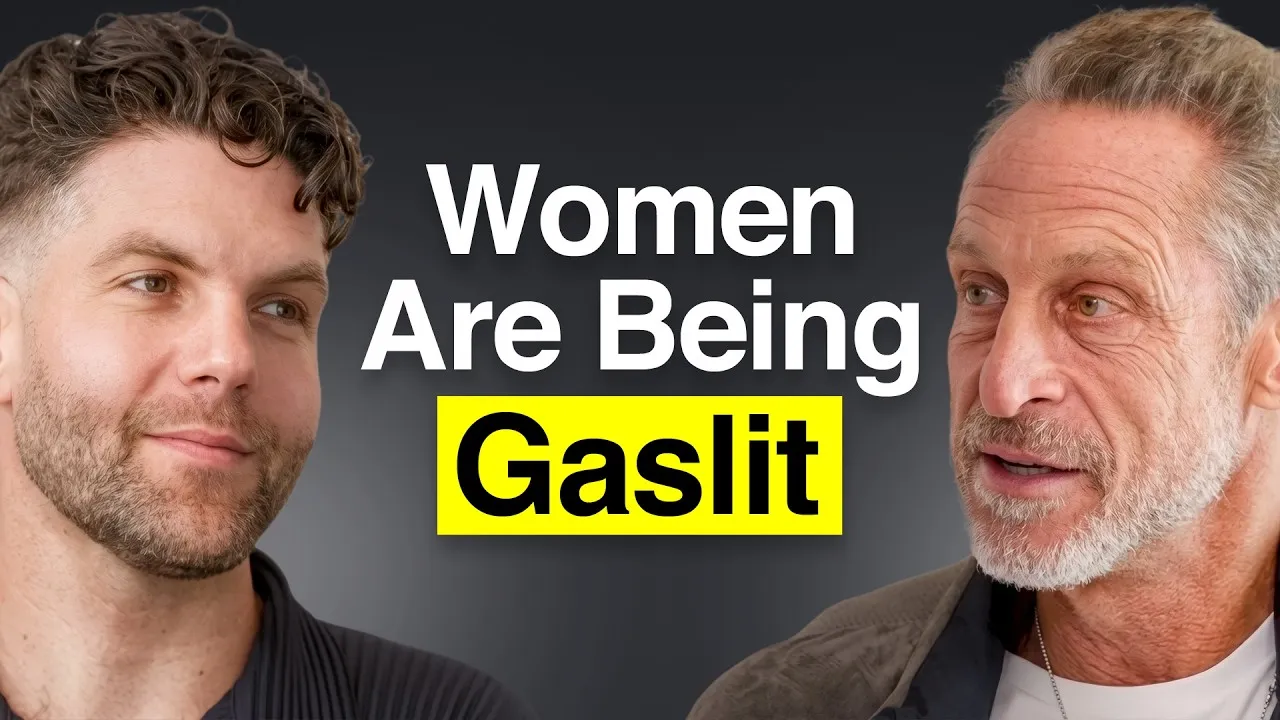
Many women who have breast implants are experiencing serious health problems, often referred to as Breast Implant Illness (BII). These issues can include fatigue, joint pain, hair loss, and even autoimmune diseases. Dr. Jonathan Kpki, a board-certified plastic surgeon and data scientist, is a leading voice highlighting the connection between breast implants and these health concerns. He argues that the medical community has historically downplayed these risks, a phenomenon known as “gaslighting,” by suggesting symptoms are psychological rather than physical.
Understanding Breast Implant Illness (BII)
Breast Implant Illness is not a single, defined diagnosis but rather a collection of symptoms that can arise in individuals with breast implants. These symptoms are often vague and can mimic autoimmune disorders. They can include:
- Fatigue
- Joint and muscle pain
- Brain fog and cognitive issues
- Hair loss
- Skin rashes
- Anxiety and depression
- Dry eyes or mouth
The silicone used in breast implants is a petroleum-based product. When a foreign object is placed in the body, it can trigger an immune response. Dr. Kpki emphasizes that the body naturally encapsulates foreign objects with scar tissue, forming a capsule around the implant. In some cases, this capsule can contract, leading to pain and discomfort, a condition known as capsular contracture. More concerning are the systemic effects, where the implant itself or its components may trigger a broader inflammatory or autoimmune reaction.
The Risks Associated with Breast Implants
While cosmetic surgery is often seen as low-risk, breast implants carry potential complications that can significantly impact a woman’s health. Research and clinical experience suggest that a substantial percentage of women with implants may experience issues. Dr. Kpki estimates that up to 30% of women may face complications, which can include:
- Capsular Contracture: Scar tissue tightening around the implant, causing hardness and pain.
- Breast Implant Illness (BII): A constellation of systemic symptoms like fatigue, joint pain, and cognitive issues.
- Anaplastic Large Cell Lymphoma (ALCL): A rare but serious immune system cancer associated with breast implants, particularly textured ones.
The silicone in implants is a polymer derived from petroleum. These petrochemicals are known to have various health effects, including acting as endocrine disruptors, potentially causing autoimmunity, and contributing to other health problems. While the exact mechanism by which implants trigger BII is still being researched, it is believed to involve chronic inflammation and immune system activation.
The “Gaslighting” in Healthcare
For years, the medical community, particularly within plastic surgery, has often dismissed women’s concerns about implant-related illnesses. Symptoms were frequently attributed to psychological factors, with patients advised to seek psychiatric help or take antidepressants. This dismissal, known as “gaslighting,” has left many women feeling invalidated and without proper medical care. Dr. Kpki advocates for a more patient-centered approach, acknowledging that these symptoms are real and warrant thorough investigation.
Explanting: Removing Breast Implants
For women experiencing symptoms they believe are linked to their breast implants, explanting – the surgical removal of the implants – is often the recommended course of action. Many women report significant improvement or complete resolution of their symptoms after explantation. Dr. Kpki’s experience shows that the majority of women do get better after removing their implants.
The process of explanting can be complex. It often involves removing not just the implant but also the surrounding scar tissue capsule. This procedure, known as an “en bloc” capsulectomy, aims to remove the entire foreign body response. While removing the capsule can improve outcomes, the primary goal is to remove the implant itself, which is the source of the chronic inflammatory reaction.
Studies on explantation show promising results, with 50-80% of women experiencing symptom improvement. The journey to explantation can be long, sometimes taking years from the initial concern to the actual surgery. This is due not only to the surgical process but also the psychological adjustment of reclaiming one’s body image after altering it for aesthetic reasons.
Safer Alternatives: Fat Grafting
For women seeking breast augmentation or reconstruction, Dr. Kpki champions safer, natural alternatives like fat grafting. This procedure involves harvesting a patient’s own fat from one area of the body (like the abdomen or thighs) through liposuction, processing it, and then reinjecting it into the breasts.
Fat grafting has a long history, with early attempts dating back to the late 1800s. Modern techniques have significantly improved its safety and effectiveness. When fat is transferred, a portion of it survives by developing new blood vessels, similar to how stem cells grow. Dr. Kpki uses advanced techniques, including micro-droplet injections and potentially adjunctive therapies, to maximize fat graft survival and achieve natural-looking results.
Fat grafting offers several advantages:
- Uses the patient’s own tissue, eliminating the risk of foreign body reactions.
- Can address concerns about excess fat in other areas of the body.
- Provides a natural feel and appearance to the breasts.
- Can be used for both cosmetic augmentation and breast reconstruction after cancer surgery.
Dr. Kpki refers to his approach as “surgery as ceremony,” emphasizing a mindful and holistic process that considers the patient’s overall well-being beyond just the physical procedure.
Key Health Takeaways
- Breast implants, both silicone and saline, have been linked to a range of health issues collectively known as Breast Implant Illness (BII).
- Symptoms of BII can be diverse and include fatigue, joint pain, brain fog, and autoimmune-like conditions.
- The medical community has historically underestimated or dismissed these symptoms, a practice known as “gaslighting.”
- Explantation (surgical removal of implants) often leads to significant symptom improvement for many women.
- Fat grafting, using a patient’s own fat, is presented as a safer alternative for breast augmentation and reconstruction.
- If you have breast implants and are experiencing concerning symptoms, consult with a healthcare provider knowledgeable about BII and explantation.
Disclaimer
This article is for informational purposes only and does not constitute medical advice. Always consult with a qualified healthcare professional before making any decisions about your health or treatment. If you have breast implants and are experiencing health concerns, discuss them with your doctor.
Source: Breast Implants Are Making Women Sick—Here's What's Happening (YouTube)