Breeze to Fire: A New Path to Early Retirement
The dream of escaping the daily grind is a powerful motivator, especially for those dissatisfied with their current employment. A burgeoning financial philosophy, dubbed “Breeze to Fire,” offers a nuanced approach to early retirement, blending the desire for financial independence with the practicality of continued income generation.
Understanding the Core Concept
“Breeze to Fire” builds upon established early retirement strategies like FIRE (Financial Independence, Retire Early) and its variations. The core idea is to transition away from a traditional, full-time job by leveraging investment income, but unlike complete early retirement where all living expenses are covered by passive income, Breeze to Fire acknowledges the need to supplement this with some form of ongoing earnings. This approach aims to make the prospect of quitting one’s day job more attainable and less financially daunting.
Distinguishing Breeze to Fire from Coast Fire
While sharing similarities with “Coast Fire,” Breeze to Fire presents a distinct strategy. Coast Fire typically involves accumulating enough invested capital so that it can grow, untouched, to cover retirement expenses by traditional retirement age. The individual then takes on part-time or lower-paying work to cover their immediate living costs. Breeze to Fire, however, seems to imply a more active role in generating income even after transitioning from the primary day job. The emphasis is on partially living off investments while actively creating a secondary income stream to offset living costs during this transitional retirement phase.
The Psychology of Dissatisfaction
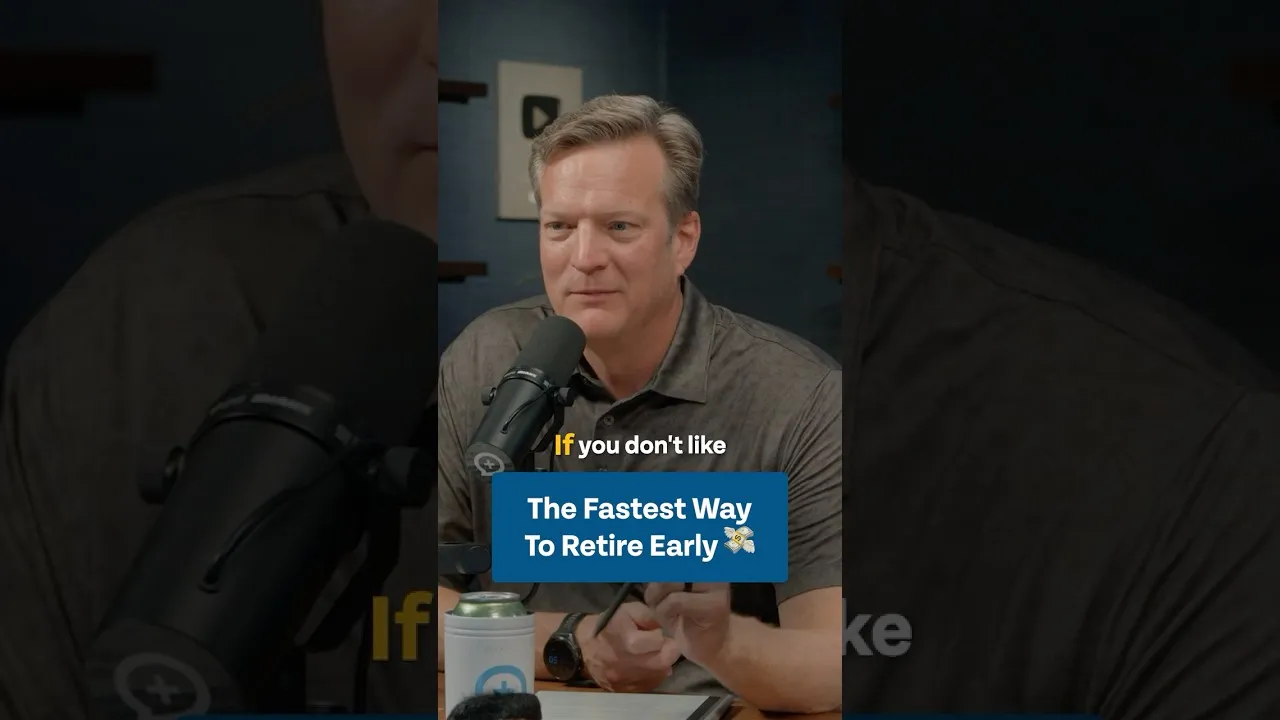
The transcript highlights the strong emotional impetus behind such a movement. The daily struggle of waking up to an unfulfilling job fuels the desire for change. “If you don’t like your current day job, I can imagine that this is one that just starts growing from a small idea to a bigger and bigger idea because every day you wake up and that alarm clock goes off like, I got to do something to get out of here,” the original commentary suggests. This emotional driver is a critical component of the motivation required to pursue alternative retirement paths.
Practical Implications for Investors
Breeze to Fire suggests a phased approach to retirement. Instead of an abrupt cessation of work, it advocates for a gradual transition. This could involve:
- Reducing Work Hours: Shifting from full-time to part-time employment in a similar or different field.
- Pursuing Passion Projects: Monetizing hobbies or skills that were previously neglected due to the demands of a primary job.
- Entrepreneurship: Starting a small business or freelance venture that offers flexibility and income potential.
The key is to ensure that the income generated, combined with investment returns, is sufficient to cover living expenses. This requires careful financial planning, including budgeting, investment analysis, and realistic income projections.
What Investors Should Know
The Breeze to Fire philosophy underscores the importance of adaptability in retirement planning. It recognizes that not everyone can or wants to achieve full financial independence to the point of complete work cessation. For investors, this means:
- Diversified Income Streams: Relying on a mix of investment income and earned income can provide a more resilient financial cushion.
- Strategic Investment Allocation: Investments should be managed to provide a steady income stream while also aiming for capital appreciation. This might involve a blend of dividend-paying stocks, bonds, and potentially real estate.
- Skill Development: Investing in skills that can generate income in the “gig economy” or through freelance work becomes increasingly valuable.
- Long-Term Financial Health: While pursuing early retirement, it remains crucial to maintain a focus on long-term financial health, including emergency funds and contingency planning for unexpected expenses.
The Long-Term Outlook
The Breeze to Fire model offers a flexible and potentially more sustainable path to a fulfilling post-career life. By acknowledging the need for continued engagement and income, it democratizes the idea of early retirement, making it accessible to a broader range of individuals. As the nature of work continues to evolve, strategies like Breeze to Fire are likely to gain traction, offering a practical alternative to the traditional retirement timeline.
Source: Want to Quit Your Job? Watch This First (YouTube)