Build a Powerful Chest with Just Two Essential Exercises
Struggling to achieve a well-developed chest? You might be surprised to learn that significant gains can be made with a focused approach, relying on just two fundamental exercises. The key lies in understanding and targeting the primary functions of your pectoral muscles: pressing and adduction. By selecting the right variations of these movements and tailoring them to your specific needs, you can effectively sculpt a more muscular and defined chest.
Understanding Chest Muscle Function
Your pectoral muscles, commonly known as the pecs, are responsible for two main actions:
- Pressing: This involves pushing your arms away from your body, as seen in exercises like the bench press.
- Adduction: This is the movement of bringing your arm across your body, like in a chest fly motion.
Many individuals find that their upper chest development lags behind the rest of their pectoral muscles. This is a common observation and often stems from exercise selection and technique rather than genetics.
Exercise 1: The Pressing Movement (Dumbbell Bench Press)
The dumbbell bench press is a cornerstone exercise for building chest mass and strength, effectively addressing the pressing function of the pecs. However, to maximize its benefits and target specific areas, consider these variations:
- For Upper Chest Development: If your upper chest is your weakest area, prioritize incline variations. For every four sets of bench pressing you perform, aim to complete at least three of those sets on an incline bench. This angle places greater emphasis on the clavicular head of the pectoralis major, which forms the upper chest.
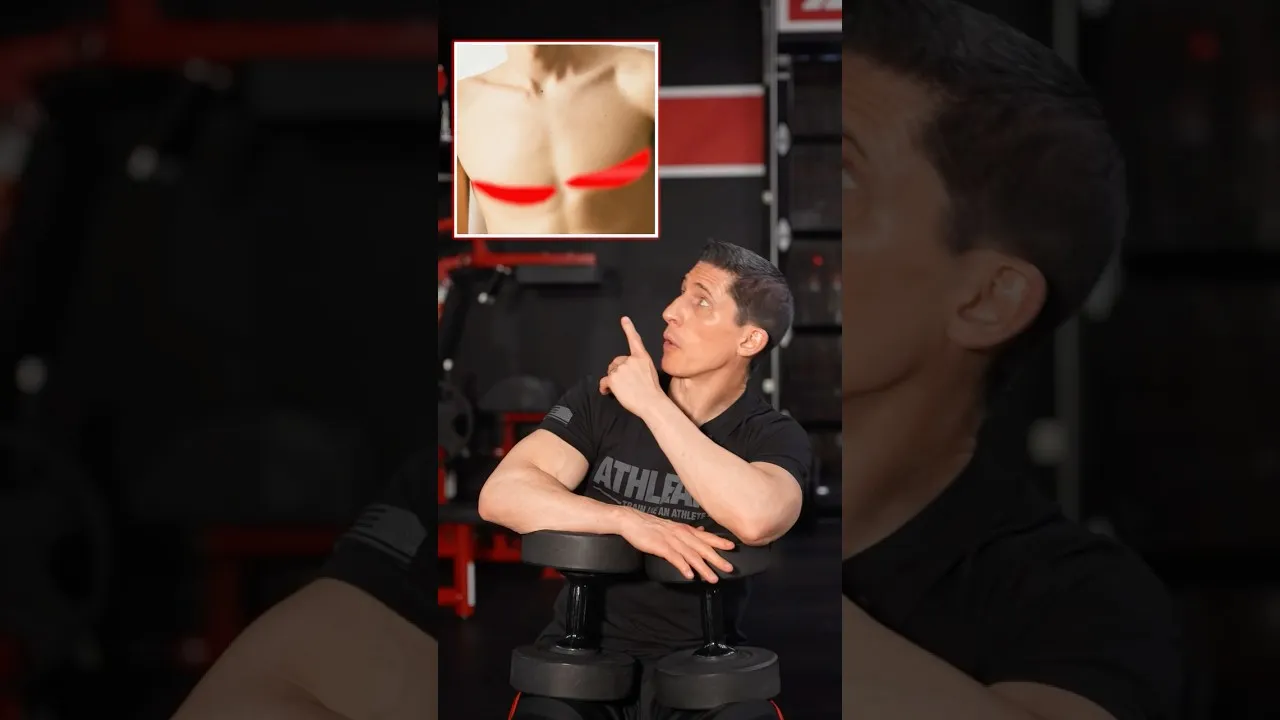
- For Lower Chest Development: If you’re looking to develop the lower portion of your chest, particularly if you desire a more pronounced lower pec line or overhang, incorporate decline bench presses. Adjust the majority of your sets to target this area.
- For Overall Chest Development: The traditional flat bench press provides a balanced stimulus to the entire chest. While effective for overall growth, it may not sufficiently target the upper chest unless modified.
- For Enhanced Upper Chest Activation: To further engage the upper chest fibers with a pressing movement, consider using a reverse or underhand grip on a flat bench press. This grip change can alter the muscle activation patterns, placing more emphasis on the upper pecs.
Using dumbbells offers an advantage over barbells as they allow for a greater range of motion and can help identify and correct muscular imbalances between the left and right sides of your body.
Exercise 2: The Adduction Movement (Cable Crossover)
The cable crossover is unparalleled for targeting the adduction function of the chest, effectively bringing the arms together across the body. This movement is crucial for achieving that full, rounded chest appearance. Similar to the pressing movement, cable crossovers can be adjusted to target different areas of the pectoral muscles:
- Standard Cable Crossover: Performing crossovers from a mid-pulley height offers a balanced stimulus to the entire pectoral complex, promoting overall chest development.
- High-to-Low Cable Crossover: Setting the pulleys high and bringing the cables down and across your body targets the lower pectoral fibers more effectively. This variation can help create definition in the lower chest area.
- Low-to-High Cable Crossover: By setting the pulleys low and bringing the cables up and across your body, you can better target the upper pectoral fibers. This movement helps to enhance the development of the upper chest, complementing the incline press.
The constant tension provided by cables ensures that your pectoral muscles are engaged throughout the entire range of motion, making it a highly effective exercise for muscle hypertrophy.
Tailoring Your Routine
The effectiveness of any exercise program hinges on its personalization. The concept presented suggests that a flat chest is often a result of suboptimal exercise selection rather than an unchangeable genetic limitation. By focusing on one primary pressing movement and one primary adduction movement, and critically, by choosing the angles and variations that best address your individual areas of weakness, you can optimize your chest training.
For instance, if your upper chest is noticeably underdeveloped, your routine might consist primarily of incline dumbbell presses and low-to-high cable crossovers. Conversely, if your lower chest requires more attention, you might favor decline presses and high-to-low cable crossovers, supplemented by flat bench presses and standard crossovers for overall development.
Who Can Benefit?
This approach to chest training is suitable for a wide range of individuals, including:
- Beginners looking for an efficient and effective way to start building chest muscle.
- Intermediate and advanced lifters seeking to overcome plateaus or specifically target lagging muscle groups within the chest.
- Individuals who may have limited equipment or time, as this focused two-exercise approach maximizes efficiency.
Consistency and proper form are paramount. Ensure you are using a weight that challenges you while maintaining good technique to prevent injury and maximize muscle stimulation.
Key Health Takeaways
- Focus on two primary chest functions: pressing and adduction.
- Incorporate dumbbell bench press variations (incline, flat, decline) to target different chest areas.
- Utilize cable crossovers with adjustable pulley heights (high-to-low, low-to-high, standard) to further refine muscle targeting.
- Identify your weakest chest area (e.g., upper chest) and prioritize exercises and variations that address it.
- Consistency and proper form are crucial for achieving optimal results and preventing injury.
Disclaimer
This article is for informational purposes only and does not constitute medical advice. Always consult with a qualified healthcare provider or certified personal trainer before beginning any new exercise program, especially if you have any pre-existing health conditions. They can help you tailor an exercise plan that is safe and effective for your individual needs and goals.
Source: The ONLY 2 Exercises You Need for a Chiseled Chest (YouTube)