Build a Stronger Six-Pack with Just Two Exercises
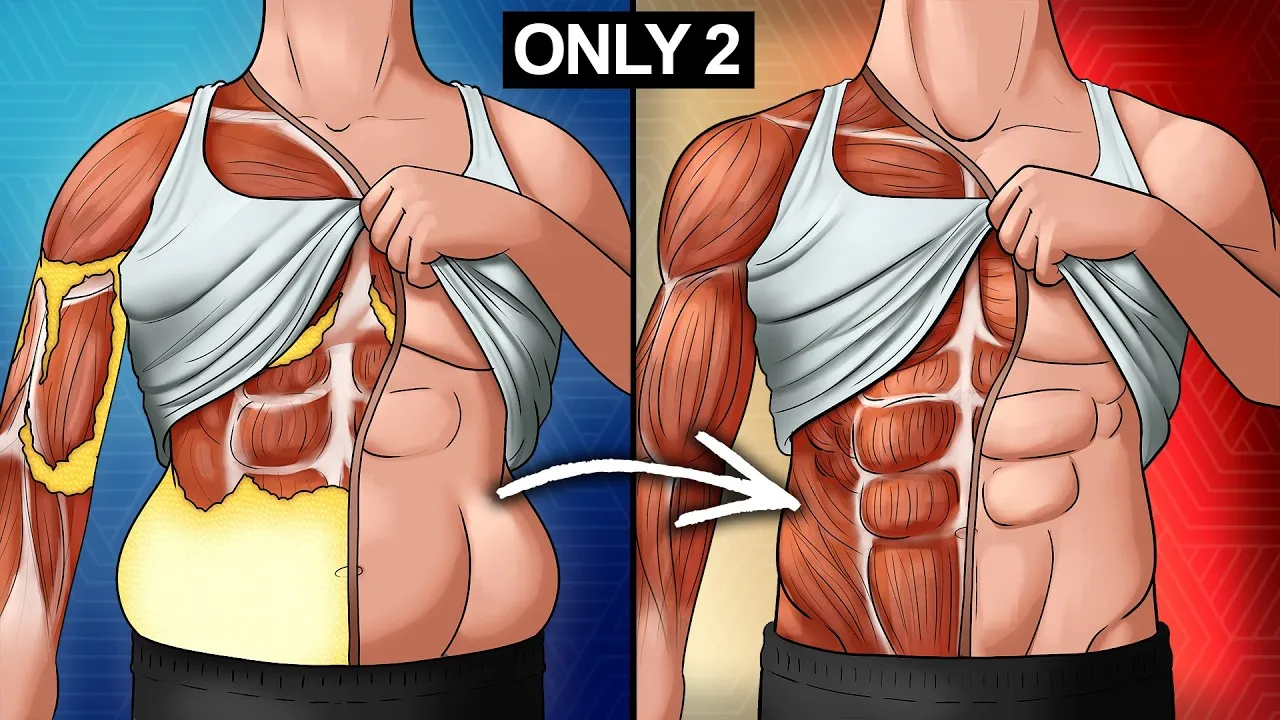
Achieving a defined six-pack is a highly sought-after fitness goal. While many quick fixes and complex routines promise rapid results, true abdominal development often hinges on a more focused and progressive approach. This article explores two fundamental exercises and essential dietary strategies that can effectively build your rectus abdominis, the primary muscle group responsible for the ‘six-pack’ appearance.
The Importance of Progressive Overload for Abs
Many individuals make the mistake of training their abdominal muscles differently than other major muscle groups. While shoulders, legs, and chest muscles are typically trained with progressive overload—gradually increasing weight or resistance over time—ab training often relies on high repetitions with no weight or static exercises like planks. However, to effectively build the rectus abdominis, it’s crucial to treat it like any other muscle group, focusing on exercises that allow for a full range of motion and incorporating progressive overload with challenging weights.
Exercise 1: Decline Sit-Ups
The decline sit-up is presented as a cornerstone exercise for rectus abdominis development. This exercise allows for a significant range of motion and can be progressively loaded to challenge the muscles.
How to Perform Decline Sit-Ups:
- Set a decline bench to its highest angle.
- Grasp a dumbbell and position yourself at the top of the bench. For added intensity, hold the dumbbell behind your head.
- Lower your upper back towards the bench in a controlled manner, engaging your abdominal muscles.
- Once your upper back makes contact with the bench, contract your abs to sit back up. Stop just before reaching a fully upright position and immediately begin the next repetition.
Progression for Decline Sit-Ups:
- Beginner Stage: Focus on performing regular decline sit-ups at the highest possible incline. Aim to increase the incline each session until you can comfortably complete 8-10 repetitions.
- Adding Weight (Chest Level): Once at the highest incline, begin with a light dumbbell (5-10 lbs) held in front of your chest. Achieve 8-10 repetitions before increasing the weight.
- Adding Weight (Behind Head): Progress to holding the dumbbell behind your head. Continue to increase the weight load progressively as you can complete 8-10 repetitions with good form.
Exercise 2: Weighted Leg Raises with Pulse-Ups
This exercise targets the lower portion of the rectus abdominis and can be performed on the floor or a decline bench. It involves raising your legs and adding a pulse-up motion to increase intensity.
How to Perform Weighted Leg Raises with Pulse-Ups:
- Lie flat on your back.
- Place a light dumbbell (5-20 lbs) between your feet.
- Grab a sturdy object or heavy dumbbells above your head for stability.
- Engage your core and lift your feet, holding the dumbbell, towards the ceiling.
- At the top of the movement, perform a pulse-up by lifting your hips slightly towards the ceiling.
- Slowly lower your hips back down, then lower your feet towards the floor, stopping just before they touch. Repeat for repetitions.
Progression for Weighted Leg Raises:
- Beginner Stage: Practice regular leg raises with pulse-ups while lying flat on the ground without weight. Aim for 10 repetitions.
- Adding Weight: Once comfortable, begin adding weight between your feet.
- Progressive Overload: Gradually increase the weight load over time as you can consistently perform 8-10 repetitions.
Workout Structure and Frequency
To develop the rectus abdominis effectively, aim for four sets of each exercise, performed twice a week. These workouts can be incorporated at the end of your existing leg or arm training sessions. Focus on using the heaviest weight load that allows you to maintain good form for 8-10 repetitions.
The Crucial Role of Body Fat
While strong abdominal muscles are essential, they will not be visible if covered by a layer of body fat. Achieving a visible six-pack requires both targeted abdominal training and a controlled body fat percentage. The exercises described help build the underlying muscle, but a disciplined diet is necessary to reveal it.
Dietary Strategies for Fat Loss
Reducing body fat is paramount for revealing abdominal definition. The following dietary tips can support fat loss:
- Limit Sugary Foods: Reduce intake of high-sugar items like cookies and ice cream. Opt for natural sugars from fruits, which can help manage cravings and insulin sensitivity.
- Shop the Perimeter: Focus on fresh produce, lean proteins, and dairy found on the outer aisles of the grocery store. Avoid processed foods in the inner aisles, which are often calorie-dense and high in sugar.
- Prioritize Single-Ingredient Foods: These foods are typically lower in calorie density, promoting satiety and requiring more energy to digest.
- Beware of “Healthy” Marketing: Be cautious of smoothies, juices, and kombucha, which can contain hidden sugars. Make your own versions with whole fruits and vegetables.
- Increase Water Intake: Drinking water can help you avoid high-calorie beverages and maintain hydration, supporting overall fat loss.
- Boost Protein Intake: Protein promotes satiety, reduces hunger, and requires more energy to digest. Aim for approximately 0.7 to 1 gram of protein per pound of body weight.
- Moderate Alcohol Consumption: High-calorie alcoholic beverages can interfere with fat metabolism and add significant calories. Opt for low-calorie spirits with calorie-free mixers if consuming alcohol.
- Incorporate Soluble Fiber: Foods rich in soluble fiber, like oats and avocados, slow digestion, keeping you fuller for longer and aiding in calorie deficit maintenance.
Consistency and Lifestyle Factors
Long-term success relies on consistency and sustainable habits. Make healthy meals enjoyable by using seasonings and spices. Occasional, well-planned cheat meals can prevent feelings of deprivation. Additionally, consider strategies like intermittent fasting or structured meal timing that best suit your lifestyle to maintain a calorie deficit. Finally, prioritize adequate sleep (6-7 hours per night), as it is crucial for muscle recovery, hormone regulation, and fat loss.
Disclaimer
This article provides information based on general fitness principles and expert insights. It is not a substitute for professional medical advice. Always consult with your doctor or a qualified healthcare provider before beginning any new exercise program or making significant changes to your diet, especially if you have any underlying health conditions.
Source: Only 2 Exercises that Built My Six-Pack (YouTube)