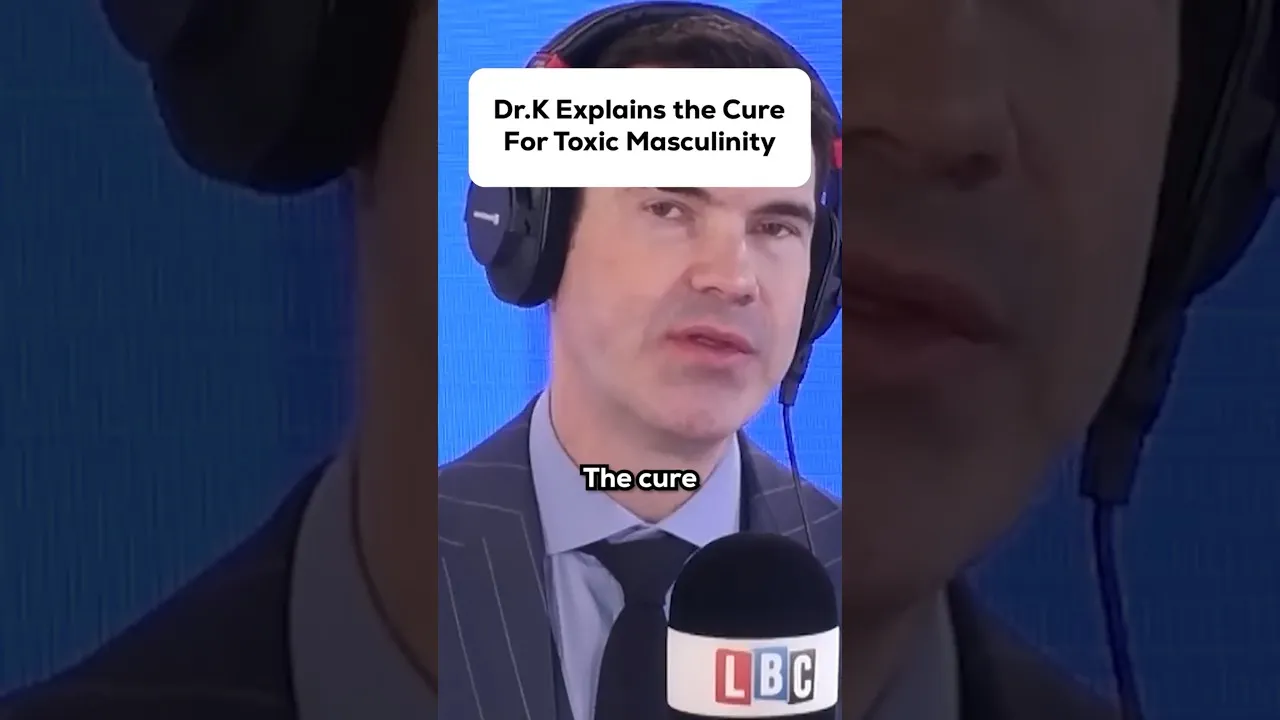
Build Better Bonds: Kindness and Service Can Heal
The idea of being a ‘gentleman’ and a ‘mench’—someone who is helpful and kind—might seem like a simple solution to complex social issues, but experts suggest a deeper approach is needed. Instead of seeing life as a one-way street of giving, fostering a world where everyone can both give and receive is key to stronger relationships and personal well-being.
The concept of being a gentleman often brings to mind politeness and respect. Being a ‘mench,’ a Yiddish word, means being a good person, someone who is dependable and kind, and often goes out of their way to help others. For a long time, these ideas have been presented as a way for men to navigate social expectations, often emphasizing sacrifice for the benefit of others.
Rethinking the ‘Giver’ and ‘Taker’ Dynamic
However, some perspectives argue that this focus on one-sided giving can unintentionally create a harmful divide. When we teach men to always be the givers, we might also be teaching them that others won’t reciprocate. This can lead to feelings of resentment or burnout when their sacrifices aren’t returned.
This mindset can create a world where people see themselves as either ‘givers’ or ‘takers.’ When individuals feel they have only been ‘givers,’ they might eventually feel used. This can lead to a reaction where they decide to become ‘takers’ instead, seeking to get what they feel they’ve been missing. This shift can contribute to social friction and personal dissatisfaction.
Creating a World of Mutual Benefit
A more helpful approach, according to some experts, is to move away from this strict giver-taker model. The goal should be to build connections where both giving and receiving are natural parts of the relationship. This means encouraging situations where people feel comfortable asking for help as much as they feel comfortable offering it.
Imagine a friendship where one person always plans the outings and pays for everything, while the other always accepts. Over time, the planner might feel unappreciated. But if the friend who usually receives also starts planning surprises or offering to contribute, the friendship becomes more balanced and fulfilling for both.
This idea of mutual support is vital in all relationships, whether with friends, family, or colleagues. It involves open communication and a shared understanding that everyone has needs and contributions. When we encourage a ‘win-win’ scenario, where everyone benefits, we create stronger, more resilient connections.
The Importance of Service and Reciprocity
Being of service, a core part of being a ‘mench,’ is valuable. It connects us to others and provides a sense of purpose. However, this service should ideally be part of a reciprocal relationship. When we help others, it’s also important that we feel supported in return.
This doesn’t mean keeping a strict tally of favors. Instead, it’s about cultivating an environment where mutual care and support are the norm. It’s about recognizing that everyone has something to offer and everyone needs support at different times. True strength in relationships comes from this balance.
Who Can Benefit?
These ideas about balanced relationships and mutual support are relevant for everyone, regardless of age or gender. They are particularly helpful for individuals who may struggle with setting boundaries or who tend to over-extend themselves in relationships. Understanding that it’s okay to receive support can be a significant step toward better mental and emotional health.
Key Health Takeaways
- Embrace Mutual Support: Aim for relationships where giving and receiving are balanced, rather than focusing solely on one person always giving.
- Communicate Needs: Be open about what you need from others and be willing to offer support in return.
- Value Both Giving and Receiving: Recognize that both contributing to others and accepting help are healthy behaviors.
- Avoid the ‘Giver/Taker’ Trap: Challenge the idea that people are strictly one or the other; most people can do both.
- Service with Reciprocity: While acts of service are good, ensure they are part of a relationship where you also feel supported.
This article is for informational purposes only and does not constitute medical advice. Always consult with a qualified healthcare provider for any health concerns or before making any decisions related to your health or treatment.
Source: Dr K Reacts to Jimmy Carr's Cure for Toxic Masculinity (YouTube)