Build Strength with 4 Key Movements
Starting a new workout routine can feel overwhelming, especially with so many different exercises available. However, a fitness expert suggests that you don’t need a long list of complicated moves. Instead, focusing on just four fundamental movement patterns can be highly effective for building strength and improving overall fitness. These core movements work multiple muscle groups simultaneously, making your workouts more efficient and beneficial.
The Power of Four Movement Patterns
Brian, a fitness enthusiast and presenter, highlights that consistency with these four key movements is more important than variety. By mastering these basic patterns, you can achieve a comprehensive full-body workout that targets major muscle groups and supports functional strength.
1. The Squat: A Foundation for Lower Body and Core
The squat is often called the king of exercises for a reason. It primarily works your legs, including your quadriceps and hamstrings, and your glutes. But the benefits don’t stop there. Squats also engage your core muscles, which are essential for stabilizing your body during the movement. This makes the squat a crucial exercise for anyone looking to build a strong foundation for their entire body.
2. The Hinge: Protecting Your Back and Strengthening Hamstrings
Many people overlook the importance of the hinge movement, which might contribute to common back problems. A hinge involves bending at the hips while keeping your back straight, loading your hamstrings and glutes. Think of movements like deadlifts or good mornings. This pattern is vital for developing posterior chain strength – the muscles on the back of your body – and learning to move efficiently while protecting your spine.
3. The Push: Building Upper Body Strength
Pushing movements are essential for developing strength in your chest, shoulders, and triceps. This category includes exercises like push-ups, bench presses, and overhead presses, where you are moving weight or your body away from your body. Incorporating various push exercises ensures balanced upper body development and functional pushing strength needed for everyday activities.
4. The Pull: Improving Posture and Back Health
Similar to the hinge, the pull movement is another area many people neglect. This is critical for counteracting the effects of prolonged sitting and improving posture. Exercises like rows, pull-ups, and lat pulldowns involve pulling weight or your body towards you. These movements strengthen the muscles of your upper back and shoulders, helping to keep your shoulders in their proper position and supporting a healthy, upright posture.
Putting It All Together
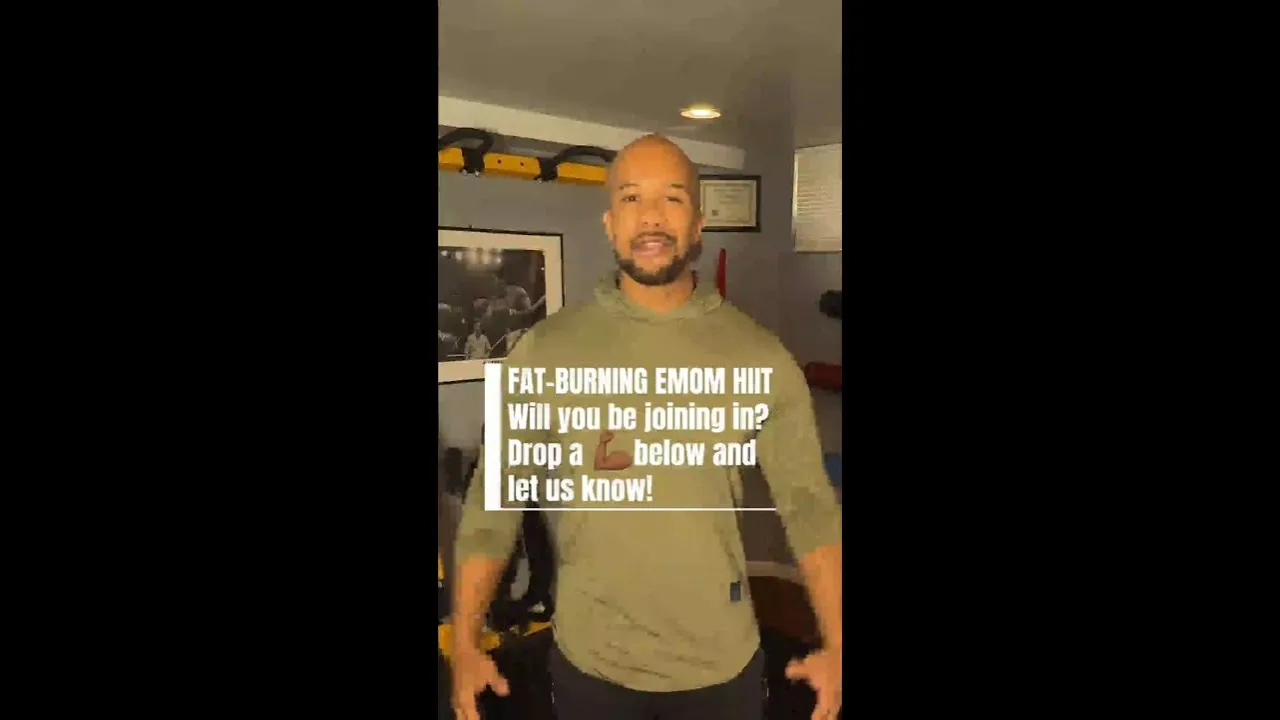
By consistently practicing these four fundamental movement patterns, you can create effective and efficient workouts. Brian suggests that a well-rounded fitness program can incorporate all these movements to ensure balanced muscle development and functional strength. For those looking to combine these patterns into a routine, he points to a specific ‘fat burning e-om’ hit that includes all four key movements.
Remember, the key to seeing results is not just the exercises you choose, but how consistently you perform them. Focusing on mastering the squat, hinge, push, and pull will provide a solid base for your fitness journey.
Key Health Takeaways
- Focus on four fundamental movement patterns: squat, hinge, push, and pull for efficient workouts.
- Squats build strength in your legs, glutes, and core.
- Hinge movements protect your spine and strengthen your hamstrings and glutes.
- Push exercises develop strength in your chest, shoulders, and triceps.
- Pull exercises improve posture and strengthen your upper back.
- Consistency with these core movements is more important than doing many different exercises.
Disclaimer: This article is for informational purposes only and does not constitute medical advice. Always consult with a qualified healthcare provider or certified fitness professional before beginning any new exercise program or making any changes to your existing routine. They can help you determine the best exercises for your individual needs and physical condition.
Source: The thing no one tells you when you start working out…4 key movements and why they’re effective (YouTube)