Unlock the Power of Your Forearms: A 30-Day Experiment Reveals the Best Training Methods
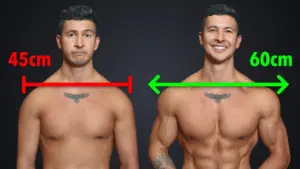
Weak forearms are more than just an aesthetic concern. They can limit your performance in the gym, are associated with a shorter lifespan, and may even impact your career prospects. Recognizing this, a fitness enthusiast embarked on a 30-day challenge to transform his forearm into a “powerhouse,” training one arm daily with science-backed exercises while two friends tested popular online forearm training methods.
The experiment aimed to determine which approach yields the greatest gains in size, strength, and endurance. Before beginning, the participants established baseline measurements of their forearm circumference at three points (upper, middle, and lower) and tested their grip strength across three categories: support grip (hanging), crush grip (squeezing), and pinch grip (holding plates with fingers and thumb). The results were eye-opening, revealing a general weakness across the board, with one participant struggling to hang for more than 12 seconds and another unable to reach three digits in crush grip strength.
Understanding Forearm Anatomy for Optimal Growth
To maximize forearm development, it’s crucial to understand the three main muscle groups involved:
- Flexors: Located on the underside of the forearm, these muscles are primarily responsible for bending the wrist. They are often indirectly trained during standard weightlifting exercises like bicep curls and rows. Exercises like wrist curls (using dumbbells or cables) are effective for direct flexor training.
- Extensors: Situated on the top of the forearm, these muscles extend the wrist. They contribute to the striated appearance of developed forearms and may play a role in alleviating elbow pain. Wrist extension exercises, using dumbbells or cables, target these muscles.
- Brachioradialis: This prominent muscle group is located around the elbow crease and is visually striking when developed. Unlike the flexors and extensors, the brachioradialis does not cross the wrist joint and is primarily involved in elbow flexion. To target it more effectively, exercises like hammer curls (using a neutral grip) are recommended. Performing these curls on an incline bench or preacher curl machine can further isolate the brachioradialis by placing the biceps at a disadvantage, forcing this muscle to work harder. Reverse grip curls are also beneficial.
The Training Regimens: Science vs. Popular Trends
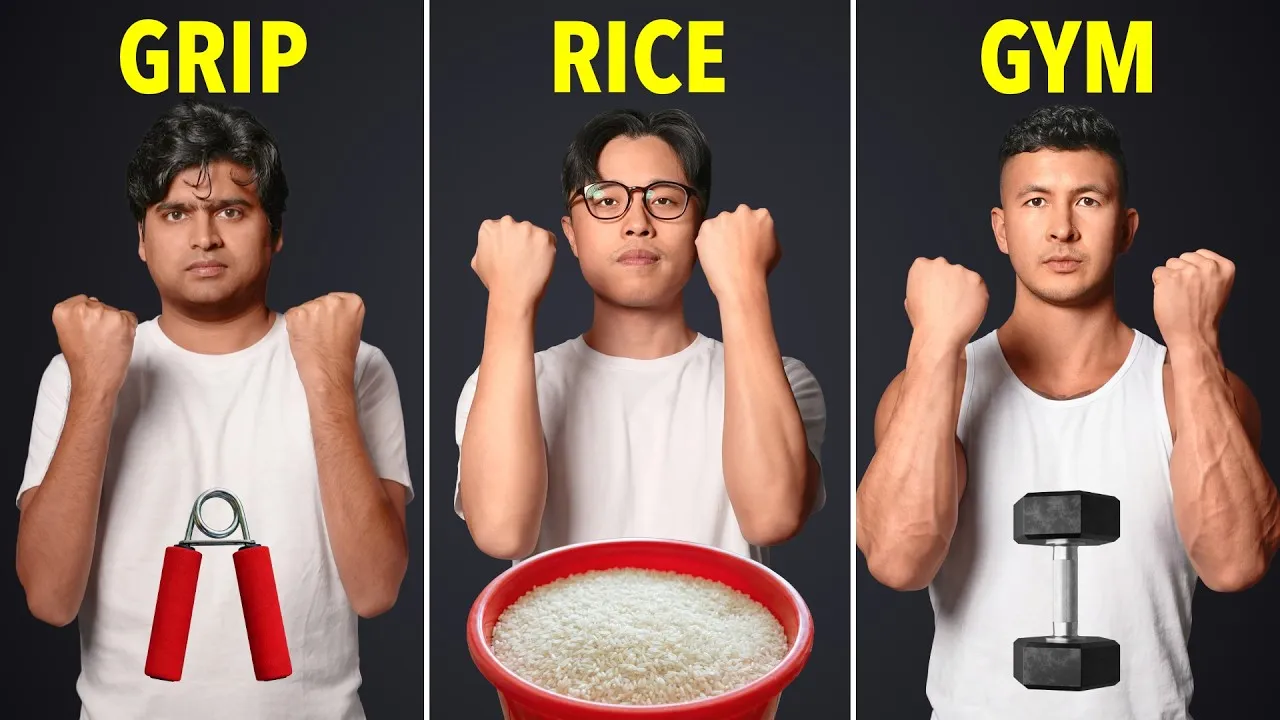
The three participants adopted distinct training protocols:
- The Scientist (Main Author): Implemented a science-based gym routine, training each of the three forearm muscle groups (flexors, extensors, brachioradialis) with three sets to failure, daily. This involved a variety of exercises including wrist curls, wrist extensions, hammer curls on an incline bench, and reverse grip curls, with an emphasis on proper form and utilizing cable machines to avoid joint aggravation.
- The Gripper (Friend 1): Focused solely on grip training with a hand gripper, performing 100 repetitions every single day. This method aimed to improve grip endurance and strength.
- The Rice Bowl (Friend 2): Followed a popular online trend of performing daily forearm exercises using a rice bowl. This involved repeatedly plunging the hand into a bowl of rice and performing various movements, aiming to engage multiple forearm muscles through resistance and repetition.
Daily Training: A Controversial Approach
Training a muscle group every single day is often considered counterproductive to muscle growth, as recovery is believed to be essential. However, emerging research challenges this notion. A study involving well-trained lifters who performed daily bench presses for 34 consecutive days showed significant strength gains, averaging a 40 lbs increase in their one-rep max. This suggests that short, daily training sessions might not hinder progress and could potentially accelerate it, especially for less trained individuals.
Despite the potential benefits, daily training presented immediate challenges. The main author experienced significant soreness and joint discomfort initially, questioning the sustainability of the regimen. The hand gripper user also found hitting 100 reps daily to be demanding. Interestingly, the rice bowl trainer initially reported feeling positive effects, though the resistance of regular rice quickly became insufficient, necessitating the addition of heavier bowls and a wooden spoon to increase the challenge.
Mid-Experiment Assessment: Farmer’s Carry Challenge
At the 15-day mark, a farmer’s carry test was introduced to assess functional grip strength. Participants had to carry half their body weight in one hand for 30 seconds. The main author and the rice bowl trainer successfully completed the challenge, demonstrating improved grip endurance. The hand gripper user, however, failed to meet the 30-second mark, indicating that his training, while improving grip strength, did not translate effectively to sustained carrying capacity.
This phase also highlighted the potential detriments of over-reliance on lifting straps. The main author noted that consistently using straps for heavy lifts had likely contributed to his underdeveloped forearms, prompting a conscious effort to reduce strap usage and rely more on natural grip strength.
The Final Results: Strength, Size, and Surprises
After 30 days, the participants were re-tested on crush grip, dead hang, and pinch grip. The results were varied:
- Crush Grip: The scientist’s science-based program yielded the highest crush grip strength increase. The hand gripper user also showed significant improvement, while the rice bowl trainer’s progress was more modest.
- Dead Hang: The hand gripper user’s performance did not improve, highlighting a limitation of his training method for this specific test. The rice bowl trainer showed a notable improvement, possibly due to the endurance aspect of his training combined with overall lifting.
- Pinch Grip: Surprisingly, the hand gripper user achieved the most impressive results in the pinch grip test, demonstrating that his focused grip training had unexpected benefits. The scientist also improved, but to a lesser extent.
An unexpected finding emerged when retesting biceps curl strength. Both the scientist and the rice bowl trainer showed increased repetitions on their trained (left) arm compared to their non-trained (right) arm. This suggests that stronger forearms and improved grip can positively influence the performance of other upper body exercises, even for experienced lifters.
Measuring Growth: Size Matters
When measuring forearm circumference changes, the results were as follows:
- Third Place: Rice Bowl Training. This method led to modest growth in the upper forearm but showed no significant changes in the middle or lower sections.
- Second Place: Science-Based Training. The scientist experienced substantial growth in the upper and middle forearm, but the lower forearm remained largely unchanged.
- First Place: Hand Gripper Training. While showing less overall size increase, this method resulted in the most significant growth in the middle and lower forearm, areas often challenging to develop. This was particularly notable given the participant was new to exercise.
Key Health Takeaways
- Forearm strength is linked to overall health: Research indicates a correlation between weaker grip strength and increased mortality risk.
- Targeted training is key: Developing all three major forearm muscle groups (flexors, extensors, brachioradialis) through specific exercises is more effective than relying solely on indirect training.
- Daily training can be effective: Contrary to traditional beliefs, training forearms daily, particularly with shorter, intense sessions, can lead to significant strength and size gains, provided appropriate recovery and exercise selection are considered.
- Grip endurance is crucial: Exercises that challenge grip endurance, like farmer’s carries or sustained holds, are vital for functional strength and may indirectly benefit other lifts.
- Variety prevents plateaus: Relying too heavily on one training method or equipment (like lifting straps) can lead to underdeveloped forearms. Incorporating diverse exercises and reducing reliance on supportive gear is recommended.
Conclusion and Recommendations
The 30-day experiment demonstrated that while each training method had its strengths, a structured, science-based approach focusing on all three forearm muscle groups yielded comprehensive results in both strength and size. The hand gripper proved effective for lower forearm development and grip endurance, while the rice bowl method offered a basic, accessible starting point, particularly for beginners new to exercise. Farmer’s carries were highlighted as an excellent supplementary exercise for overall grip strength and endurance, especially when added at the end of workouts.
For those looking to optimize their forearm development, incorporating a routine that includes targeted exercises for flexors, extensors, and the brachioradialis, along with grip endurance work, is advisable. Reducing reliance on lifting straps and consistently challenging the forearms can lead to noticeable improvements in strength, size, and overall physical capacity.
Disclaimer: This article is for informational purposes only and does not constitute medical advice. Always consult with a qualified healthcare professional before making any decisions related to your health or treatment.
Source: 3 Guys Train Forearms Everyday – Only 1 Was Worth It (YouTube)