First-Time Car Buyers Can Outsmart Dealerships with Strategic Negotiation Tactics
Purchasing your first vehicle can be an exciting milestone, but navigating the often-intimidating car dealership environment requires a well-honed strategy. New insights suggest that by understanding dealership operational tactics and adopting a clever negotiation approach, first-time car buyers can significantly improve their purchasing power and secure a better deal. The key lies in timing your visit and controlling the payment discussion.
The Power of Timing: End of Month, End of Day
Dealerships operate with aggressive monthly sales targets. Salespeople are often incentivized to meet quotas, and hitting these targets can mean substantial bonuses. By visiting a dealership towards the end of the month, and ideally towards the end of the business day, buyers can place themselves in a position of leverage. A salesperson facing an unmet monthly quota might be more willing to accept a lower profit margin on a sale to close a deal and secure their bonus. This creates an opportunity for buyers to negotiate more aggressively, as they can present themselves as the deal that will push the salesperson over their target.
The Cash Misdirection: Protecting Your Negotiation Leverage
A critical, and often overlooked, aspect of car negotiation revolves around the payment method. Dealerships often generate a significant portion of their revenue not from the sale of the vehicle itself, but from the financing options they offer. This can include markups on interest rates, commissions from lenders, and lucrative service contracts tied to financed purchases. Consequently, revealing that you intend to pay in cash upfront can inadvertently disarm your negotiation strategy.
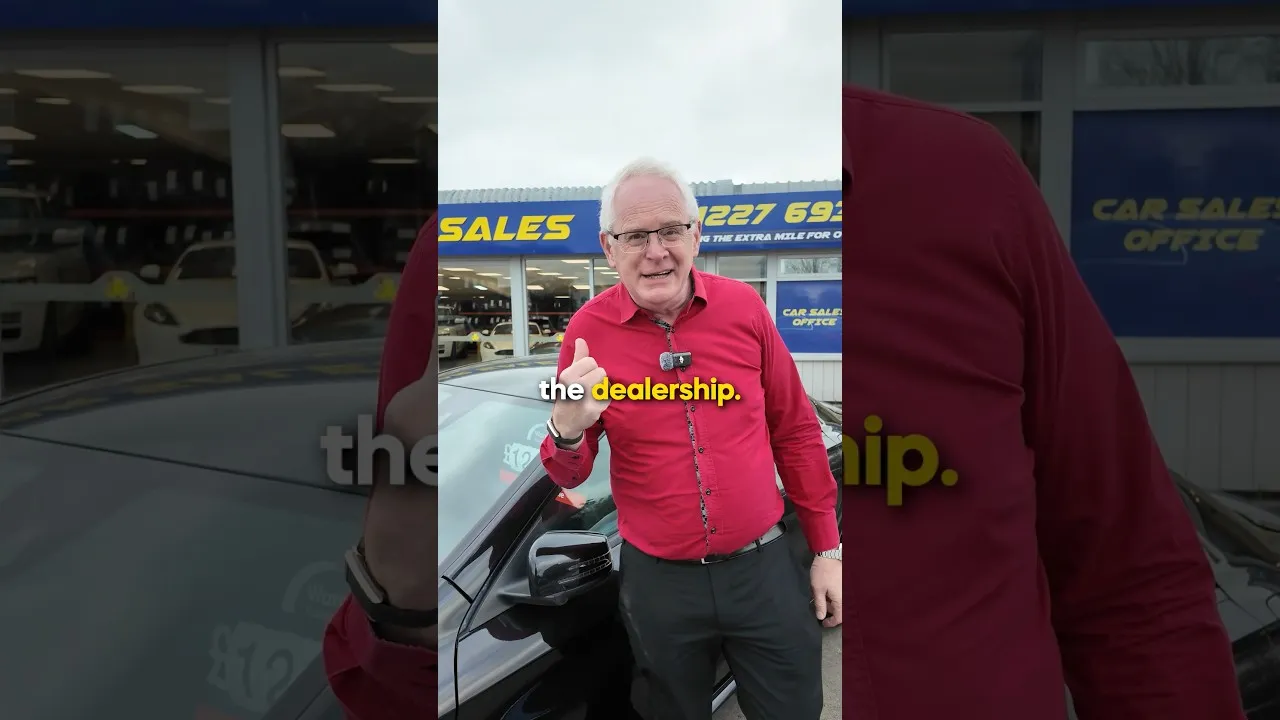
“If you do, then you’ve lost your leverage. As car dealerships make more money through finance than the car itself.”
When a dealership knows a buyer is paying cash, they may be less inclined to offer significant discounts on the vehicle’s price, knowing they won’t profit from financing. The focus shifts entirely to the sticker price, potentially limiting the buyer’s ability to negotiate a lower overall cost. Therefore, the recommended strategy is to keep the payment method undisclosed until the final price of the car has been agreed upon.
The Winning Formula: Price First, Payment Second
The most effective approach for buyers is to prioritize negotiating the absolute lowest price for the car before discussing any financing or payment details. This involves focusing solely on the out-the-door price, including all fees and taxes. Once a firm agreement on the vehicle’s price is reached, then the buyer can introduce their payment method. Presenting a cash payment at this stage can be a powerful closing tactic, as the dealership has already committed to the price and is now simply processing the transaction. This sequence ensures that the negotiation is centered on the car’s value, not on the dealership’s potential profit from financing.
By employing these tactics – strategic timing and delaying the payment discussion – first-time car buyers can transform their negotiation experience from a potential disadvantage into a position of strength. This approach empowers consumers to secure a better deal and drive away with confidence.
Market Impact
While these tactics primarily benefit individual consumers, widespread adoption could subtly influence dealership sales strategies. Dealerships might adapt by implementing more consistent pricing models or focusing on volume over individual deal profitability derived from financing. For the broader automotive market, increased consumer awareness of negotiation tactics could lead to more transparent pricing structures over the long term. However, the immediate impact is on the individual buyer’s ability to secure a lower purchase price.
What Investors Should Know
For investors holding automotive stocks, particularly those with significant exposure to dealership operations, understanding these consumer negotiation dynamics is crucial. Dealerships that rely heavily on finance and insurance (F&I) revenue streams may see slight pressure on their profit margins if more buyers adopt this strategy. Companies with diversified revenue streams, including robust service departments or new/used car sales driven by volume, may be more resilient. Monitoring trends in average transaction prices and F&I revenue per vehicle at major dealership groups can provide insights into the effectiveness of these consumer tactics.
Long-Term Implications
In the long run, as consumers become more informed and empowered, the traditional dealership model may face pressure to evolve. Transparency in pricing and a greater focus on customer satisfaction could become more critical competitive differentiators. The emphasis might shift from aggressive sales tactics to building long-term customer relationships through fair pricing and excellent service, potentially benefiting brands that prioritize these aspects.
Source: How To Buy Your First Car (YouTube)