Americans Face Steep Financial, Social Toll from Car Dependency
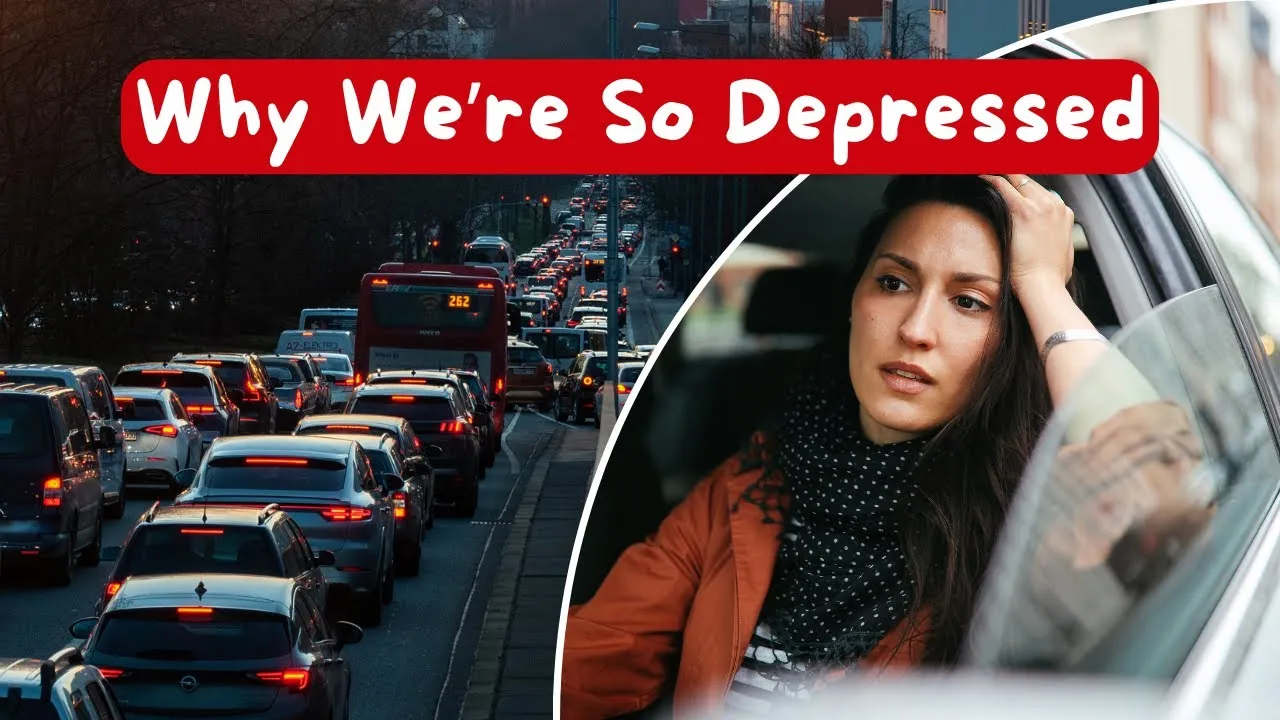
The pervasive influence of car culture in the United States comes with a staggering financial burden, significant environmental costs, and a profound impact on social well-being, according to analysis of current trends and historical development. While often marketed as a symbol of freedom and independence, the reality for many Americans is a costly, inefficient, and often isolating mode of transportation.
The True Cost of Car Ownership
The financial outlay for owning and operating a vehicle in the U.S. is substantial. The average monthly payment for a new car hovers around $748, while a used car payment averages $532. Annually, this translates to a significant $8,976 for a new car payment alone – an amount that could fully fund a Roth IRA with substantial funds remaining for other purposes.
Beyond the purchase price and monthly payments, drivers face a litany of ongoing expenses. Car insurance adds an average of $2,335 per year. Routine maintenance, such as oil changes ($164 annually), tire balancing and rotation ($134), and basic inspections ($253), further contribute to the cost. Even smaller items like engine or air filter changes can add $83 per instance.
These figures do not account for depreciation, a significant hidden cost. According to IC Cars, the average car lost 38.8% of its value over five years as of 2023, meaning the moment a vehicle is driven off the lot, its value begins to decline.
Historical Roots of American Car Culture
The U.S.’s deep-seated car culture is not an organic development but a result of deliberate historical and urban planning decisions. While cars have existed since the late 1800s, their integration into daily American life accelerated post-World War II. The rise of suburbia and the phenomenon of “white flight” in the 1950s played a crucial role. As affluent populations moved to suburban areas, cities lost tax revenue, making it harder to invest in public infrastructure and social spaces.
Urban planner Robert Moses was a pivotal figure in shaping American cities for automobiles. His extensive infrastructure projects in New York City, including bridges, tunnels, and parkways, prioritized car travel over pedestrian and public transit needs. These projects often came at the expense of established neighborhoods, displacing thousands of families and disproportionately impacting minority communities. The construction of the Cross Bronx Expressway, for example, displaced 4,000 families and carved seven miles of roadway through the borough.
Moses’s influence extended to designing infrastructure to actively discourage public transit use. It is documented that he ensured parkway bridges were built low enough to prevent city buses, which were likely carrying lower-income minority populations, from passing underneath.
Federal Policy and the Highway System
Federal policy has been instrumental in cementing car dependency. The Federal Aid Road Act of 1916 and the Federal Aid Highway Act of 1921 laid the groundwork for a national road grid. President Eisenhower’s administration allocated a massive $33 billion (a significant sum at the time) to developing the highway system, a project described as the “greatest public works program in the history of the world.”
This focus on highways came at the expense of public transit. While highways were being constructed, public transportation systems languished. Amtrak, the national passenger rail service, was not founded until 1971 and has never received funding comparable to that allocated for highways. The construction of these freeways displaced over one million people in the two decades following the 1956 highway act, with a total expenditure of $114 billion, equivalent to approximately $634 billion in 2024 dollars.
The State of Public Transit
Despite the significant investment in roadways, public transit systems continue to operate, providing 6.9 billion rides in 2023 alone. However, these systems face significant challenges, including chronic underfunding and decades of negative public perception. Figures like Elon Musk have actively campaigned against high-speed rail projects, advocating for alternative technologies like the Hyperloop, despite questions about the feasibility and cost-effectiveness of such proposals.
Public transit offers a safer and more affordable alternative to car travel. Data suggests that the death or injury rate for public transit is approximately one-tenth that of car travel. Moreover, public transit users avoid the significant financial burdens associated with car ownership. Despite these benefits, a perception persists that public transit is unsafe or undesirable, a notion often fueled by propaganda and a lack of investment.
Global Comparisons and Missed Opportunities
The United States lags significantly behind other developed nations in public transit infrastructure, particularly high-speed rail. China, for instance, has built an extensive high-speed rail network of 23,500 miles in just over 15 years. Spain boasts Europe’s most extensive high-speed network with over 2,000 miles of dedicated lines. In contrast, the U.S. has only one train that qualifies as high-speed rail.
This lack of investment has broader economic implications. It hinders efficient movement of people, limits tourism appeal, and restricts economic growth to areas easily accessible by car. The disparity is evident even within states like New York, where New York City has robust public transit, but the rest of the state lacks efficient long-distance rail options, forcing residents to fly or endure lengthy, expensive train journeys.
Redefining Freedom and Future Prospects
The narrative of freedom associated with car ownership often overlooks the “freedom from” that robust public infrastructure provides: freedom from long commutes, freedom from the financial strain of car payments and maintenance, and freedom from the increased risk of traffic accidents. Furthermore, the car-centric design of cities leads to negative environmental consequences, including the loss of green spaces, reduced air quality, and the exacerbation of the urban heat island effect, which disproportionately affects minority communities.
The automotive industry has heavily invested in marketing cars as symbols of adventure, power, and independence, tapping into deeply ingrained American ideals of self-reliance. However, this narrative obscures the reality of high costs and limitations.
Growing urbanist movements and organizations like Voices for Public Transit and Strongtowns are advocating for a shift towards better public transportation. By engaging at the local level through voting and attending community meetings, citizens can influence urban planning and advocate for increased investment in buses, subways, and trains. Such a shift could not only improve individual well-being and financial stability but also create jobs. The transit industry saw a 4% job growth between 2022 and 2023, exceeding the national average for all occupations. Investing in public transit offers a pathway to a more equitable, efficient, and sustainable future.
Market Impact
The dominance of car culture has significant implications for various sectors. Automotive manufacturers and related industries have benefited immensely, while public transportation providers have struggled with underfunding. A shift towards public transit could impact auto sales, fuel consumption, and urban development strategies. Investments in infrastructure, such as high-speed rail, could create new economic opportunities and spur growth in related industries like engineering, construction, and manufacturing of transit vehicles.
What Investors Should Know
Investors may consider the long-term implications of a potential shift in transportation priorities. Companies involved in public transit infrastructure, electric vehicle charging networks that support multimodal transport, and urban planning technologies could see increased demand. Conversely, traditional automotive companies may need to adapt their business models to align with evolving consumer preferences and government policies favoring sustainable and efficient transportation solutions. The growing emphasis on environmental, social, and governance (ESG) factors in investment decisions also suggests a potential re-evaluation of industries heavily reliant on fossil fuels and car dependency.
Source: How Car Culture Stole America’s Freedom (YouTube)