The Unseen Pressure: Celebrities Navigate Aging in Hollywood
The relentless pursuit of youth in Hollywood is a well-documented phenomenon, but the extent of cosmetic procedures among female celebrities, particularly those over a certain age, is striking. It’s a pervasive trend that raises questions about societal expectations and the immense pressure women face to maintain a youthful appearance, even at the cost of a natural look.
Challenging Imposed Standards
One of the most frequently voiced concerns from audiences is the immense pressure women endure as they age, striving to look younger. This pressure often leads to cosmetic interventions that, rather than preserving youth, can result in an “unnatural” or “strange” appearance. The underlying sentiment is that these procedures are not necessarily a personal choice but an imposition driven by external expectations.
“I just think that you just do the best that you can. You know, I eat well and and um and I’m I’m mostly very happy and I think it makes a big difference. You know, it’s the way you carry yourself or the way you look at the world. I think, you know, you bring your own joy, you know, and so you don’t I don’t sit there and worry about those things very much.”
This perspective emphasizes a holistic approach to well-being, suggesting that happiness, a healthy lifestyle, and a positive outlook are more impactful than surgical enhancements. The internal state of an individual—their joy and how they present themselves—is highlighted as a key factor in perceived attractiveness and confidence.
Observing Peer Pressure on Set
When observing colleagues on set, the visible effects of this pressure can be apparent. The question arises: why do some women worry so intensely about their appearance when their presence on set is a testament to their existing qualities and suitability for their roles? The reminder that one is chosen for their talent and unique attributes, rather than an artificial standard, is a crucial point.
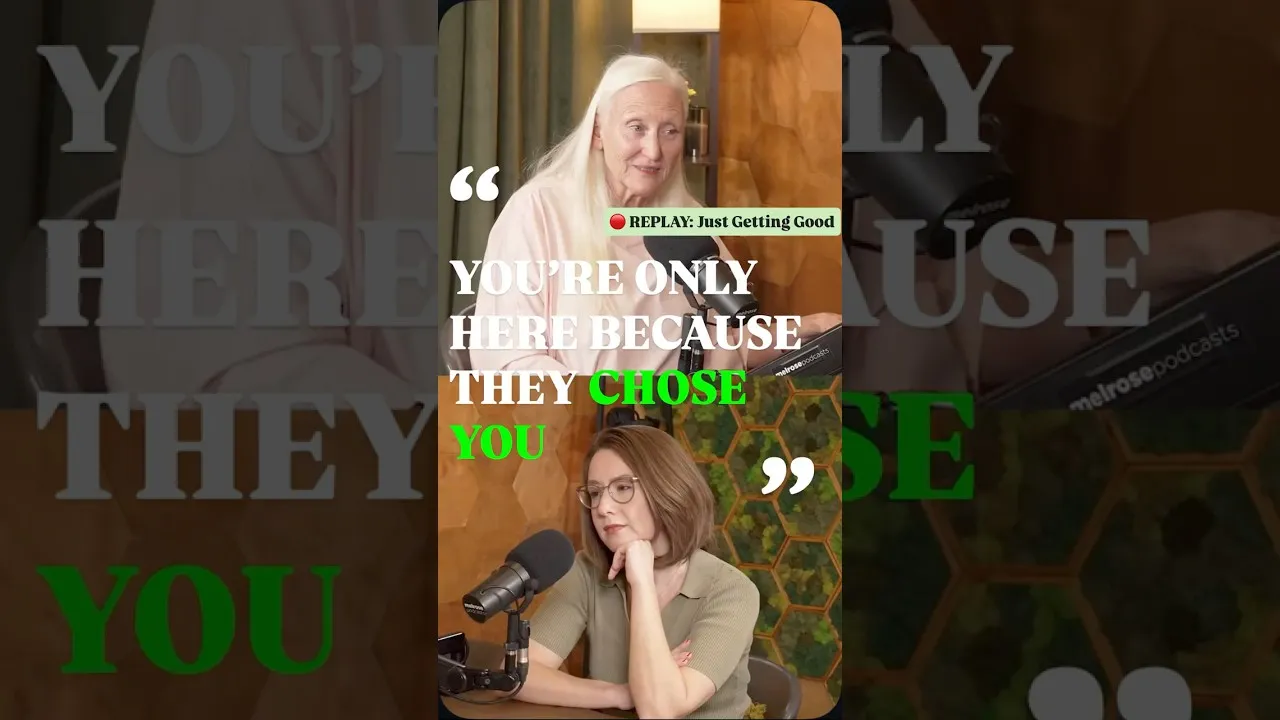
The transcript notes, “You’re only here because they chose you… and so you’re what they wanted out of however many people.” This perspective challenges the notion that further alterations are necessary for professional success. When observing women who have undergone extensive procedures, there’s a sense of curiosity, especially considering they have already met the stringent criteria for being cast.
Market Impact
The beauty and cosmetic surgery industry is a multi-billion dollar market. The demand for procedures, driven by societal and celebrity-influenced trends, significantly impacts the financial performance of companies involved in pharmaceuticals, medical devices, and aesthetic treatments. While the transcript doesn’t provide specific financial figures for this industry, it underscores the cultural forces that fuel its growth.
What Investors Should Know
- Consumer Demand: The persistent desire for youthful appearances fuels consistent demand for cosmetic procedures and related products.
- Industry Growth: The aesthetic industry continues to be a robust sector, attracting significant investment.
- Brand Reputation: Companies in this sector may face scrutiny regarding ethical marketing and the promotion of potentially unrealistic beauty standards.
Long-Term Implications for Investors
While the immediate allure of cosmetic enhancements might seem evergreen, long-term investors might consider the evolving cultural landscape. A growing awareness and critique of these imposed beauty standards could, over time, influence consumer choices. Furthermore, advancements in non-invasive treatments and a greater emphasis on overall wellness and natural aging could shift market dynamics. Companies that adapt to these evolving perceptions, perhaps by focusing on preventative care, skin health, or promoting a more inclusive definition of beauty, might find themselves better positioned for sustained growth.
Sector Context
The cosmetic surgery and aesthetic treatments sector operates within the broader healthcare and consumer discretionary markets. It is influenced by economic cycles, demographic trends, and cultural shifts. Competitors range from large pharmaceutical companies with aesthetic divisions to specialized clinics and independent practitioners. The narrative surrounding aging and beauty significantly impacts consumer perception and, consequently, market share and profitability within this competitive landscape.
Conclusion
The conversation around celebrity beauty standards highlights a societal tension between the desire for eternal youth and the acceptance of natural aging. While the cosmetic industry continues to thrive on this demand, the underlying pressures and their potential to create “strange” appearances are increasingly being questioned. For investors, understanding these cultural nuances is key to navigating a market that is as much driven by psychology and societal norms as it is by scientific innovation.
Source: Impossible Beauty Standards (YouTube)