Claude Now Controls Your Computer, Mimicking Open-Source AI
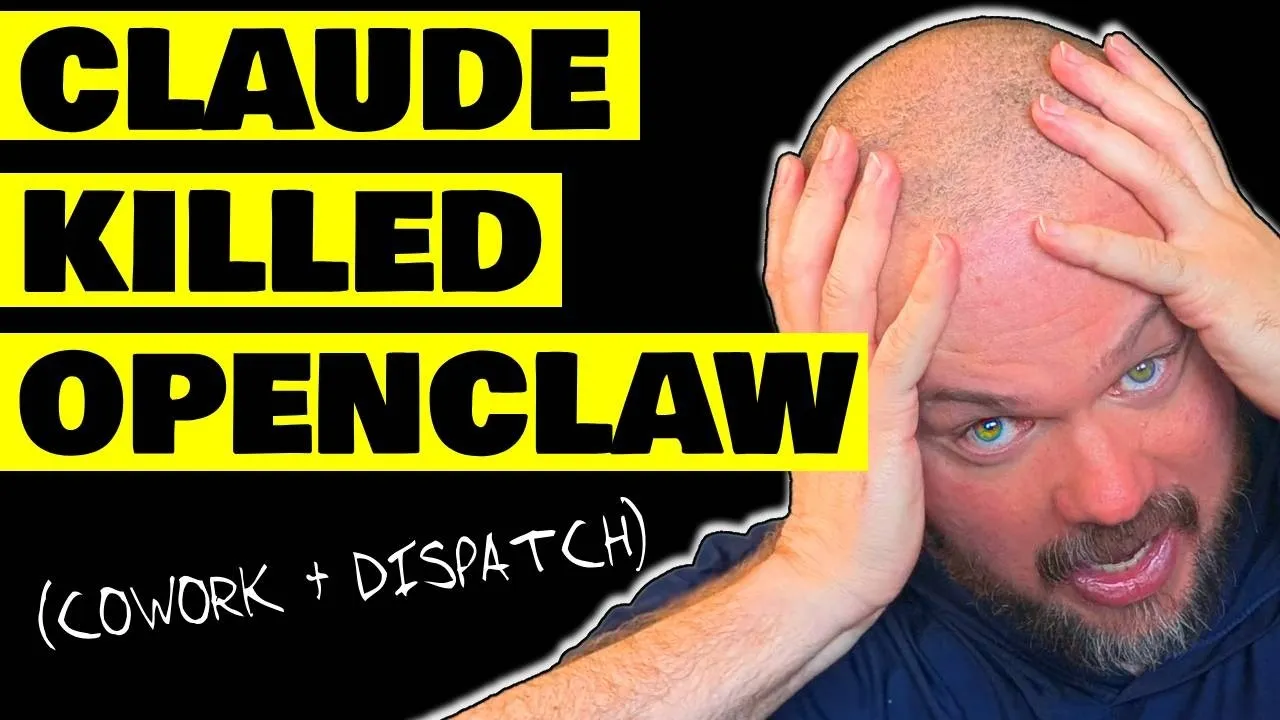
AI company Anthropic has rolled out new features for its Claude chatbot that allow it to directly interact with and control a user’s computer. This move brings Claude’s capabilities much closer to those of popular open-source AI agents like OpenClaw, potentially changing how many people use AI assistants.
These new features, part of Claude’s ‘Co-work’ and ‘Dispatch’ tools, let the AI open applications, browse the web, fill out spreadsheets, and perform other tasks just as a human would. Previously, AI assistants could only perform actions through specific commands or integrations. Now, Claude can navigate your desktop, click on items, and type information, acting more like a human assistant.
What is OpenClaw?
To understand the impact, it’s helpful to know what OpenClaw is. OpenClaw is an open-source AI agent that runs on your own computer. The idea is that more of your personal data, files, and information stay on your device, giving you more control. As it runs, it learns about you, your work, and your preferences, becoming a personalized assistant.
OpenClaw gained massive popularity quickly. It was known for its ability to manage files, emails, calendars, and even write code or build websites. Users could control it through messaging apps like Telegram, making it accessible from anywhere. Its rapid growth even led to shortages of Mac Mini computers, as people bought them to run OpenClaw locally.
Anthropic’s Rapid Expansion
Anthropic has been releasing new features at a breakneck pace. In just over 50 days, they’ve introduced significant updates to Claude, including better integration with tools like Slack and Google Workspace, and the ability to handle tasks on Windows and Mac computers.
The ‘Co-work’ feature allows Claude to use your computer for tasks, essentially acting as a desktop assistant. The ‘Dispatch’ feature works with a mobile app, letting you assign tasks from your phone that Claude will complete on your computer. This mirrors the convenience of controlling OpenClaw via text messages.
How Claude’s New Features Work
The ability for AI to use a computer like a human is a major step. Instead of just processing text, Claude can now interact with software graphically, moving cursors and clicking buttons. This is different from browser extensions that can only interact with websites.
Anthropic’s approach is to allow Claude to navigate your desktop and applications. For example, a user could ask Claude to open a photo editing website and create a specific type of image. Claude would then open the browser, navigate to the site, and use its tools to create the image, much like a person would.
Currently, these advanced computer control features are available on Mac OS only and require a Pro or Max subscription plan. However, given Anthropic’s history of rapid development, wider availability is expected soon.
Why This Matters
For many users, Anthropic’s new features offer a powerful AI assistant that is easier to set up and use than self-hosted solutions like OpenClaw. OpenClaw requires technical knowledge to install and manage, and there have been concerns about security risks if not configured properly. Claude’s version is designed to be more user-friendly and secure, operating within a controlled environment.
The ability to have an AI manage tasks across different applications on your computer can save significant time and effort. It means you can delegate repetitive or complex tasks to the AI and focus on other work. For example, you could ask Claude to scan your emails every morning or pull a report every Friday, and it would handle these tasks automatically.
However, this convenience comes with trade-offs. Unlike OpenClaw, which gives users full control over their data and can work with various AI models, Claude’s features are tied to Anthropic’s platform. This means users are dependent on Anthropic’s services and pricing, and they have less control over which AI model is used or how their data is processed beyond what Anthropic allows.
Concerns about AI ‘sniping’ — where large companies replicate features from smaller startups — are also relevant. OpenClaw pioneered many of these agent-like capabilities. Now, major players like Anthropic are building similar features natively, which could make it harder for independent open-source projects to compete.
The Future of AI Agents
While Anthropic’s Claude now offers many of the functionalities that made OpenClaw popular, OpenClaw isn’t disappearing entirely. Its open-source nature means it remains free to use, can work with any AI model (not just Anthropic’s), and offers a high degree of customization for technically proficient users. It also allows for greater control over personal data, which is a significant concern for many.
For the average consumer, Anthropic’s Claude might offer a more accessible and safer entry point into powerful AI agents. The ease of use, built-in security features, and integration with common applications make it an attractive option. The question remains whether this will replace the need for fully self-hosted, open-source solutions or if both will coexist, serving different user needs.
Anthropic’s rapid development suggests that AI assistants capable of complex computer interactions are becoming mainstream. The competition in this space is heating up, promising more advanced and integrated AI tools for users in the near future.
Source: Claude just killed OpenClaw (YouTube)