Conquer Addiction: Find Power in Admitting You Can’t Control It
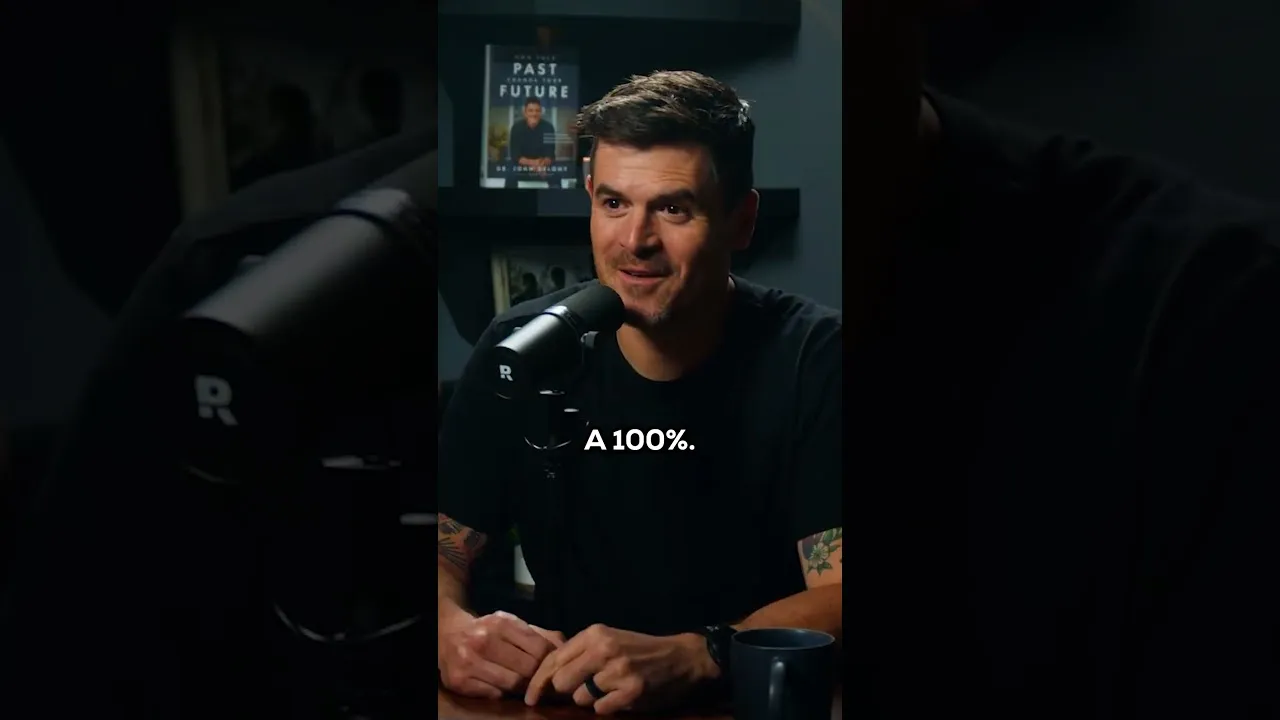
Many people struggling with addiction, whether it’s to substances, behaviors like pornography use, or other compulsive actions, often feel powerless. However, a key insight from experts suggests that true empowerment in overcoming addiction begins with acknowledging what you can’t control. This paradoxical approach, highlighted by figures like Dr. John Delony, offers a pathway to reclaiming autonomy and building a life free from the grip of addiction.
The Paradox of Powerlessness
The journey to overcoming addiction often starts with admitting a lack of control. Think about Alcoholics Anonymous (AA) meetings. When someone stands up and says, “Hi, my name is John, and I’m an alcoholic,” they are not just stating a problem. They are taking a powerful first step by acknowledging their struggle and their inability to manage it alone.
This admission isn’t about giving up; it’s about releasing the exhausting effort of trying to control something inherently uncontrollable. Dr. Delony emphasizes that this moment of surrender can be surprisingly empowering. It’s a recognition that you can’t force outcomes, like making an ex-partner return or single-handedly fixing a complex life problem. However, it’s also the starting point for focusing on what you can influence: your own actions and choices.
Finding Autonomy in Acceptance
When you stop fighting against the reality of your addiction and begin to accept that you cannot control it, you reclaim a different kind of power. This is not about resignation but about strategic redirection. Instead of trying to wrestle with the addiction itself, you start working on the underlying issues that fuel it. This might involve identifying and addressing unresolved problems in your life that contribute to addictive behaviors.
Consider a young person struggling with a difficult breakup. They might desperately want to win back their ex. A compassionate response acknowledges that they cannot guarantee their ex’s feelings or actions. However, they can choose how they cope with the pain, seek support, and focus on their own healing and personal growth. This shift from trying to control external factors to focusing on internal responses is a significant reclamation of personal agency.
The Role of Vulnerability and Support
Admitting you have a problem, especially an addiction, requires immense vulnerability. This is where the community aspect of support groups becomes so vital. Hearing others share their stories and their ongoing commitment to sobriety, even after years of recovery, reinforces the idea that recovery is possible. It shows that acknowledging imperfection is not a weakness but a strength.
When you admit you are not perfect and cannot control certain aspects of your life or your own impulses, you open the door to seeking help. This is the opposite of isolation, which often feeds addiction. By accepting your limitations, you create space for external support, whether from therapists, support groups, or trusted friends and family.
Empowerment Through Small Steps
The feeling of empowerment in addiction recovery doesn’t come from a sudden, miraculous cure. It grows from the consistent, small actions taken after acknowledging the problem. It’s about choosing to engage in healthy coping mechanisms, attending support meetings, and making conscious decisions to act in ways that support your recovery, even when it’s difficult.
Dr. Delony suggests that this process is like opening your hands. When your fists are clenched, trying to hold onto control or deny reality, you can’t receive anything new. But when you open your hands, you release the burden of unmanageable control and become receptive to help, healing, and lasting change. This act of letting go, paradoxically, is where true strength is found.
Who Can Benefit From This Approach?
This perspective on addiction recovery is relevant to anyone struggling with compulsive behaviors or substance abuse. It applies to men and women of all ages who feel trapped by their habits. It’s particularly helpful for individuals who have tried to control their addiction through sheer willpower and found themselves repeatedly failing, leading to feelings of shame and hopelessness.
Key Health Takeaways
- Acknowledge What You Can’t Control: True empowerment in addiction recovery begins with admitting you cannot control the addiction itself or all external outcomes.
- Focus on Your Actions: Shift your energy from trying to force change in uncontrollable areas to focusing on your own choices, behaviors, and self-care.
- Embrace Vulnerability: Admitting you have a problem and are not perfect is a sign of strength, not weakness, and is crucial for seeking and accepting help.
- Find Support: Connecting with others in support groups or through therapy provides community, shared experience, and encouragement on the recovery journey.
- Reclaim Autonomy: By accepting limitations, you create space to make conscious, positive choices that lead to lasting recovery and personal growth.
This article is for informational purposes only and does not constitute medical advice. Always consult with a qualified healthcare provider or mental health professional for any health concerns or before making any decisions related to your health or treatment.
Source: Beating Addictions Starts with This @TheDrJohnDelonyShow (YouTube)