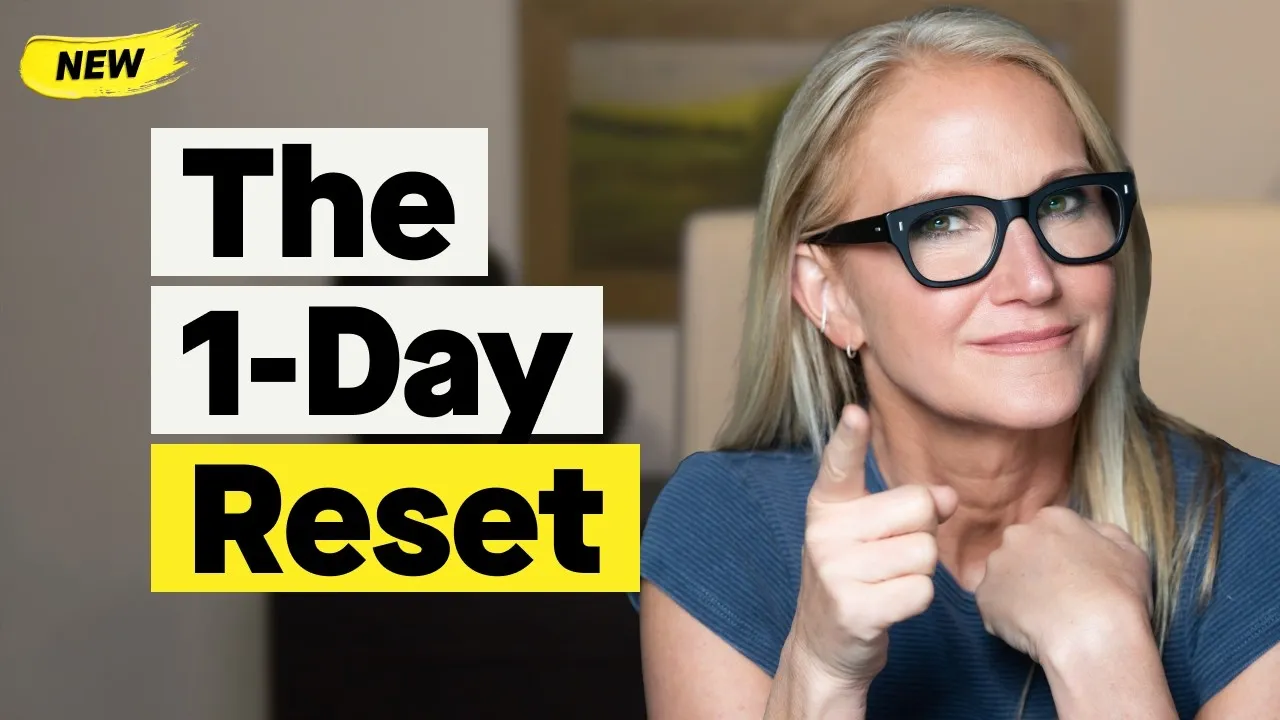
Conquer Life Admin: Reclaim Your Time in One Day
Feeling buried under a mountain of overdue appointments, unanswered calls, and nagging errands? You’re not alone. Many of us are bogged down by ‘life admin’ – those essential but often overwhelming administrative tasks that steal our time and mental energy. But what if you could tackle this backlog and regain control in just one dedicated day? This article outlines a structured approach, inspired by insights from productivity and cognitive science, to help you conquer your life admin and feel on top of the world again.
The Power of a Dedicated ‘Life Admin Day’
The concept is simple yet powerful: designate one full day to systematically address all the administrative tasks that have been piling up. This isn’t about deep cleaning or major life changes; it’s about clearing the decks of those persistent, low-level tasks that create friction in your daily life. By dedicating a single day, you can achieve significant progress, freeing up future weekends and evenings and reducing the mental load that contributes to stress and overwhelm.
Research suggests that tackling these tasks intentionally can lead to a profound sense of accomplishment and control. The benefits extend beyond just checking items off a list; they include reclaiming valuable time, reducing anxiety, and proving to yourself that you can manage even the most daunting administrative backlogs.
Understanding Life Admin
Life admin encompasses a wide range of tasks, from scheduling medical appointments and dealing with bills to returning packages, organizing important documents, and responding to lingering administrative requests. These are the things that often get pushed aside due to lack of time or energy, yet they continue to occupy mental space and can lead to missed opportunities or penalties, such as overdue fees or expired return windows.
Examples include:
- Scheduling or rescheduling appointments (doctor, dentist, veterinarian, hair, car service).
- Processing returns or exchanges for items.
- Dealing with outstanding bills or insurance inquiries.
- Organizing and sending out cards or important documents.
- Addressing minor home repairs or setup tasks (e.g., assembling furniture, fixing a loose doorknob).
- Renewing licenses or updating identification.
- Researching and ordering essential household items.
The Ground Rules for Success
Before diving into the structured approach, it’s crucial to establish some ground rules to ensure your Life Admin Day is effective and not counterproductive:
- No Decluttering: This day is for administrative tasks, not for organizing closets or deep cleaning. Decluttering can feel productive but often distracts from the core goal of tackling unfinished business.
- Minimize Distractions: Aim for a quiet environment with as few interruptions as possible. If possible, arrange for solitude. This focused time is essential for making significant progress.
- Prioritize Yourself: This day is about *your* life admin. Focus on your needs first before addressing tasks for others. This helps ensure you don’t run out of energy before completing your own essential tasks.
- Embrace Non-Judgment: There is no shame in the tasks you need to address or the time it has taken to get here. This is a judgment-free zone dedicated to proactive self-management.
The Five-Step Framework for Your Life Admin Day
Mel Robbins, a motivating speaker and author, proposes a five-block structure designed to maximize efficiency and reduce cognitive load during your dedicated Life Admin Day. This framework is based on research into productivity, decision-making fatigue, and optimal timing for tasks.
Step 1: The Brain Dump (The Night Before or Morning Of)
The process begins by getting everything out of your head and onto paper. This ‘brain dump’ involves writing down every unfinished task, nagging thought, or pending errand that is occupying your mental space. Research from Baylor University, led by Dr. Michael K. Skull, suggests that writing down unfinished tasks before bed can reduce worry and help you fall asleep faster. By externalizing these items, you offload the mental burden, freeing up cognitive resources.
Action: Write down everything that needs attention. Walk around your home and car to jog your memory. Don’t filter; just capture it all.
Step 2: Prioritize and Highlight
Once you have your comprehensive list, identify and highlight your top 5-10 priorities. These should be the tasks that cause the most stress, have been avoided the longest, incur costs if left undone, or create daily friction. This focused selection ensures you tackle the most impactful items first.
Action: Use a highlighter to mark the most critical tasks. These are what you will focus on during your structured blocks.
Step 3: The Call Block (9:00 AM – 11:00 AM)
This two-hour block is dedicated to making phone calls and scheduling appointments. It’s strategically placed in the morning when decision fatigue is lowest and many service providers are available and less busy. The goal here is to schedule appointments for yourself and your family for the upcoming year, including personal maintenance (hair, dental, eye exams) and essential services (car maintenance, prescriptions). A key tip is to schedule appointments for the entire year in advance, rather than just the next occurrence.
Action: Use a printed calendar (to avoid online distractions) and your brain dump list. Start with personal health and maintenance, then move to other essential services and appointments for family members. Schedule recurring appointments for the full year.
Step 4: The Task Block (11:00 AM – 1:00 PM)
Following the calls, this two-hour block is for tackling tasks that require a bit more action than just a phone call but are still manageable within the timeframe. This could include processing returns, mailing items, paying bills online, or completing small repairs. The focus is on completing tangible items from your prioritized list.
Action: Work through your highlighted tasks. If a task requires tools or leaving the house, ensure it’s feasible within this block. Aim to complete 10-20 open items.
Step 5: The Admin Block (1:00 PM – 3:00 PM)
The final structured block is for processing administrative paperwork and digital items. This includes opening and sorting mail, organizing digital files, responding to non-urgent emails that have accumulated, and dealing with any remaining administrative paperwork. This block helps clear out the clutter of information and ensures all loose ends are tied up.
Action: Tackle your physical and digital paperwork. Sort mail, pay bills, organize files, and clear out your inbox of administrative clutter.
The Payoffs
Committing to a Life Admin Day can yield significant results:
- Schedule 6-12 overdue appointments or tasks.
- Check off 10-20 open items.
- Eliminate 2-5 daily annoyances.
- Address 3-5 tasks avoided for months.
- Free up future weekends and evenings.
- Regain a sense of control and capability.
- Achieve significant mental space and peace.
Who Can Benefit?
This approach is beneficial for anyone feeling overwhelmed by life’s administrative demands. It’s particularly helpful for individuals juggling multiple responsibilities, those experiencing life transitions, or anyone who finds themselves consistently putting off essential tasks. While the transcript doesn’t specify age groups, the principles apply broadly to adults managing household and personal responsibilities.
Important Disclaimer
This article provides information and strategies based on the content of the provided transcript. It is not a substitute for professional medical advice, diagnosis, or treatment. Always seek the advice of your physician or other qualified health provider with any questions you may have regarding a medical condition. Never disregard professional medical advice or delay in seeking it because of something you have read here. Consult your doctor before making any significant changes to your routine or addressing health-related administrative tasks.
Source: Stop Feeling Behind: Get Back on Top of Your Life in 1 Day (YouTube)