Create Your Own Ambutcutie: The Rabbit-Duck Illusion Toy
Have you ever been fascinated by optical illusions, those mind-bending images that play tricks on your perception? Now, imagine bringing one of the most iconic optical illusions to life in a tangible, huggable form. This guide will walk you through the concept and creation of an ‘Ambutcutie’ – a line of stuffed animals based on optical illusions, starting with the classic rabbit-duck illusion.
What You Will Learn
In this tutorial, you will learn about the concept of creating ambiguous, huggable toys inspired by optical illusions. We will focus on the famous rabbit-duck illusion and how it can be translated into a physical, stuffed object that embodies both forms simultaneously. You’ll understand the appeal of embracing ambiguity in design and how to conceptualize unique, brain-teasing creations.
The Concept: Ambiguous and Cute
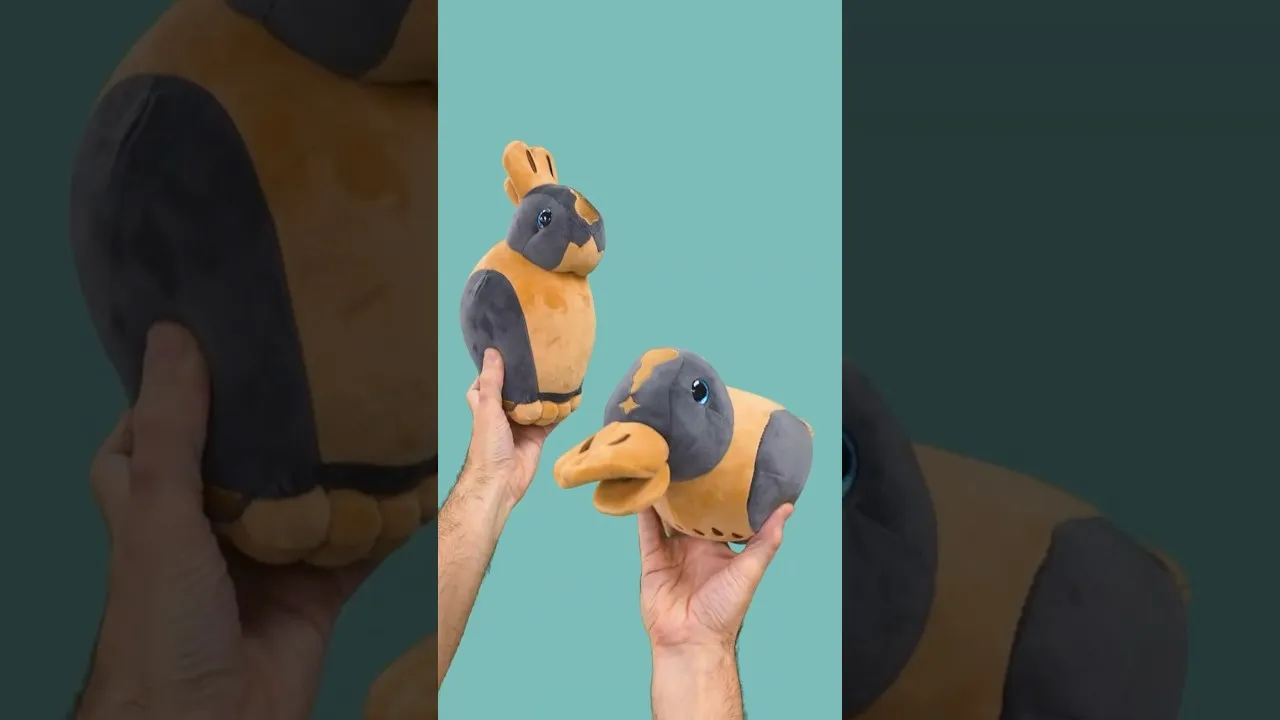
The core idea behind an ‘Ambutcutie’ is to merge the intriguing nature of optical illusions with the comfort and appeal of stuffed animals. The rabbit-duck illusion is a perfect starting point because it’s universally recognized and inherently ambiguous. It challenges our brain to see one thing, then another, and then both. By creating a physical representation, we aim to capture this playful confusion in a cuddly form.
Step 1: Understanding the Rabbit-Duck Illusion
The rabbit-duck illusion, first published in 1892 by Charles M. Shead, is a prime example of an ambiguous image. When you look at the image, you can perceive it as either a rabbit facing left (with its ears pointing up) or a duck facing right (with its beak pointing left). The key to its effectiveness lies in the shared lines and shapes that can be interpreted in two distinct ways. For our toy, we need to ensure that the design elements can evoke both the rabbit and the duck features clearly.
Step 2: Conceptualizing the Stuffed Toy Design
To create a huggable version, we need to translate the 2D illusion into a 3D form. This involves thinking about how the shapes can be constructed from fabric and stuffing. Consider the silhouette of the toy. Can it be designed so that from one angle, it suggests a rabbit, and from another, a duck? Or can the features be integrated in such a way that both are present simultaneously, relying on the viewer’s perception to switch between them?
Design Considerations:
- Overall Shape: The body should be amenable to both forms. A rounded, somewhat elongated body might work well.
- Key Features: The ears of the rabbit and the beak of the duck are crucial. How can these be integrated? Perhaps the ‘ears’ could also serve as the ‘beak’ depending on how they are oriented or perceived.
- Coloring and Texture: While not explicitly detailed in the source, using colors or patterns that don’t strongly favor one interpretation over the other can enhance the ambiguity.
Step 3: Prototyping and Material Selection
Once the design is conceptualized, the next step is prototyping. This would involve sketching the toy from multiple angles, creating paper patterns, and then cutting and sewing fabric pieces. For a stuffed animal, soft, plush fabrics are ideal. The stuffing should be firm enough to hold the shape but soft enough for hugging.
Material Suggestions:
- Fabric: Plush, minky, or fleece fabric in neutral or complementary colors.
- Stuffing: Polyester fiberfill is a common and effective choice.
- Thread: Strong, color-matched thread for durability.
- Tools: Sewing machine, needles, pins, scissors, fabric marker.
Step 4: Sewing and Assembly
The actual construction involves sewing the fabric pieces together according to your pattern. This is where the design comes to life. Careful stitching is essential to ensure the toy is durable and holds its shape. Pay close attention to how the key features – the parts that suggest either the rabbit or the duck – are attached and formed. The goal is to make these elements ambiguous, allowing the eye to shift between perceptions.
Expert Note: When designing ambiguous features, think about negative space and shared contours. The line that forms the rabbit’s ear on one side might also form the duck’s beak on the other, or vice versa. This clever integration is what makes the illusion work in a physical form.
Step 5: Embracing Ambiguity and Absurdity
The charm of the Ambutcutie lies in its embrace of the ambiguous and the absurd. In a world often seeking clear-cut answers, these toys offer a playful invitation to accept and enjoy uncertainty. The rabbit-duck toy is just the beginning. The concept can be extended to other optical illusions, creating a collection of ‘Ambutcuties’ that challenge perceptions and delight the imagination. This goes beyond a simple toy; it’s an object that engages with the viewer’s cognitive processes, making it a unique conversation piece and a source of endless amusement.
By creating this huggable illusion, you’re not just making a stuffed animal; you’re bringing a piece of perceptual art into your home. It’s a testament to the power of design to evoke wonder and a reminder that sometimes, the most interesting things are those that are both and neither.
Source: An Illusion You Can Hug (YouTube)