Creatine Withdrawal: What Happens When You Stop?
Creatine supplementation is a popular choice for individuals seeking to enhance muscle size, strength, and performance. But what occurs when you discontinue its use? Many users wonder if they will lose all their hard-earned gains or if there are strategies to preserve them. This article delves into the physiological changes your body undergoes after stopping creatine, addressing concerns about muscle mass, strength, cognitive function, and overall health.
Immediate Effects: Muscle Fullness and Water Weight
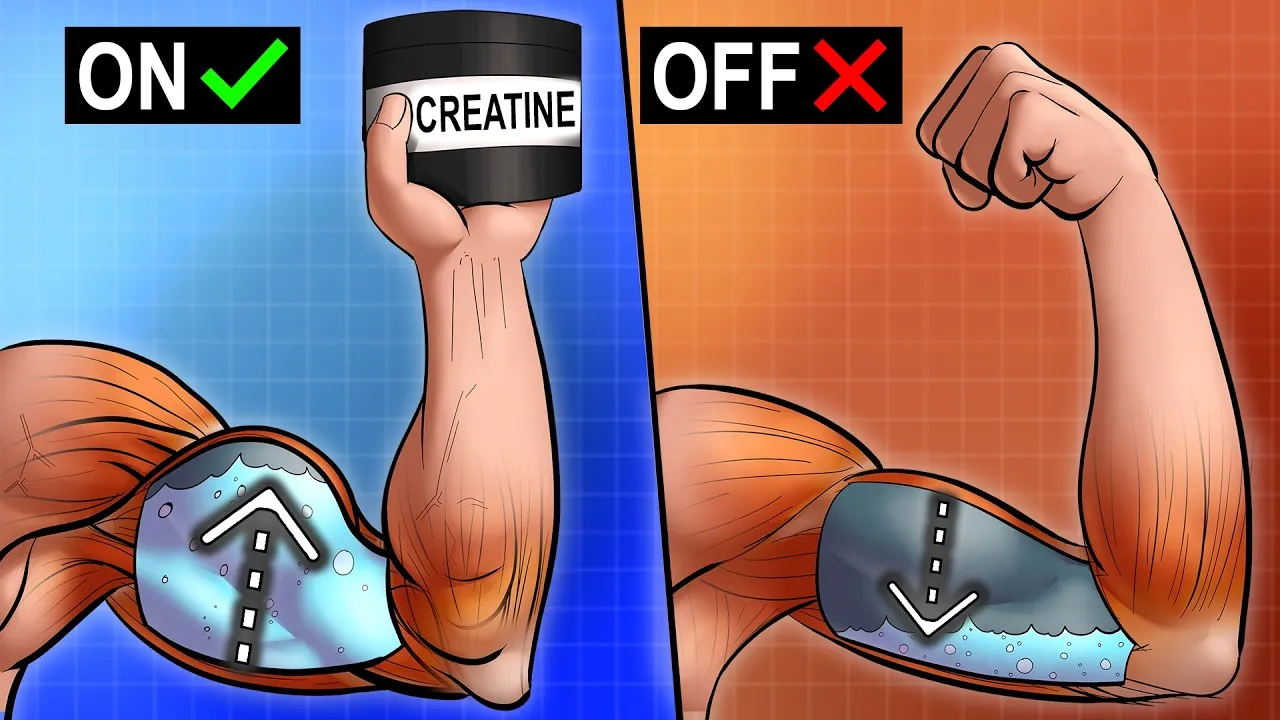
One of the most commonly reported effects after discontinuing creatine is a feeling of muscles appearing “flat.” This refers to a reduction in muscle fullness, pump, and definition. This phenomenon is primarily due to the decrease in intracellular water retention. Creatine supplementation draws water into muscle cells, making them appear larger and fuller. When you stop taking creatine, this excess water is gradually released, leading to a noticeable, though temporary, decrease in muscle volume. It’s crucial to understand that this is not actual muscle loss, but rather the shedding of water weight. This effect is often more pronounced in individuals who have been supplementing for an extended period, typically four to six weeks or longer.
Following the loss of water weight, individuals may also observe a slight decrease on the scale. This can range from 1 to 7 pounds within the first week after stopping creatine, depending on individual factors like the duration of supplementation and personal hydration levels.
Muscle Creatine Stores and Strength Recovery
Your body naturally produces creatine in the liver, kidneys, and pancreas from amino acids. Additionally, a typical diet, especially one rich in animal products like red meat and fish, provides about 1 to 2 grams of creatine daily. While supplementing significantly increases creatine levels, stopping supplementation doesn’t cause your muscle creatine stores to plummet instantly. Instead, it’s a gradual process. It generally takes about four to six weeks for muscle creatine levels to return to their pre-supplementation baseline.
This return to baseline can lead to a slight reduction in strength and power output. Creatine plays a vital role in regenerating adenosine triphosphate (ATP), the primary energy currency for high-intensity, short-duration activities like weightlifting and sprinting. By aiding in faster ATP replenishment, creatine enhances performance during these bursts. When you stop supplementing, your body’s capacity to regenerate ATP diminishes, which can result in a noticeable decrease in strength and power. You might experience more fatigue during workouts, potentially needing to reduce the weight or number of repetitions you can perform. For example, if you could complete nine reps with a certain weight while taking creatine, you might find yourself able to do only seven or eight reps after stopping.
This reduction in performance can indirectly contribute to a minor loss of muscle mass over time. Muscle growth is stimulated by progressive overload, which is achieved by consistently challenging your muscles. A slight decrease in strength and the ability to perform intense workouts could lead to less stimulus for muscle maintenance and growth.
Strategies to Retain Muscle Mass
To mitigate potential muscle loss after stopping creatine, maintaining workout intensity is key. Aim to lift the same weights for the same total number of reps as you did while supplementing, even if you experience increased fatigue. Focus on pushing yourself as much as you were before. Consistency in your training regimen is crucial.
Equally important is maintaining a robust diet that supports muscle maintenance and growth. Ensure you consume adequate protein, aiming for at least 0.75 grams per pound of body weight daily. A balanced diet rich in whole, single-ingredient foods—including lean proteins, fruits, vegetables, and complex carbohydrates—will provide the necessary nutrients for muscle recovery and preservation.
Cognitive Function and Focus
Creatine has also been shown to benefit cognitive function, particularly in tasks requiring short-term memory and quick thinking. Research, including studies involving sleep deprivation, has indicated that even a single high dose of creatine can help counteract fatigue-related cognitive decline. Other studies highlight its positive effects on memory, learning, and focus, especially during physical exertion.
Upon stopping creatine, these cognitive enhancements may subside. However, the impact on everyday cognitive function is typically subtle, and most individuals will not notice a significant difference in their daily activities. Any perceived decline in focus or short-term memory is usually minor.
Safety and Organ Health
Extensive research has established creatine as a safe supplement for long-term use. Numerous studies, some spanning over a decade, have found no adverse effects on organ health, including the kidneys and liver, in individuals with healthy organs. Even at doses higher than the commonly recommended 5 grams per day, creatine has not been shown to harm kidney function in healthy individuals.
One potential change observed in blood tests during creatine supplementation is a slight increase in creatinine levels. Creatinine is a byproduct of creatine metabolism. When your body has more creatine than it can use, some is converted into creatinine. This elevation in blood creatinine is not indicative of kidney damage and typically returns to baseline within a month or two after stopping creatine. Scientific reviews consistently show no negative impact on kidney function in healthy populations.
Non-Responders to Creatine
It’s important to note that not everyone responds to creatine supplementation. A significant portion of the population, estimated at up to 33% (or one in three people), are considered “non-responders.” These individuals may not experience the typical benefits of increased muscle water, strength, or growth, even with consistent supplementation. Reasons for non-responsiveness can include naturally higher baseline creatine levels or a lower proportion of fast-twitch muscle fibers.
If you are a non-responder, stopping creatine supplementation will likely result in no noticeable changes to your body whatsoever.
Key Health Takeaways
- Muscle Fullness: Expect a temporary loss of water weight, making muscles appear less full. This is not actual muscle loss.
- Strength and Performance: A slight decrease in strength and power output is possible as your body returns to baseline ATP regeneration.
- Retaining Muscle: Maintain workout intensity and a high-protein diet to preserve muscle mass.
- Cognitive Effects: Any subtle decline in focus or short-term memory is usually minor and temporary.
- Safety: Creatine is proven safe for long-term use with no adverse effects on kidney or liver health in healthy individuals.
- Non-Responders: Up to one-third of people may not experience benefits from creatine and will notice no changes upon stopping.
Disclaimer
This article is for informational purposes only and does not constitute medical advice. Always consult with a qualified healthcare provider or physician before making any decisions related to your health or treatment, or before starting, stopping, or changing any medication or supplement regimen.
Source: What Happens After Stopping Creatine (YouTube)