Debunk 5 Viking Myths: The Real Story Revealed
The Viking Age conjures images of fierce warriors in horned helmets, toasting their victories in enemy skulls, and disappearing in fiery boat funerals. While the reality of the Viking Age was undoubtedly complex and often violent, many popular depictions are rooted in myth rather than historical fact. This guide will delve into five common misconceptions about the Vikings, drawing on archaeological findings and historical accounts to present a more accurate picture of these fascinating people.
What You Will Learn
This article will debunk prevalent myths surrounding Viking culture, including their iconic horned helmets, the use of skulls as drinking vessels, their funerary practices, the nature of runic inscriptions, and the gender dynamics within Viking society. By the end, you will have a clearer understanding of the historical Vikings, moving beyond popular stereotypes to appreciate the nuances of their civilization.
Prerequisites
- An interest in history and the Viking Age.
Step 1: The Myth of the Horned Helmet
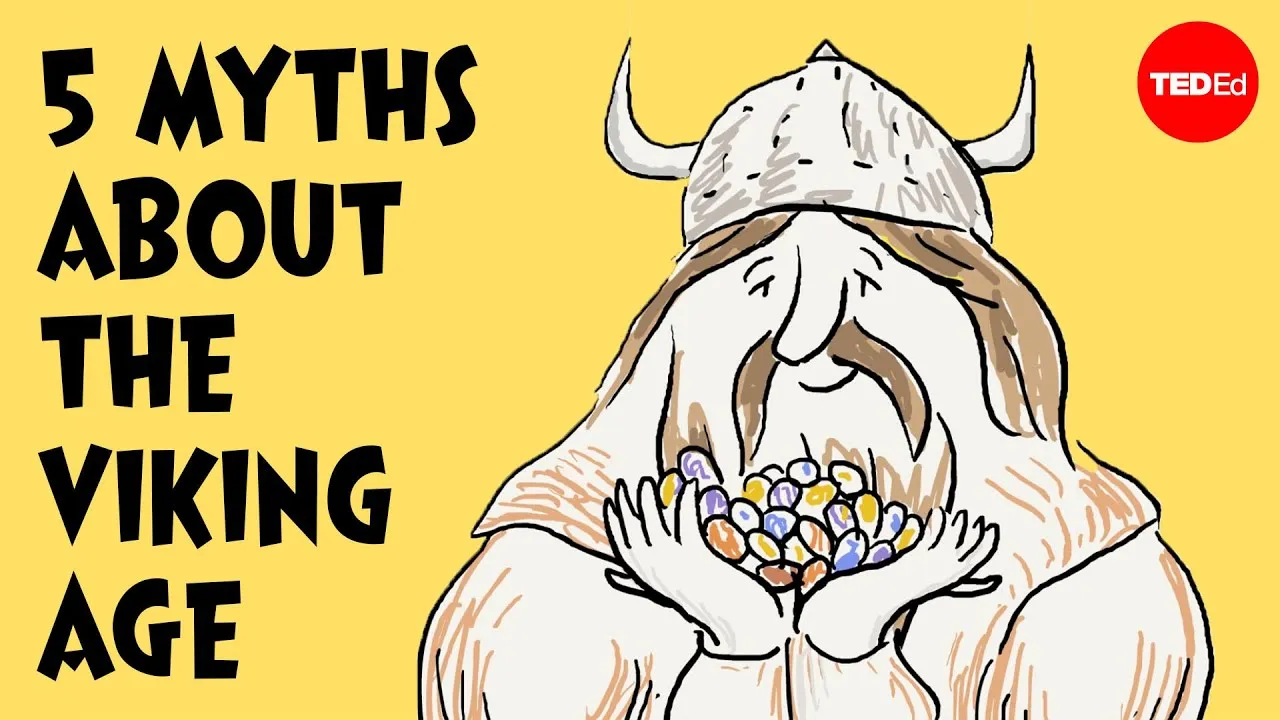
Perhaps the most enduring visual myth is that of the Viking warrior clad in a horned helmet. This iconic image, however, has no basis in historical reality. While archaeologists have indeed found Scandinavian helmets with horns, these artifacts predate the Viking Age by approximately 2,000 years and were likely used for ritualistic purposes, not for combat.
The Origin of the Myth
The popularization of the horned helmet image can be traced back to the 19th century, specifically to the elaborate stage productions of Richard Wagner’s opera cycle, “Der Ring des Nibelungen” (The Ring Cycle). These productions, aiming for dramatic effect and a romanticized depiction of Germanic history, incorporated horned helmets into their costumes. This visual trope proved highly influential and has since become synonymous with the Viking image in popular culture.
What Vikings Actually Wore
Historical and archaeological evidence suggests that high-status Vikings likely wore simple iron helmets, possibly featuring a brow ridge for added protection. For the average warrior, simpler leather caps may have been more common. The absence of horned helmets in actual Viking-era finds underscores their mythical status.
Step 2: Skulls as Goblets: Fact or Fiction?
Another gruesome myth portrays Vikings using the skulls of their defeated enemies as drinking vessels. While the Viking Age was certainly characterized by violence and raids, this specific practice is largely a fabrication, likely stemming from a mistranslation.
The Source of the Misconception
The idea of Vikings drinking from skulls seems to have originated from a 17th-century Danish scholar named Ole Worm. He reportedly mistranslated a text that referred to drinking from animal horns, leading to the misconception that human skulls were used. While the use of animal horns for drinking was common in many cultures, including those of Scandinavia, the use of human skulls is not supported by credible historical evidence from the Viking Age.
The Reality of Viking Raids
Viking raids were indeed brutal. They involved not only killing but also mass capture, enslavement, and the integration of captives into human trafficking networks or forced labor. However, the specific practice of using skulls as goblets appears to be a myth rather than a reflection of Viking customs.
Step 3: The Enigma of Viking Funerary Practices
Popular media often depicts Vikings with elaborate, fiery boat funerals. While burnings and boat burials did occur, the reality of Viking funerary customs was far more diverse and less theatrical than often portrayed.
Diverse Burial Rites
Vikings practiced a range of funerary rites. Some individuals were cremated, while others were buried. Boat burials, where the deceased and grave goods were placed on a ship or boat before burial or burning, were a high-status practice reserved for certain individuals. The famous account by the 10th-century Arab traveler Ibn Fadlan describes a burning boat funeral, but it’s debated whether the individuals involved were actually Vikings, and the ceremony itself included elements like sexual violence and human sacrifice, which may not be representative of all Viking funerals.
Modern Inventions
The dramatic and often violent depictions of Viking funerals seen in modern media are likely imaginative interpretations rather than accurate historical accounts. The true diversity of their burial practices, encompassing both simple burials and more elaborate ceremonies, offers a more nuanced understanding of their beliefs about the afterlife.
Step 4: Runes: More Than Just Mysterious Symbols
Vikings are often associated with mysterious runes, supposedly used for cryptic prophecies or magical inscriptions. While runes did hold significance, their use was broader and more practical than commonly believed.
The Origins and Use of Runes
The runic alphabet, known as the Elder Futhark, originated among Germanic peoples around the 2nd century CE. Runes were used for a variety of purposes, including inscriptions on tools, weapons, jewelry, and memorial stones. They could be used for practical matters, such as marking ownership or commemorating events, as well as for bridging the physical and spiritual worlds.
Limited Narrative Scope
However, Viking Age runes typically did not record extensive narratives or detailed historical accounts. The Old Norse language only developed into a literary form with a wider narrative scope after Christianized Icelandic scholars adopted the Latin script around the 12th century. Therefore, most contemporary accounts of Viking activities come from external sources, such as the writings of their victims or travelers, offering a limited perspective on how Vikings viewed themselves.
Step 5: The Question of Viking Gender
While Viking society is often perceived as exclusively male-dominated in its warrior roles, archaeological discoveries suggest a more complex picture regarding gender and status.
Evidence of Female Warriors
Viking society was undeniably patriarchal. However, the discovery and reinterpretation of certain gravesites challenge simplistic notions of gender roles. A notable example is the excavation of a high-status warrior grave in the 10th century, which, based on a 2017 analysis of skeletal remains, was found to be female. This discovery, alongside others, suggests that women may have held positions of power and influence, possibly even participating in warfare or holding significant status.
Social Complexity
These findings highlight the limitations of our understanding of Viking social structures. While the majority of warriors were likely men, the possibility of female warriors or individuals of high status who defied traditional gender norms adds a layer of complexity to the historical narrative. It underscores the importance of ongoing archaeological research in refining our understanding of the past.
Conclusion: Moving Beyond the Myths
The Viking Age, spanning roughly three centuries, was a period of significant cultural, technological, and social development. While raids and warfare were part of their history, the popular image of Vikings is heavily influenced by later romanticizations and misinterpretations. By examining the evidence, we can move beyond the myths of horned helmets and skull goblets to appreciate the rich and complex reality of Viking life, their diverse customs, and their lasting impact on history.
Source: 5 myths about Vikings that everyone believes – Stephanie H. Smith (YouTube)