Viral Health Trends Under Scrutiny: A Doctor’s Perspective
Social media platforms like TikTok are awash with health trends, from miracle supplements to unconventional wellness practices. While some trends offer genuine benefits, many are misleading, ineffective, or even potentially harmful. This article delves into some of these viral health claims, offering a medically informed perspective to help you navigate the complex world of online wellness advice.
Vibration Plates: A Surprising Benefit for Digestion?
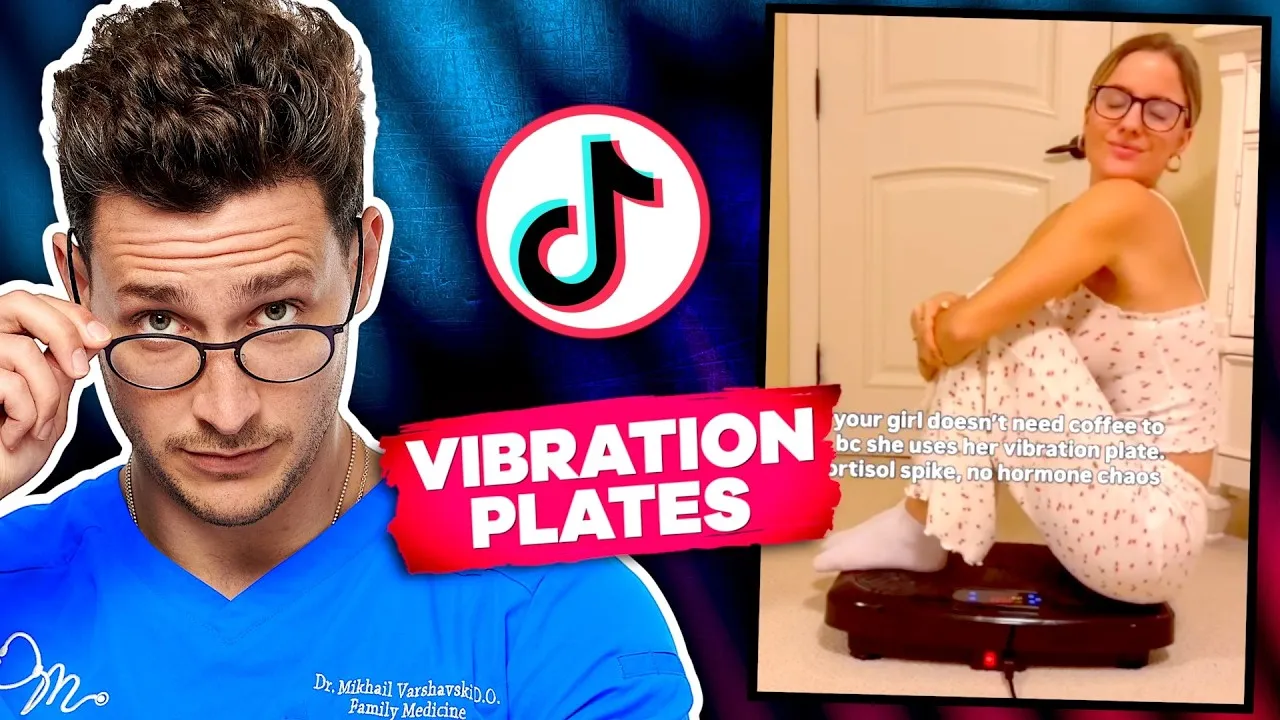
One trending wellness tool is the vibration plate, with some users claiming it aids in bowel movements without the need for stimulants like coffee. While this might sound unusual, there’s a surprising connection to a medical treatment for kidney stones. Studies have shown that the motion of roller coasters can help patients pass kidney stones. While not a direct recommendation for using vibration plates for this purpose, it suggests that certain types of physical motion might indeed have therapeutic effects. If a vibration plate helps with digestive regularity without causing hormonal disruption, it could be a beneficial tool for some individuals.
The Rise of “Longevity Mixes” and Supplement Stacks
The pursuit of longevity has fueled a massive market for supplements and wellness products. Some creators are attempting to consolidate numerous supplements into a single liquid mix, often referred to as a “longevity mix.” However, experts caution against the idea of a single “magic potion” for living longer. While targeted supplementation can be beneficial, the effectiveness and necessity of massive supplement stacks are often debated. The sheer volume of pills and the cost associated with these “stacks” can be substantial. Creating a palatable liquid form may simplify intake, but it doesn’t necessarily equate to enhanced longevity or superior health benefits. It’s crucial to approach such products with skepticism and focus on foundational health practices.
Human Babies: The Ultimate “Product”?
In a darkly humorous take on product reviews, some social media content has framed human babies as products. While this is clearly a satirical commentary, it highlights how the language of consumerism can sometimes be applied inappropriately to profound life experiences. Medical professionals emphasize the importance of understanding infant development, including reflexes and physical assessments, rather than viewing a baby through the lens of a product review. The “side effects” of having a baby, such as decreased sleep and increased purpose, are life-altering, not consumer feedback.
Apples, Ice Cream, and Dietary Nuances
The adage “an apple a day keeps the doctor away” is a familiar one. Apples are indeed a good source of fiber and phytonutrients. However, even seemingly healthy habits don’t negate the need for regular medical check-ups and professional advice. Conversely, even foods perceived as less healthy, like ice cream, can be part of a balanced diet. Dr. Ezekiel Emanuel’s perspective suggests that moderation is key, and dairy can be a source of nutrients. The focus should be on overall dietary patterns rather than demonizing individual foods.
Rabies and Pet Encounters: A Serious Concern
Social media posts sometimes downplay serious health risks. The idea of intentionally trying to contract rabies is alarming and dangerous. Rabies is a fatal disease, and while prevention through vaccination is key, understanding transmission is crucial. Domesticated animals, particularly cats in some regions, can be carriers. A bite from a potentially rabid animal necessitates immediate medical attention, including a series of post-exposure prophylaxis injections. Do not take risks with rabies; seek professional medical care if exposed.
“Wet” Coughs and Ear Care: Misinformation Abounds
Discussions about symptoms like a “wet cough” can be important diagnostic clues for healthcare providers. However, the advice given in some viral content regarding ear care is concerning. Doctors strongly advise against putting anything into the ear canal, including cotton swabs (Q-tips). The ear canal naturally cleans itself, and introducing foreign objects can lead to impaction, injury, or infection. What might feel like “wetness” is often normal earwax (cerumen), which serves a protective function. If you experience persistent discomfort, hearing changes, or excessive discharge, consult a doctor.
Medical Over-Intervention and Tattoo Risks
There’s a trend of medical over-intervention, where procedures like sedation or intubation are considered for non-critical issues, such as detangling hair. While medical procedures are safe under the care of professionals, they should not be undertaken unnecessarily due to inherent risks. Similarly, while large tattoos are a form of artistic expression, emerging research suggests an association between large tattoos and an increased risk of lymphoma. While this is an association and not necessarily a direct cause-and-effect relationship, it’s a factor to consider when weighing the decision to get tattooed.
Gym Equipment and Training Principles
The effectiveness of specialized gym equipment, even when used by elite athletes like Ichiro Suzuki, is worth examining. Some unique machines designed to strengthen rotational athletes through a full range of motion can offer benefits, particularly when used under supervision. Strengthening muscles in a fully extended position can be valuable. However, these unconventional methods should ideally complement, not replace, traditional strength training, especially for novice individuals.
Kitchenware and Food Safety
When preparing food, the tools you use matter. Certain types of black plastic utensils, particularly those made from recycled electronics plastics, may contain flame retardants that can be hazardous. Opting for stainless steel or wood utensils, or plastics confirmed to be food-safe and free from such contaminants, is a safer choice. Furthermore, many “fat-free” sauces and dressings compensate for the lack of fat with added sugars, making them less healthy than perceived. Always read ingredient labels carefully.
Biohacking and Sleep Technology
The “biohacking” sphere offers various technologies aimed at optimizing health. Products like the Eight Sleep mattress, which regulates temperature during sleep, are noted for their potential benefits. Poor sleep quality, often linked to overheating, can be improved by maintaining a cool sleeping environment. While many biohacking trends lack robust scientific backing, some innovations, like advanced sleep temperature regulation, may offer tangible improvements in sleep quality.
Herpes and HPV: Prevalence and Misconceptions
Sexually transmitted infections (STIs) like herpes (HSV) and human papillomavirus (HPV) are common. A significant percentage of the population may carry these viruses, often asymptomatically. While herpes can manifest as sores, particularly on the lips (HSV-1) or genitals (HSV-2), many infections go unnoticed. It’s important to have open conversations about sexual health and practice safe sex to prevent transmission.
Footwear and Gait Analysis
The way shoes wear down can provide clues about a person’s gait. Excessive wear on the outside of a shoe might indicate underpronation (supination), while wear on the inside suggests overpronation. While specialized shoes with cushioning or medial posts aim to correct these patterns, comfort is paramount. The most effective approach is often finding footwear that feels comfortable and supportive for your individual needs, rather than strictly adhering to a specific shoe type based on gait analysis alone.
Prosthetics and Customization
Innovations in prosthetic limb design are transforming the lives of individuals with limb differences. Influencers and designers are creating unique, customized prosthetic covers that blend functionality with personal style. These advancements highlight the intersection of technology, art, and personal expression in adaptive equipment.
Social Media Reactions and Medical Authority
Navigating online reactions to health advice can be challenging. Doctors who share information on social media, like Dr. Mike, often face criticism, sometimes from individuals questioning their credentials or the advice given. It’s important to distinguish between evidence-based information and unsubstantiated claims. Doctors who see patients, train other medical professionals, and engage in public health education provide valuable, credible insights. The argument that “natural” is always better is flawed; many natural substances can be harmful, and modern medicine often relies on synthesized treatments that are rigorously tested for safety and efficacy. Similarly, while exercise is a stressor, it’s a beneficial one that strengthens the body. The misuse of terms like “hormone disruptor” or claims about “natural cures” for serious diseases like Parkinson’s or MS often lack scientific validation.
Nicotine and Disease: Separating Fact from Fiction
Claims that nicotine is a cure for various diseases, including Parkinson’s, MS, and ulcerative colitis, are largely unsubstantiated or misrepresented. While there is some limited evidence suggesting nicotine might play a role in managing mild ulcerative colitis, it is not a cure and carries significant risks. Nicotine patches are used in specific clinical settings, such as for patients unable to smoke, but not as a broad treatment for other conditions. The promotion of nicotine as a panacea is dangerous and echoes the tactics of the tobacco industry.
Conclusion: Prioritize Evidence-Based Health
The proliferation of health information on social media necessitates a critical approach. Always prioritize advice from qualified healthcare professionals and consult your doctor before making significant changes to your diet, exercise, or supplement regimen. Remember, this article is for informational purposes and does not constitute medical advice.
Key Health Takeaways
- Be skeptical of “miracle cures” and “longevity mixes” promoted on social media.
- Consult your doctor before trying new supplements or wellness devices.
- Do not put anything into your ear canal; seek medical advice for ear discomfort.
- Understand that medical procedures carry risks and should only be performed when necessary.
- Be wary of claims that natural substances are always superior to scientifically developed treatments.
- Prioritize evidence-based health information and consult healthcare professionals for accurate medical advice.
Source: Your Doctor's Least Favorite TikToks (YouTube)