How to Understand Nature’s Ultimate Impostor: The Blowfly Larva
In the intricate world of nature, deception is a powerful survival tool. This article delves into the fascinating strategy of the blowfly larva, a creature that has evolved an extraordinary ability to infiltrate and thrive within the highly secure societies of termites. You will learn how this larva uses a combination of physical mimicry, olfactory camouflage, and social adaptation to become an accepted member of a termite colony, effectively living a life of deception.
Understanding the Blowfly Larva’s Deception Strategy
The blowfly larva is a prime example of extreme social adaptation, managing to fool an entire superorganism – the termite colony. This infiltration is not a simple trick; it involves a sophisticated multi-sensory deception that bypasses the termites’ natural defenses.
Step 1: The Art of the Fake Face – Physical Mimicry
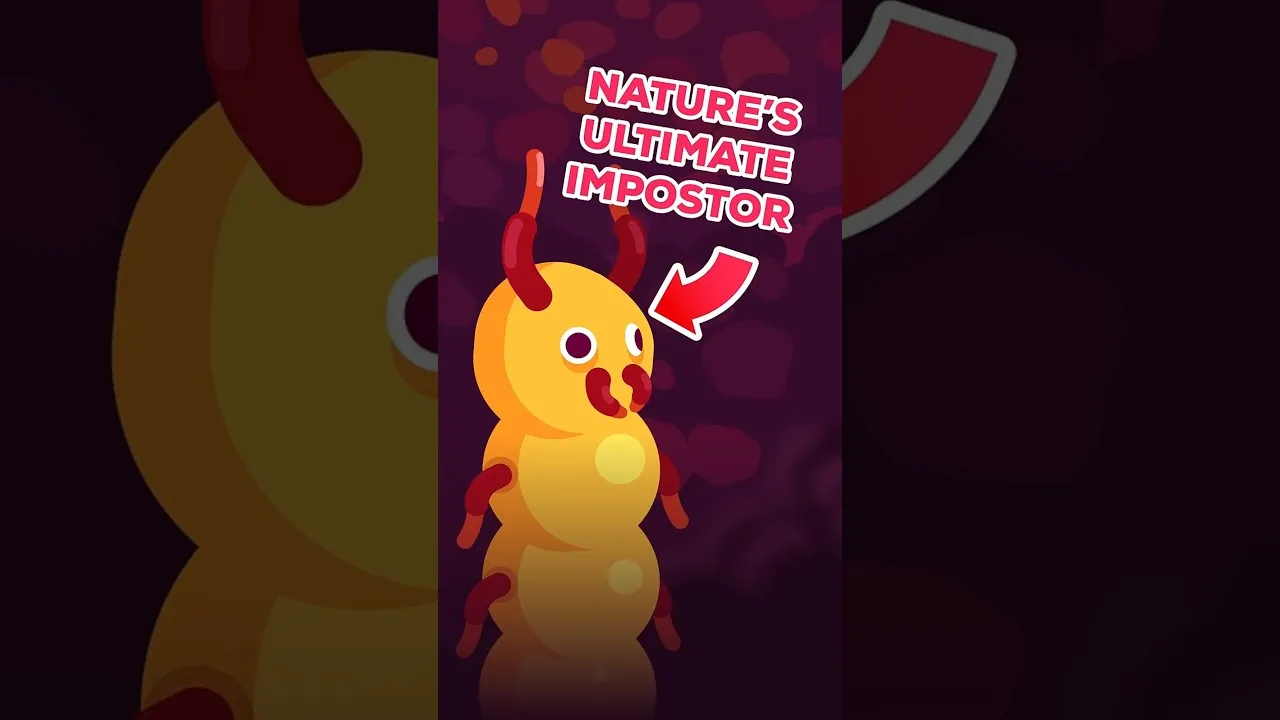
The larva’s primary tool for deception is its remarkable physical appearance. It sports a “fake face” on its posterior end, which serves as a sophisticated disguise. This “mask” is crucial for its survival and integration into the termite nest.
The “Eyes” and Tentacles
What appear to be eyes on the larva’s mask are actually specialized breathing holes. Surrounding these are unusual tentacles. These tentacles are not random appendages; they are meticulously shaped to mimic the antennae of larger harvester termites. This detailed imitation is vital, as antennae are primary sensory organs for termites, used for communication and identification within the colony.
Expert Note: The precision of this mimicry is key. Termites rely heavily on tactile and chemical cues from antennae to identify colony members and potential threats. By replicating these structures, the larva immediately bypasses a critical identification checkpoint.
Step 2: Blending In – Olfactory and Chemical Camouflage
Physical appearance is only one part of the larva’s elaborate disguise. To truly infiltrate the termite nest, it must also match the colony’s scent profile.
Matching Colony Scents and Flavors
Termite colonies possess a unique scent signature, often referred to as colony odor. This odor is a complex blend of hydrocarbons produced by the termites themselves, which helps them recognize nestmates. The blowfly larva has evolved to perfectly match this colony scent. Furthermore, it mimics what scientists call “sub-colony flavors,” suggesting an even more nuanced adaptation to the specific chemical environment of the termite nest it inhabits.
Warning: Olfactory deception is a critical layer of defense for many social insects. Even a slight deviation in scent can trigger an aggressive response from soldier termites, who are programmed to eliminate intruders.
Step 3: Social Integration – Fooling the Guardians
Once past the initial physical and olfactory barriers, the larva must navigate the social dynamics of the termite colony. Soldier termites, the colony’s defenders, are typically aggressive towards anything that doesn’t belong.
Appearing as “Family”
The larva’s combined disguise – its “mask” and scent mimicry – successfully fools these soldier termites. Instead of attacking, they perceive the larva as a member of their own colony. This allows the larva to move freely within the nest, even in the busiest areas.
Grooming and Communication
Remarkably, the deception goes even further. Scientists have observed the blowfly larvae being groomed by termites, a behavior typically reserved for fellow colony members. There is also evidence of communication between the larvae and termites, including behaviors resembling trophallaxis (mouth-to-mouth feeding), which is a significant form of social interaction and nutrient sharing in insect colonies.
Expert Note: The observation of trophallaxis-like behavior is particularly striking. It suggests a level of integration so deep that the larva is not just tolerated but actively participates in core social activities, receiving care and potentially even food from the termites.
Step 4: The Evolutionary Significance
The blowfly larva’s strategy represents a profound evolutionary adaptation. Infiltrating a termite superorganism requires overcoming formidable “firewalls” of visual, tactile, and olfactory defenses.
A Recent Evolutionary Transition?
Current research suggests that this behavior in blowflies might be a relatively recent evolutionary development. It appears to be independent of similar mimicry strategies observed in other insects, such as humpback flies, which evolved similar tricks roughly 150 million years ago. This independence highlights the diverse and convergent paths evolution can take when faced with similar ecological pressures.
Tip: The ongoing research into blowfly larvae and termite interactions underscores how much we still have to learn about the complex relationships in the natural world. The study of such “impostors” can reveal fundamental principles of social organization and evolutionary adaptation.
Conclusion: Nature’s Masks All Around Us
The blowfly larva’s ability to infiltrate termite nests is a testament to the power of adaptation and deception in the natural world. By mastering physical mimicry, olfactory camouflage, and social integration, this larva achieves a level of deception that allows it to thrive in one of nature’s most secure environments. This remarkable case prompts us to consider what other “masks” might be present, hidden in plain sight, within the ecosystems around us.
Source: Nature’s Ultimate Impostor (YouTube)