Discover the Hidden Dangers of Asbestos Exposure
Asbestos, once hailed as a miracle material for its fire-resistant properties, has a dark and dangerous side. This article will delve into the history of asbestos, its widespread use, and the severe health risks associated with its exposure. You will learn about how asbestos was used in everyday products, the scientific understanding of its dangers, and the long-standing cover-ups by the industry. Finally, we will explore the ongoing presence of asbestos in unexpected places and the importance of staying informed.
What is Asbestos?
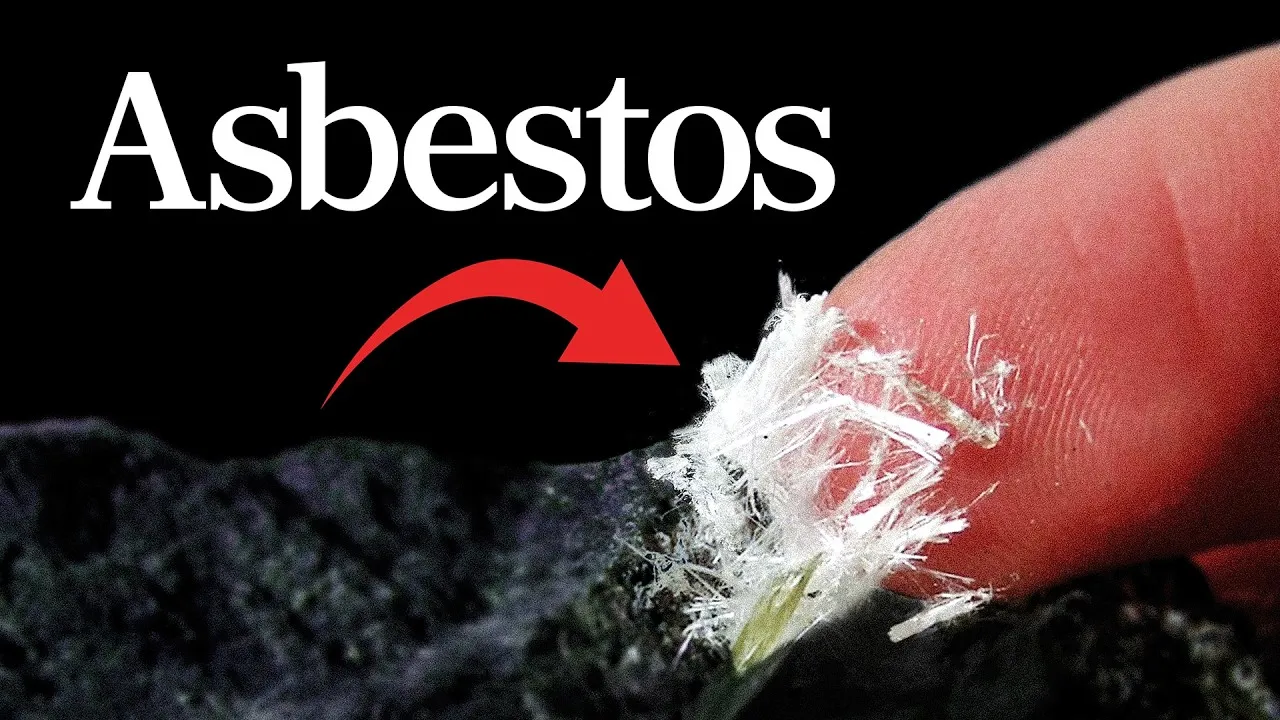
Asbestos is a naturally occurring mineral. Its core building block is a silicon atom surrounded by four oxygen atoms, forming a stable pyramid-shaped unit called a silica tetrahedron. These tetrahedra link together to form incredibly strong and stable structures. What makes asbestos unique is how these units link up, often forming tiny scroll-like tubes. These fibers are exceptionally stable and can withstand high temperatures, up to around 600 degrees Celsius. This property made asbestos seem like a revolutionary material, leading to its widespread adoption.
A History of Fireproofing and Its Perils
The ancient Greeks discovered asbestos, marveling at its ability to form wicks that would burn for a year without being consumed. Its fire-resistant nature made it ideal for applications where fire was a significant threat. In the 19th century, with rapid urbanization and wooden structures, fires were a devastating problem in cities worldwide. Asbestos was incorporated into building materials, such as roofing and insulation, to make structures more fire-resistant. This innovation, while seemingly beneficial, laid the groundwork for widespread exposure.
By the mid-20th century, asbestos was integrated into an astonishing array of products: brake pads, toasters, hair dryers, surgical dressings, and even toothpaste for extra polish. Fake snow used in holiday decorations and in films like ‘The Wizard of Oz’ also contained asbestos. Its versatility and perceived safety led to massive global production, peaking in the late 1970s.
The Different Forms of Asbestos
Asbestos is not a single mineral but a group of six fibrous minerals. The most common type is chrysotile, a serpentine mineral. Other types include amphiboles, such as amosite (brown asbestos) and crocidolite (blue asbestos). These different forms have distinct fiber structures, with amphiboles forming long, needle-like fibers that are exceptionally strong and flexible. These variations were used in different applications, from cement panels to chemical-resistant insulation and filters.
The Unseen Danger: Health Risks of Asbestos Exposure
The very properties that made asbestos useful also made it incredibly dangerous when inhaled. When asbestos-containing materials are disturbed, microscopic fibers are released into the air. These fibers can be inhaled deep into the lungs.
- Inhalation of Fibers: When asbestos fibers are inhaled, they travel down the respiratory tract and can lodge deep within the lung tissue and the lining of the chest cavity (pleural cavity).
- Body’s Response: The body’s immune cells, called macrophages, attempt to engulf and digest these foreign fibers. However, asbestos fibers are too long and stiff for the macrophages to break down.
- Inflammation and Scarring: This futile attempt by the macrophages leads to the release of inflammatory chemicals, which damage surrounding lung tissue. This chronic inflammation causes scarring, leading to a condition known as asbestosis.
- Cancer Development: The persistent irritation and DNA damage caused by asbestos fibers can trigger cancerous changes in cells. This can lead to lung cancer and, more specifically, mesothelioma, a rare cancer of the lining of the chest or abdominal cavities. Asbestos fibers can also migrate through the lymphatic system, potentially causing cancers in other organs throughout the body.
The diseases linked to asbestos exposure often have a long latency period, meaning symptoms may not appear for decades after exposure. Tragically, the diseases caused by asbestos exposure have led to a significant number of deaths, far exceeding the immediate casualties of events like the World Trade Center collapse, where pulverized asbestos was released into the air.
Industry Cover-Ups and Legal Battles
Despite mounting evidence of asbestos’s dangers, beginning in the early 20th century, the asbestos industry engaged in a concerted effort to conceal the risks. Companies knew about the health hazards through internal studies and worker health reports.
- Early Warnings Ignored: As early as the 1920s and 1930s, medical professionals began publishing studies linking asbestos exposure to lung disease (asbestosis) and cancer.
- Suppression of Research: Industry leaders actively worked to suppress research findings that indicated asbestos was dangerous. They controlled the release of studies, ensuring that any information detrimental to their business was buried or discredited.
- Misleading Marketing: Asbestos continued to be marketed as a safe and miraculous material, even as evidence of its harm grew. Companies like Johns-Manville and Raybestos Manhattan were central to these efforts.
- Legal Defenses: When lawsuits began to mount, the industry often used the defense that they were unaware of the dangers. However, internal documents, like the Sumner Simpson papers, revealed a deliberate strategy of minimizing publicity and concealing the truth.
- Bankruptcy as a Shield: Some companies, like Johns-Manville, filed for bankruptcy not because they were financially ruined, but as a tactic to shield themselves from the overwhelming number of asbestos-related lawsuits.
The legal battles over asbestos have been protracted and complex. While regulations were introduced, loopholes and legal technicalities have allowed asbestos to persist in various forms and applications. For instance, an attempt by the EPA in 1989 to phase out most asbestos uses was overturned by courts due to a narrow legal standard.
Asbestos Today: An Ongoing Threat
Despite decades of awareness and regulation, asbestos continues to be a problem. In recent years, asbestos has been detected in unexpected places:
- Cosmetics: Traces of asbestos have been found in talc-based powders and other makeup products, including those marketed to children.
- Children’s Toys and Products: Asbestos has been discovered in items like children’s play sand, crayons, and fingerprint kits.
- Building Materials: While less common in new construction, older buildings may still contain asbestos-containing materials, posing a risk during renovation or demolition.
The challenge lies in the definition of asbestos itself. Regulatory bodies often focus on specific types of asbestos minerals, potentially overlooking other fibrous materials that could pose similar health risks. The ongoing presence of asbestos in consumer products highlights the need for continued vigilance, rigorous testing, and public awareness.
Staying Informed
The story of asbestos serves as a stark reminder of the importance of transparency and accountability. Public health information, especially concerning hazardous materials, should not be obscured by industry influence or partisan news coverage. Utilizing reliable news sources that provide comprehensive and unbiased reporting is crucial for understanding and addressing such critical issues.
Source: Asbestos is a bigger problem than we thought (YouTube)