Discover the Surprising History of Hats
Hats are more than just head coverings; they are powerful symbols that have shaped history, expressed identity, and even endangered the lives of those who made them. From ancient times to modern fashion, hats have played a significant role in human civilization. This article explores the fascinating evolution of headwear, revealing its connections to art, politics, social status, and craftsmanship.
What You Will Learn
- The ancient origins and early examples of headwear.
- How hats have been used as symbols of freedom and political movements.
- The role of hats in denoting social status and wealth.
- The dangerous history behind hat-making, particularly the top hat.
- The enduring popularity and commercial success of the modern baseball cap.
1. Ancient Origins of Headwear
Humans have been adorning their heads since the dawn of civilization. The earliest surviving examples of hats include a simple bearskin cap from the Bronze Age, discovered alongside Ötzi the Iceman in the Alps. However, even older depictions exist. Some scholars believe the “Venus of Willendorf,” a Paleolithic figurine dating back around 30,000 years, represents woven headgear, making it potentially the earliest known depiction of a hat.
2. Hats as Symbols of Freedom and Politics
Beyond protection from the elements, hats have served as potent political symbols. The pileus cap, popular in ancient Rome and Greece, was a significant emblem of liberty. In the Roman Republic, it was publicly given to formerly enslaved individuals as a sign of their freedom, symbolizing personal and political emancipation. Centuries later, during the 18th century, American and French revolutionaries adopted the similar-looking Phrygian cap. This red cap became an emblem of their revolutionary cause, famously represented by Marianne, the personification of the French Republic, who is often depicted wearing one.
3. Projecting Status and Power Through Headwear
In Western Europe during the 15th century, headwear was a clear indicator of social rank and royal extravagance. The hennin, a tall, often bejeweled headdress, was a popular choice among the women of the Burgundy Court. These elaborate creations, made from expensive silks, came in various forms, including flat-topped styles and the striking double-coned escoffion. The height of the hennin was strictly regulated by social standing; princesses could wear hennins up to a meter high, while noblewomen were restricted to shorter designs. These ostentatious hats were not without controversy, often drawing criticism from clerics and moralists who deemed their flashy designs impious.
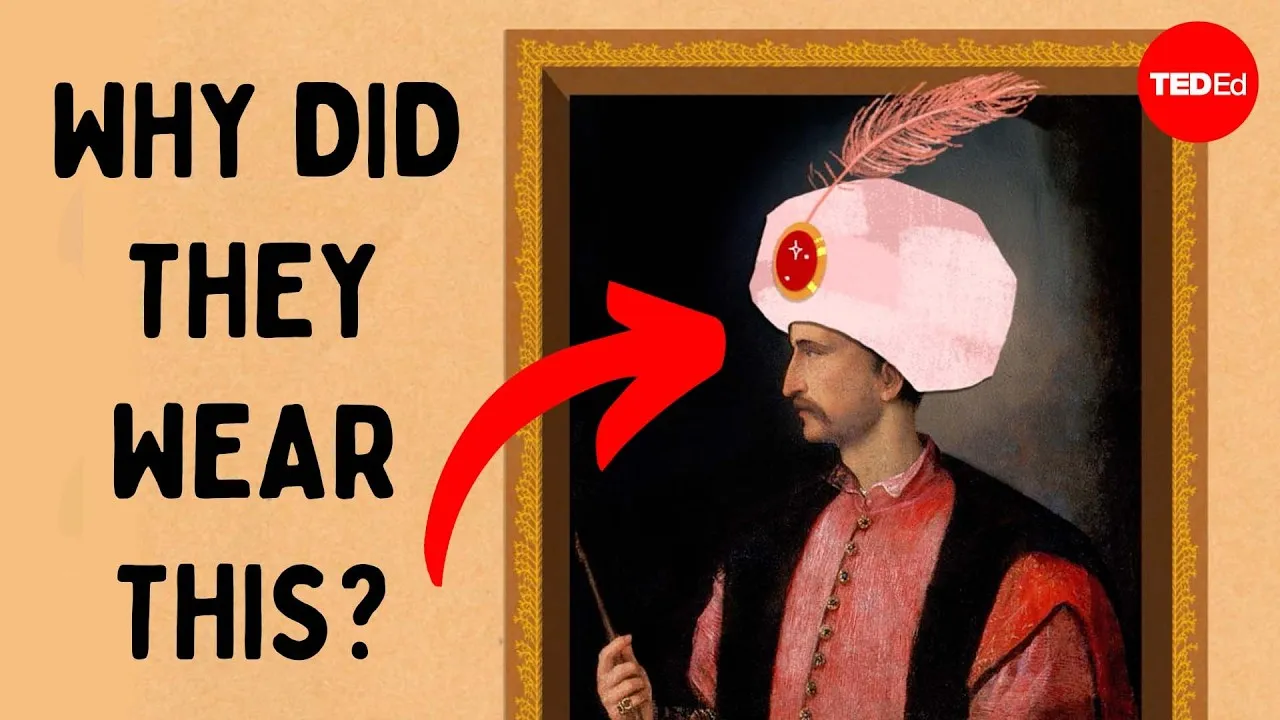
Centuries later, Suleiman the Magnificent, the longest-reigning sultan of the Ottoman Empire, was known for his impressive military achievements and even more daring headgear. His signature bulb-shaped turbans were often adorned with diamonds and feathers. He also possessed a grand, four-tiered golden helmet. However, some historians suggest this helmet may not have been intended for actual wear but rather as a display of his immense power and wealth to rivals.
4. The Dangerous Craft of Hat Making
The history of some hats is tied to the dangerous processes involved in their creation. The sleek British top hat, introduced in the early 19th century as powdered wigs faded from fashion, has a particularly hazardous past. Originally crafted from animal fur, such as beaver felt, hat makers would treat the material with a solution containing toxic mercuric nitrate. This chemical process improved the felt’s quality and density, making it ideal for hats. However, working in poorly ventilated spaces with prolonged exposure to mercury led many hatters to suffer from mercury poisoning. Symptoms included irritability, slurred speech, memory loss, and tremors. The character of the Mad Hatter in Lewis Carroll’s “Alice in Wonderland” is a poignant, though fictionalized, reference to this real occupational hazard.
Fortunately, by the late 1800s, increased awareness of mercury’s dangers led to bans on its use in many countries, significantly improving the safety of hat-making.
5. The Modern Hat: The Baseball Cap
While top hats, bowlers, and bonnets largely disappeared from everyday fashion over the 20th century, one type of hat continues to dominate the market: the baseball cap. Originating as a practical component of baseball uniforms, the baseball cap transitioned to street style in the 1960s. Its success can be attributed to its cost-effective production, adjustable fit, and the ease with which logos, badges, and trademarks can be integrated. This versatility has driven its mass commercialization. In the United States, it’s estimated that baseball caps alone account for approximately 80% of the entire hat market.
As fashion evolves, the future of headwear remains open. It’s exciting to consider what new hat styles might capture our attention—and our heads—in the years to come.
Source: Nobility, rebels, and mad hatters: A brief history of hats – Alison L. Goodrum (YouTube)