Doctor Explains Strange Addictions: Risks and Realities
A recent exploration of unusual behaviors, featured on “My Strange Addiction,” has prompted a medical professional to weigh in on the potential health implications of these practices. While the show often garners reactions ranging from amusement to disbelief, a doctor’s perspective highlights the underlying health risks and the importance of understanding the psychology behind such compulsions. This article delves into the medical insights shared, offering a clearer view of why these habits, however strange they may seem, warrant serious consideration from a health standpoint.
Unusual Eating Habits and Their Dangers
One individual featured in the show consumes all their food by blending it and then ingesting it through their nasal passages. While the individual claims this avoids unpleasant textures, the doctor emphasizes significant health risks. “The nasal passageways are not equipped to handle food in this way,” the doctor explains, citing increased risks of sinusitis, Eustachian tube dysfunction (which can lead to ear infections), and potential issues with the nasal septum. A more serious concern is the risk of aspiration, where food enters the airway, potentially leading to inflammatory pneumonitis or aspiration pneumonia.
Another case involves an individual who eats their toenails, a practice they use to cope with anxiety. The doctor points out the immediate risks of paronychia (infections of the nail fold) and cellulitis. Beyond infections, the act of consuming keratin, the primary component of nails, is not easily digested or absorbed by the body and can cause trauma to the digestive tract. Furthermore, if the individual has underlying conditions like diabetes, poor circulation in the feet could exacerbate any minor trauma or infection, potentially leading to severe complications, including amputation.
The Perineum Sunning Phenomenon
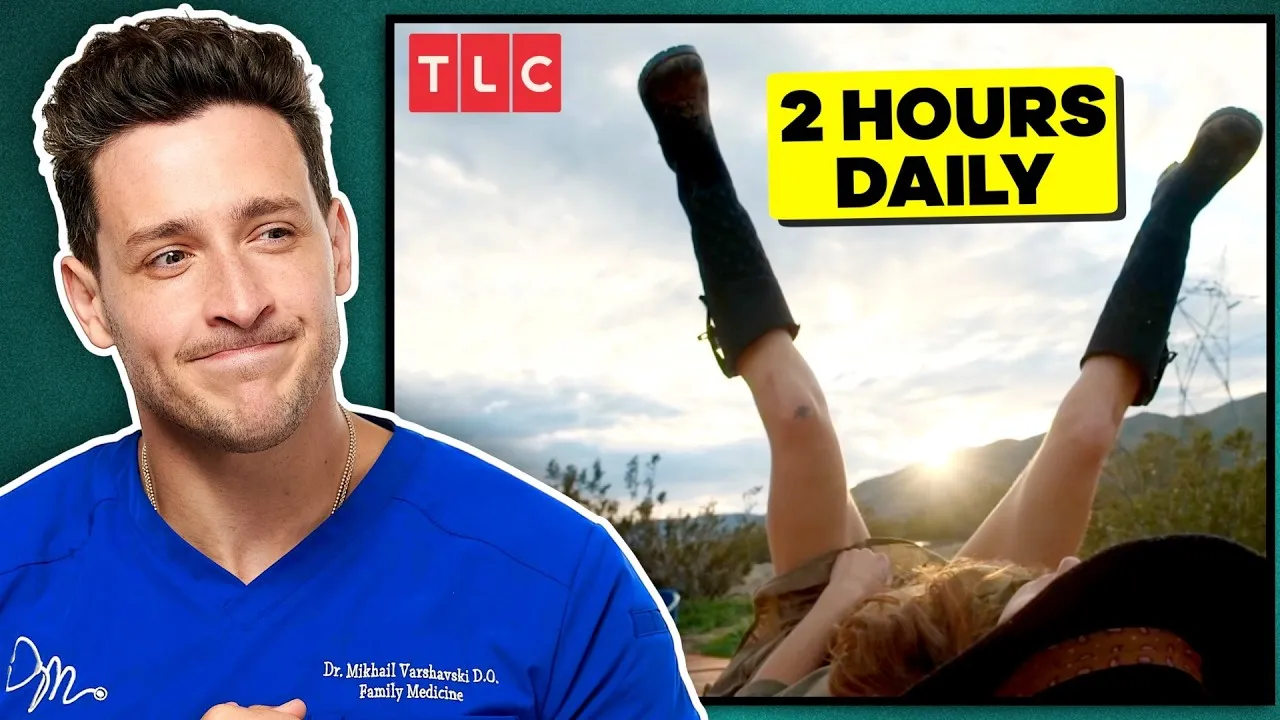
The practice of perineum sunning, where individuals expose their perineal area to sunlight, has gained traction on social media, often promoted with claims of hormonal and Vitamin D benefits. The doctor acknowledges that sun exposure does aid Vitamin D production, but stresses that this benefit is achieved through exposure on any part of the body. The primary risk associated with perineum sunning is the increased sensitivity of this area to UV radiation, leading to a higher chance of sunburn and, critically, an elevated risk of skin cancer due to prolonged, unprotected exposure. The doctor advises caution, especially with extended sunning sessions, and recommends regular, thorough skin examinations by a dermatologist, including areas not typically exposed to the sun.
Extended Breastfeeding: Comfort vs. Health
The show also features a mother who continues to breastfeed her seven-year-old child, citing benefits like comfort and the release of oxytocin, the “love hormone.” While acknowledging the well-established benefits of breastfeeding for infants and young children, the doctor clarifies that these benefits are generally recognized up to the age of two. Beyond this age, extended breastfeeding can lead to nutritional gaps, as breast milk alone may not provide sufficient iron, Vitamin D, or protein for a growing child who needs to consume solid foods. The doctor also warns of potential dental issues, such as cavities, due to the sugars in breast milk, especially if consumed at night without proper dental hygiene afterward. While oxytocin release is real, its long-term cognitive and emotional benefits are not scientifically supported beyond early childhood. The doctor emphasizes the importance of considering potential harm and remaining open to new evidence, even when passionate about a practice.
Semen Facials and Vabbing: Misconceptions and Risks
Two practices involving bodily fluids – semen facials and “vabbing” (applying vaginal fluid to the body) – are examined. For semen facials, the doctor explains that while semen contains water, proteins, and some minerals like zinc, it offers no significant or lasting benefits for the skin. The primary components responsible for skin health are often in forms or concentrations not readily absorbed or utilized by the skin. Potential risks include clogged pores, acne, folliculitis, and the transmission of sexually transmitted infections (STIs) if there are abrasions on the skin. Semen allergies, causing irritant dermatitis, are also a possibility. The doctor notes that any perceived skin improvement might be due to other concurrent skincare routines rather than the semen itself.
Regarding vabbing, the doctor addresses the misconception about human pheromones. While pheromones are documented in other animals, their existence and function in humans remain unproven scientifically. The practice of applying vaginal fluid to the body is unlikely to influence others through pheromonal signals. Potential risks include the transmission of STIs if untreated infections are present and the introduction of bacteria, which could lead to conditions like bacterial vaginosis. The doctor suggests that any perceived confidence boost from vabbing is likely a placebo effect, stemming from the individual’s belief in its efficacy rather than a scientifically validated outcome. For individuals struggling with social skills or seeking connection, the doctor recommends exploring therapies like Cognitive Behavioral Therapy (CBT) to develop healthier coping mechanisms and address underlying issues.
The Nuance of Natural vs. Medical Approaches
Throughout the discussion, the doctor touches upon the “natural fallacy” – the belief that anything natural is inherently safe and beneficial. The doctor uses the example of pure water versus treated tap water to illustrate that while natural approaches can be valuable, they are not always superior or without risk. A balanced approach, integrating lifestyle modifications with medical interventions when necessary, is crucial for overall health. The doctor stresses that relying solely on one approach, whether natural remedies or pharmaceuticals, is rarely optimal. Consulting with healthcare professionals is vital for personalized advice and treatment plans.
Key Health Takeaways
- Nasal Food Ingestion: Blending and snorting food carries serious risks, including sinus infections, ear problems, and aspiration pneumonia.
- Toenail Ingestion: Eating toenails can lead to infections, digestive issues, and complications for individuals with conditions like diabetes.
- Perineum Sunning: While sun exposure aids Vitamin D, prolonged, unprotected exposure of the perineum increases skin cancer risk.
- Extended Breastfeeding: Benefits are generally recognized up to age two; beyond that, it may lead to nutritional deficiencies and dental problems.
- Semen Facials/Vabbing: These practices offer no proven skin benefits and carry risks of infection, skin irritation, and clogged pores. The concept of human pheromones influencing behavior is scientifically unproven.
- Anxiety Coping: Habits like nail-biting or vabbing used for anxiety relief may have significant health risks and limitations, suggesting the need for healthier coping strategies.
- Seek Professional Advice: For any unusual habits or perceived addictions, consulting with doctors, ENTs, dermatologists, or mental health specialists is recommended.
Disclaimer
This article provides information based on a medical professional’s commentary on a television program. It is not a substitute for professional medical advice, diagnosis, or treatment. Always seek the advice of your physician or other qualified health provider with any questions you may have regarding a medical condition. Never disregard professional medical advice or delay in seeking it because of something you have read here. If you think you may have a medical emergency, call your doctor or emergency services immediately.
Source: Doctor Reacts To "Strange Addictions" (YouTube)