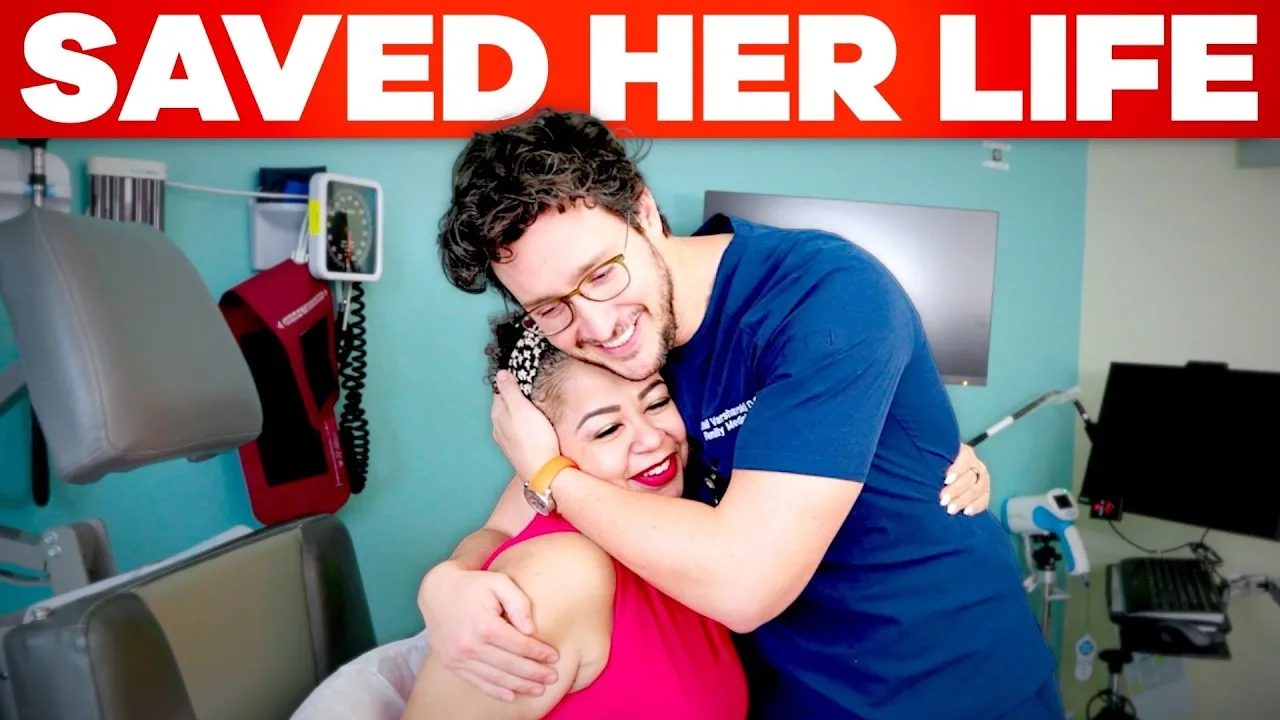
Don’t Ignore Heart Attack Signs: Patient’s Story Saves Life
A routine doctor’s visit took a life-saving turn when a primary care physician recognized subtle but critical signs of a heart attack in a patient who initially dismissed her symptoms. This encounter highlights the importance of listening to your body, recognizing atypical heart attack symptoms, especially in women, and the crucial role of a vigilant healthcare provider.
A Night of Distress and Dismissal
Rachelle Denis-Morisseau recounts waking up one morning at 4:00 a.m. with alarming symptoms: chest tightness, difficulty breathing, nausea, and pain radiating down her left arm. Describing the sensation as if someone was pressing on her chest, she knew something was seriously wrong. Despite the intensity of the episode, which lasted for a few hours, her symptoms had subsided by the time she saw her primary care physician later that day for a recurring back issue.
During their appointment, Rachelle mentioned the concerning episode, attributing it to potentially sleeping on her arm incorrectly or anxiety. Her physician, Dr. Morisseau, immediately sensed something more significant was at play. “You also seem to be quite emotional about these symptoms,” Dr. Morisseau noted, prompting a shift in the day’s agenda. Recognizing the potential severity, Dr. Morisseau insisted on an electrocardiogram (EKG) before proceeding with the back examination.
The EKG and a Physician’s Intuition
The EKG revealed non-specific changes that, while not definitively indicating a current heart attack, raised a red flag for Dr. Morisseau when compared to Rachelle’s previous EKGs. “I don’t like this. Let’s do a cardiac consult,” Dr. Morisseau advised. However, Rachelle, experiencing no current symptoms, pushed back, suggesting they wait to see if the symptoms returned. She believed the EKG showed no obvious signs of a heart attack and wanted to proceed with her original reason for the visit.
Dr. Morisseau persisted, explaining the necessity of further investigation. She emphasized the importance of a thorough discussion during a doctor’s visit and secured an urgent referral for Rachelle to see a cardiologist, obtaining Rachelle’s promise to make an appointment soon.
Urgency and a Life-Altering Diagnosis
When Rachelle returned the following week, Dr. Morisseau was eager to hear about the cardiologist’s findings. To her dismay, Rachelle revealed she had made an appointment several months away, believing her symptoms were gone. Dr. Morisseau immediately contacted a cardiologist friend, Dr. Fishberg, to expedite Rachelle’s appointment.
During her expedited cardiology visit, Rachelle underwent an echocardiogram and a stress test. While the stress test showed no issues, the echocardiogram revealed a critical problem: the top part of her heart’s ventricle was pumping strongly, but the bottom part was sluggish. This finding, diagnosed as “moderate basal inferior hypokinesis”—meaning a section of her heart muscle wasn’t moving properly—confirmed that Rachelle had indeed experienced a heart attack.
Further tests, including a CT angiography (CTA), revealed a severe blockage of over 70% in her right coronary artery, which was later found to be over 90% occluded. This blockage was the cause of her heart attack, as it significantly restricted blood flow to the heart muscle.
The Broader Implications for Women’s Heart Health
The experience was overwhelming for Rachelle. “It really hit me… I cried for a little bit… yes, I’m on the table, I’m lucky to be here, but yeah, I had a heart attack,” she shared. The severity of the blockage meant she was incredibly fortunate to have received timely intervention, including the placement of a stent and initiation of cardiac rehabilitation.
During cardiac rehab, Rachelle noticed a significant gender disparity, being the only woman in the room. A nurse explained, “The women take care of everybody else but themselves.” This observation resonated deeply with Rachelle, serving as a stark reminder of the importance of prioritizing one’s own health. “We need to listen to our body… if we don’t do that, we may not be around the next day to take care of everybody else,” she urged.
Dr. Morisseau emphasized that recognizing these symptoms is particularly challenging because heart attack presentations can differ significantly between men and women. Historically, the “elephant sitting on your chest” description, often associated with male heart attack experiences, has dominated medical understanding. However, research has shown that women frequently experience less classic symptoms, such as nausea, shortness of breath, back pain, or extreme fatigue, which can be easily mistaken for other conditions or dismissed as anxiety.
“For so many years, we’ve been missing all of these heart attacks in women, and as a result, we’ve been getting worse outcomes,” Dr. Morisseau explained, highlighting her passion for working with organizations like the American Heart Association to raise awareness about women’s heart health.
Key Health Takeaways
- Recognize Atypical Symptoms: Heart attacks in women can present differently than the classic “elephant on the chest” feeling. Be aware of symptoms like nausea, shortness of breath, jaw or back pain, extreme fatigue, and chest tightness.
- Listen to Your Body: If you experience concerning symptoms, even if they seem minor or you’re tempted to dismiss them, seek medical attention promptly.
- Advocate for Yourself: Don’t hesitate to express your concerns to your doctor. If your symptoms are dismissed, seek a second opinion or insist on further evaluation, especially for potentially serious issues.
- Primary Care is Crucial: A long-standing relationship with a primary care physician can be invaluable, as they may notice subtle changes or emotional cues that warrant further investigation.
- Prioritize Your Health: Women often put the needs of others before their own. Make your health a priority, as it is essential for your ability to care for yourself and your loved ones.
- Know the Risk Factors: While not detailed in this specific narrative, be aware of general heart disease risk factors such as high blood pressure, high cholesterol, diabetes, smoking, obesity, and a sedentary lifestyle.
A Call to Action
Rachelle’s story, shared widely, has already inspired others. One individual wrote in after watching a similar video, recognizing that their own mother was experiencing a heart attack due to the atypical symptoms, preventing a potential misdiagnosis of a panic attack.
Dr. Morisseau concluded by reinforcing the critical nature of her patient’s experience. “If Dr. Morisseau did not prompt me and did not have that sense of urgency on my behalf, I probably would not have taken any actions.” Given Rachelle also has sleep apnea, a condition where breathing stops during sleep, the risk of a fatal event during sleep was significantly elevated. “I could have easily passed in my sleep,” she stated.
This article is for informational purposes only and does not constitute medical advice. Always consult with a qualified healthcare professional for any health concerns or before making any decisions related to your health or treatment.
Source: Arguing With My Patient Saved Her Life (YouTube)