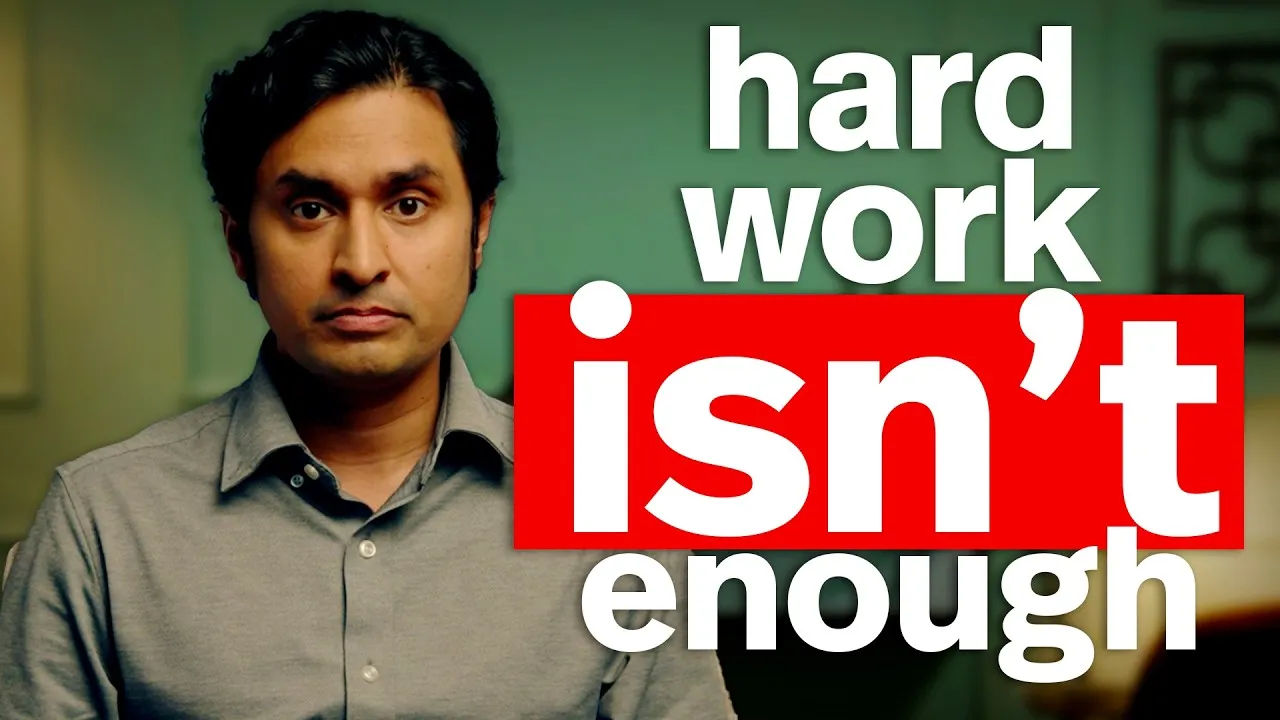
Effort Isn’t Enough: Master Your Mind for Real Change
Many of us put in a lot of effort trying to change our lives, whether it’s to be healthier, more productive, or happier. Yet, sometimes, all that hard work doesn’t seem to lead to lasting results. The reason might not be a lack of effort, but a misunderstanding of how change actually happens. Experts suggest that true change often comes not just from trying harder, but from understanding and working with our own minds.
The Problem with ‘Just Trying Harder’
It’s a common belief that sheer willpower and effort are the keys to success. We tell ourselves to just push through, work longer, or try harder. However, this approach often fails because it doesn’t address the deeper reasons behind our behaviors or struggles. Our minds are complex, and simply forcing them to change rarely works.
Dr. K, a psychiatrist and founder of Healthy Gamer, a platform focused on mental wellness for gamers, emphasizes that effort alone is often insufficient. His work, including the book “How to Raise a Healthy Gamer,” explores the mental dynamics that influence our actions and well-being. He explains that our brains have deeply ingrained patterns, and trying to override them with brute force can be exhausting and ineffective.
Understanding Your Inner World
To achieve meaningful change, we need to understand the ‘why’ behind our actions. This involves looking inward and exploring our thoughts, emotions, and underlying beliefs. For example, if you struggle with procrastination, simply telling yourself to ‘stop procrastinating’ might not work. Instead, you might need to understand what fears or anxieties are driving the procrastination.
Dr. K suggests that many of our behaviors are driven by underlying emotional needs or past experiences. These can create ‘mental loops’ that are hard to break. Think of it like a computer program that keeps running the same flawed code. You can’t just tell the computer to stop; you need to fix the code itself. Similarly, we need to address the ‘code’ of our own minds.
The Role of Self-Compassion and Acceptance
A crucial part of this inner work is developing self-compassion. Instead of criticizing yourself for not making progress, try to understand your struggles with kindness. This doesn’t mean giving up; it means acknowledging that change is difficult and that setbacks are normal. Research in psychology shows that self-compassion can actually boost motivation and resilience.
When we accept where we are, without judgment, we create a safe space for growth. This acceptance allows us to see our challenges more clearly and develop strategies that are tailored to our individual needs. It’s about working smarter, not just harder, by understanding our unique mental landscape.
Strategies for Effective Change
So, how can we move beyond just effort and foster real change? Here are some strategies based on expert insights:
- Identify Underlying Patterns: Pay attention to recurring thoughts, feelings, or behaviors. Ask yourself what might be driving them. This self-awareness is the first step.
- Practice Self-Compassion: Treat yourself with the same kindness you would offer a friend facing similar challenges. Acknowledge your efforts and forgive your setbacks.
- Seek Understanding, Not Just Solutions: Instead of immediately looking for quick fixes, try to understand the root causes of your difficulties. This might involve journaling, talking to a trusted friend, or seeking professional guidance.
- Focus on Small, Sustainable Steps: Big changes can feel overwhelming. Break down your goals into smaller, manageable steps. Celebrate each small victory to build momentum.
- Cultivate Mindfulness: Being present in the moment can help you observe your thoughts and feelings without getting carried away by them. This can reduce stress and improve decision-making.
Who Can Benefit?
These principles apply to everyone, regardless of age or background. Whether you’re a student facing academic pressure, a professional dealing with burnout, or simply someone looking to improve your overall well-being, understanding your mind is key. This approach is particularly relevant for individuals who have tried to make changes before but felt stuck or discouraged.
Important Disclaimer
The information provided here is for educational purposes only and is not a substitute for professional medical advice, diagnosis, or treatment. Always seek the advice of your physician or other qualified health provider with any questions you may have regarding a medical condition. Never disregard professional medical advice or delay in seeking it because of something you have read here. If you think you may have a medical emergency, call your doctor or emergency services immediately.
Key Health Takeaways
- Lasting change often requires more than just effort; it involves understanding your own mind.
- Trying to force change can be exhausting and ineffective because it doesn’t address underlying patterns.
- Developing self-compassion and accepting your current situation are vital for growth.
- Strategies like identifying patterns, practicing mindfulness, and taking small steps can lead to real progress.
- These insights are valuable for anyone seeking personal growth and improved mental well-being.
Source: "Why Effort Alone Doesn’t Lead to Change" (YouTube)