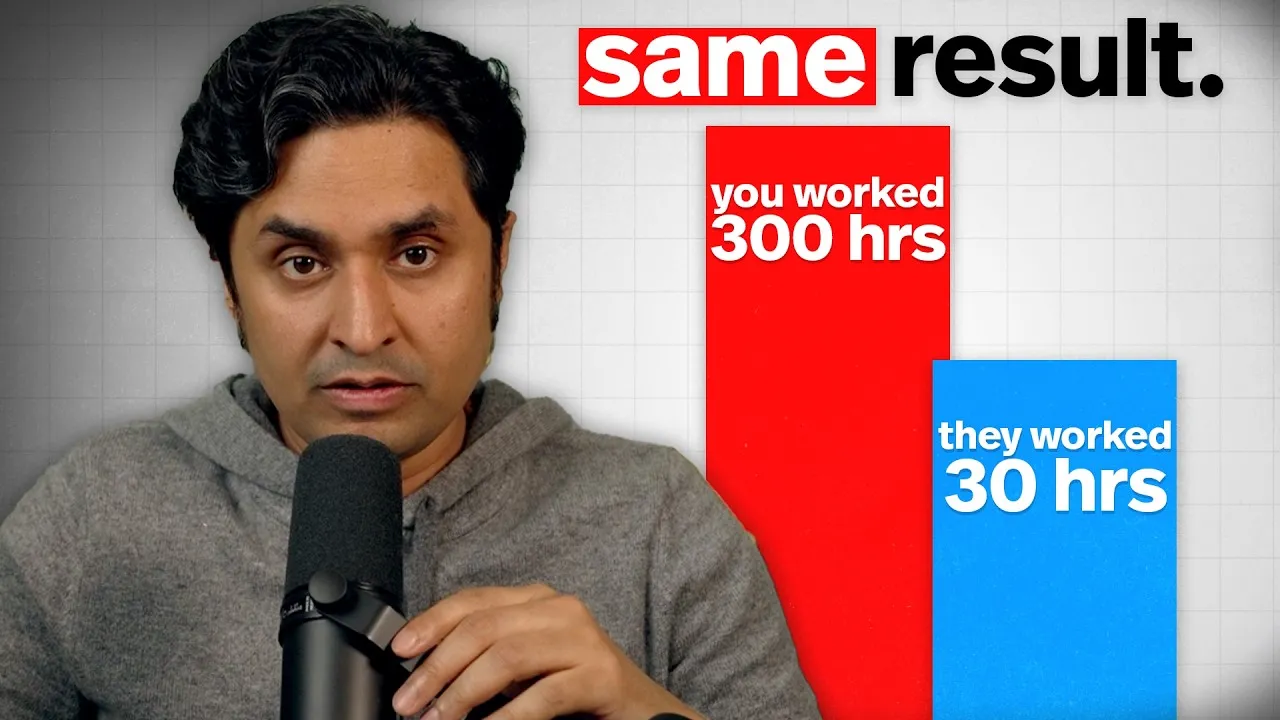
Effort vs. Understanding: Rethink Your Path to Success
Many people believe that simply working harder is the key to solving problems and achieving success. However, research and clinical experience suggest that this ‘hard work’ mantra might be misleading. The real difference between struggling and succeeding often lies not in the sheer amount of effort, but in understanding how and where to direct that effort effectively.
The Myth of ‘Just Work Harder’
We live in a culture that often promotes the idea that increased effort is a universal solution. If you’re not getting good grades, study more. If you want more money, work more hours. While these actions can sometimes lead to better outcomes, this approach fails to account for individual differences and the complexity of challenges.
For instance, consider individuals with conditions like depression or ADHD. For them, basic tasks can require significantly more energy and effort than for someone without these conditions. Getting out of bed, cleaning a room, or even participating in a conversation can be a monumental task. This doesn’t mean they aren’t trying; it means the ‘cost’ of effort is much higher.
Dr. K, a psychiatrist, notes that he has seen both individuals struggling in their parents’ basements and successful billionaires. The critical difference, he explains, is often not the hours spent working, but the effectiveness of the effort. Someone with ADHD might expend far more mental energy on a task than a neurotypical person, yet achieve less. This highlights a fundamental flaw in the ‘more effort equals more success’ narrative.
Understanding Your Unique Challenges
A key insight from Dr. K’s experience is that when hard work isn’t yielding results, the solution isn’t necessarily to work harder, but to understand the problem better. He uses the analogy of a board game box: pushing harder on a tilted lid won’t close it, but a slight reorientation makes it effortless. Similarly, life’s challenges often require a shift in perspective or approach, not just brute force.
This concept is crucial for understanding why some people remain stuck despite putting in long hours. They may be experiencing what Dr. K calls ‘treatment refractory problems’ – not because the treatment is ineffective, but because the underlying issue is misdiagnosed or misunderstood. Trying harder with the wrong approach is like trying to fix a car engine with a wrench when what’s needed is a screwdriver.
Identifying the Right Direction
So, how do you find the right direction for your effort? Dr. K suggests looking for ‘contentment,’ which he defines as the absence of regret after an action is completed. If you’re at peace with your choices and outcomes, you’re likely on the right track. Conversely, regret signals that something is amiss.
This applies even to desires for rest or leisure. Simply playing video games all day out of exhaustion might seem like a way to avoid hard work, but it often leads to numbness and future regret, not peace. True contentment comes from actions that align with a sense of purpose or progress, even if that progress is small.
Furthermore, Dr. K points out two common mental traps that sabotage progress:
- The ‘Not Enough’ Mindset: Even when you’re moving in the right direction and making progress, your mind might tell you it’s insufficient. Phrases like ‘It’s too late’ or ‘I should have started sooner’ can turn a victory into a perceived failure. This internal criticism prevents you from acknowledging and building on your successes.
- Ego and Identity Conflicts: Sometimes, the effort required to solve a problem clashes with your self-image. For example, someone might resist seeking professional help because they believe they should be able to solve their problems independently, embodying a ‘pull yourself up by your bootstraps’ ideal. This resistance, driven by ego, can prevent you from taking the most effective steps.
The Importance of Self-Understanding and External Support
Dr. K emphasizes that understanding yourself is paramount. We often learn the ‘hard work’ narrative from external sources, which may not apply to our unique circumstances. If this external advice isn’t working, it’s time to listen to internal signals and seek a better understanding of your own needs and challenges.
This is where external support can be invaluable. While the desire to be self-reliant is understandable, blind spots prevent us from seeing our own limitations. Professionals like therapists, coaches, or even knowledgeable friends can offer objective perspectives and help identify the specific ‘reorientation’ needed.
Dr. K mentions a concept from Dr. Jim Groves about ‘manipulative help rejectors’ – individuals who ask for help but then dismiss any solutions offered, often due to underlying ego or identity issues. Recognizing these patterns in yourself or others is the first step toward overcoming them.
Building Sustainable Effort
The ultimate goal isn’t to avoid effort, but to engage in sustainable effort. This means directing your energy in ways that reduce the overall burden over time, rather than constantly dipping into reserves and risking burnout.
For example, someone working multiple part-time jobs to avoid paying benefits might be working incredibly hard but not sustainably. The goal should be to gradually improve your situation, perhaps by seeking a full-time role or developing skills that increase your earning potential. This might involve small, intentional changes – improving sleep, optimizing your work environment, or job hopping strategically.
Dr. K acknowledges that this is challenging, especially when circumstances feel restrictive. However, he stresses that even in situations where immediate choices seem limited, focusing on how to create more choices for the future is key. This proactive approach, combined with a deep understanding of your own internal landscape and a willingness to adapt your strategy, is far more effective than simply pushing harder.
Key Health Takeaways
- Rethink the idea that ‘hard work’ alone solves all problems; effectiveness matters more than sheer effort.
- Recognize that individuals with conditions like depression or ADHD may need to expend significantly more energy for the same tasks.
- When effort isn’t leading to results, focus on understanding the problem rather than just trying harder.
- Seek ‘contentment’ by identifying actions that lead to peace and minimize regret, even in rest or leisure.
- Be aware of internal traps like the ‘not enough’ mindset and ego-driven resistance to help.
- Consider seeking external support to gain perspective and identify effective strategies for your unique challenges.
- Aim for sustainable effort by directing energy in ways that reduce long-term burdens and create more choices over time.
Disclaimer: This article is for informational purposes only and does not constitute medical advice. Always consult with a qualified healthcare professional for any health concerns or before making any decisions related to your health or treatment.
Source: Stop Trading Your Time For Nothing (YouTube)