Why Your Fears About Change Are Probably Wrong
We often dread upcoming changes, worrying they will completely derail our lives. Whether it’s losing a job or facing a major life event, our minds tend to imagine the worst-case scenarios. However, research suggests we’re not very good at predicting how we’ll actually feel about these future events. This is a concept known as ‘affective forecasting,’ and it highlights a common human tendency to overestimate both the negative impact of bad events and the lasting joy of good ones.
Imagine losing your job. You might think it will ruin you and you’ll never be happy again. Or, consider getting a big promotion. You might believe this will make you happy forever. But studies show that after the initial emotional shock or excitement wears off, people tend to return to their baseline level of happiness, often called a ‘happiness set point.’ This means that in the long run, events rarely affect our overall happiness as dramatically as we initially predict.
The Hidden Benefit: You Change Too
Knowing this is important because it can ease the anxiety we feel when facing daunting changes. If we understand that things likely won’t be as bad as we fear, it can provide comfort. But there’s another crucial reason why our predictions are off: we forget that we ourselves will change as a result of the experience.
Think of yourself as a work in progress. As the world around you shifts and you go through new experiences, you are also undergoing internal changes. The person you are today is not the same person who will face a future event. Your perspective, your abilities, and even your values can evolve through the very process of navigating change.
A New Perspective on Difficult Times
Dr. Shunker, a researcher in this area, points out that we often believe the version of ourselves right now is the final, complete version. This is a misconception. When you’re facing a change that scares you, and you think, ‘I can’t possibly get through this,’ the real question isn’t just how you will endure it. Instead, ask yourself: ‘How will the *new* me, with fresh abilities, perspectives, and values learned from this experience, navigate this challenge?’
Many people who have gone through significant life changes, even negative ones, later express gratitude. They might not have wished for the hardship, but they are thankful for the person they became because of it. The experiences shape us, equipping us with new strengths and insights we didn’t possess before.
Who This Applies To
This insight is particularly relevant for anyone anticipating or currently experiencing significant life changes. This includes career shifts, relationship changes, health challenges, or any situation that feels overwhelming. It’s for individuals who tend to worry about the future and struggle with adapting to new circumstances.
Key Health Takeaways
- Your Feelings Are Temporary: We tend to overestimate how intensely we will feel about future events, both positive and negative.
- You Adapt: Humans are remarkably resilient. After the initial emotional impact of a change, people usually return to their baseline happiness level.
- You Will Evolve: The most significant factor in navigating change is how *you* change. New experiences build new skills, perspectives, and strengths.
- Reframe Your Questions: Instead of asking ‘How will I survive this?’, ask ‘How will the future me, stronger and wiser, handle this?’
- Embrace Growth: Difficult changes can lead to personal growth, making you a more capable and resilient person.
Disclaimer: This article is for informational purposes only and does not constitute medical advice. Always consult with a qualified healthcare provider for any health concerns or before making any decisions related to your health or treatment.
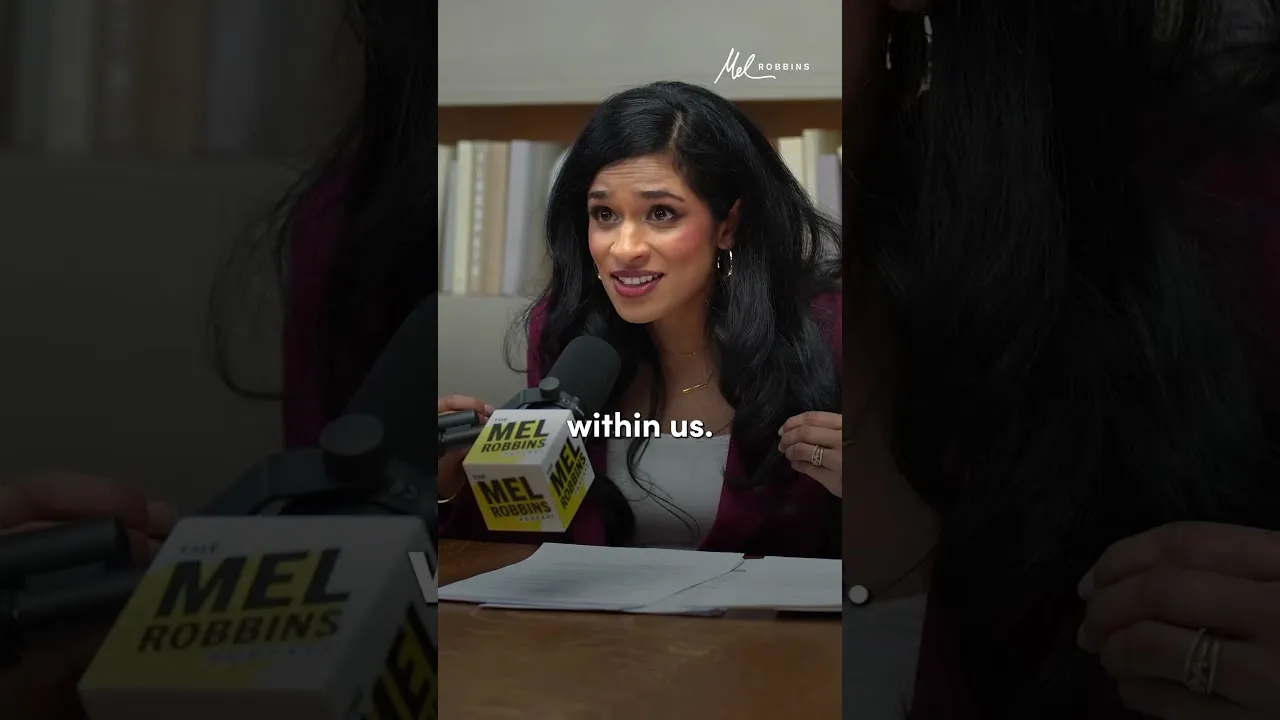
Source: You Won't Be The Same Person After This | Mel Robbins #Shorts (YouTube)