Endometriosis: Uncover Root Causes Beyond Pain
Debilitating period pain is not a normal part of being a woman, and for the 1 in 10 women affected by endometriosis, relief can feel elusive. Many face a long journey to diagnosis, often taking seven to ten years, with treatments focusing on symptom management through birth control, pain medication, or surgery. Functional medicine, however, asks a crucial question: Why is this happening in the first place? This approach views endometriosis not just as a gynecological issue, but as a complex inflammatory, immune, and hormonal disorder deeply connected to gut health, estrogen metabolism, and environmental factors.
Understanding Endometriosis
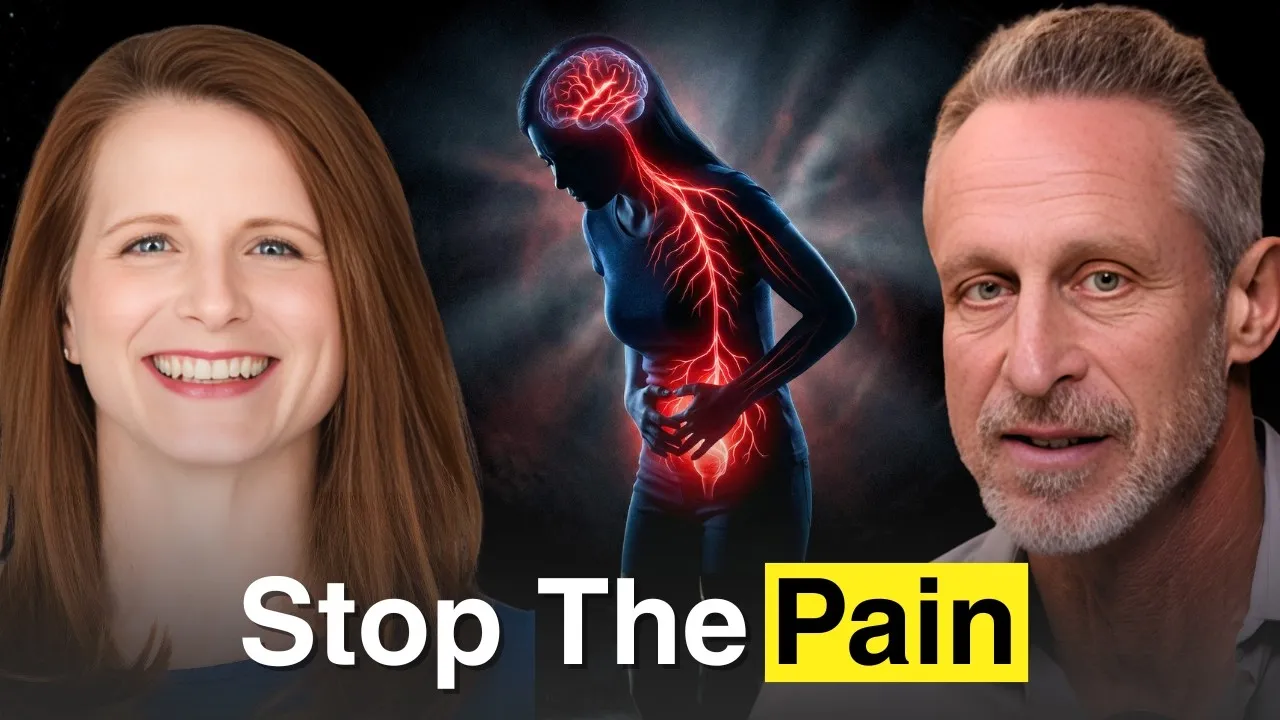
Endometriosis occurs when cells similar to the lining of the uterus (the endometrium) grow outside the uterus. These cells can implant in areas like the fallopian tubes, ovaries, bladder, and bowel. When a woman menstruates, this misplaced tissue can bleed and become inflamed, leading to significant pain, digestive issues like bloating and constipation, and sometimes infertility.
Dr. Mark Hyman and Dr. Elizabeth Boham, experts in functional medicine, explain that this condition creates a cycle of inflammation. The misplaced endometrial cells can even produce their own estrogen, fueling further growth and worsening the problem. This highlights why simply suppressing symptoms isn’t enough; addressing the underlying causes is key.
The Gut-Immune Connection
A surprising link in endometriosis is the role of the gut and the immune system. Functional medicine practitioners emphasize that inflammation and immune dysfunction often stem from the digestive system. Issues like an imbalance of gut bacteria (dysbiosis) or increased intestinal permeability, often called “leaky gut,” can trigger widespread inflammation.
Research shows women with endometriosis often have higher rates of digestive issues like Irritable Bowel Syndrome (IBS), food sensitivities, and even Celiac disease. The gut microbiome also plays a role in how estrogen is processed. When the gut microbiome is imbalanced, it can lead to increased estrogen reabsorption in the body, potentially worsening endometriosis.
“We always say in functional medicine, start with the gut,” says Dr. Boham. “Because so much inflammation and autoimmunity and immune dysregulation can stem from the digestive system.”
What is Dysbiosis and Leaky Gut?
Dysbiosis simply means an imbalance between the “good” and “bad” bacteria in your gut, like weeds taking over a garden. Leaky gut occurs when the intestinal wall becomes too permeable, allowing substances to pass through that shouldn’t, which can then trigger an immune response and inflammation.
Estrogen Metabolism and Environmental Toxins
The body’s handling of estrogen is another critical factor. While estrogen is vital, imbalances can exacerbate endometriosis. Environmental toxins, known as xenoestrogens, can mimic estrogen in the body, disrupt hormone balance, and influence how estrogen is metabolized. These toxins are found in plastics (like BPA), parabens, phthalates, pesticides, and personal care products.
“Xenoestrogens are those toxins in the environment that can impact estrogen levels in the body,” Dr. Boham explains. “They can bind to the estrogen receptor, they influence how estrogen is broken down, they impact our estrogen levels.”
Supporting the body’s natural detoxification pathways is crucial. This involves reducing exposure to these toxins and helping the body eliminate them. Foods like cruciferous vegetables (broccoli, cauliflower, cabbage) contain compounds that help the body metabolize estrogen in a healthier way.
Personalized Approaches to Estrogen Metabolism
Functional medicine offers detailed testing to understand individual estrogen metabolism. This can involve analyzing urine samples to see how estrogen is broken down or even genetic testing to identify specific needs for nutrients like B vitamins. This personalized approach allows for targeted interventions to balance hormones.
The Functional Medicine Approach: The 5 R’s
Functional medicine often uses a framework called the “5 R’s” to address gut health and its impact on the body:
- Remove: Eliminate inflammatory foods, pathogens, or toxins. This might involve an elimination diet or specific treatments for gut imbalances.
- Replace: Support digestion by replacing digestive enzymes or stomach acid if needed.
- Reinoculate: Introduce beneficial bacteria through probiotics and prebiotics to restore a healthy gut microbiome.
- Repair: Use nutrients and compounds that help heal the lining of the gut.
- Rebalance: Focus on lifestyle factors like stress management, sleep, and mind-body connection to calm the nervous system and promote healing.
Dietary changes, such as incorporating fiber-rich foods like flax seeds, can also play a role in managing estrogen levels through their effect on gut health.
Lifestyle Interventions and Beyond
Beyond diet and gut health, lifestyle plays a significant role in hormonal regulation. Reducing exposure to environmental toxins by choosing clean beauty products, filtering water, and avoiding cooking in plastic are practical steps. Regular exercise, sweating, and sauna use can also aid detoxification.
While surgery can be necessary to remove endometriosis tissue and alleviate severe pain or fertility issues, it doesn’t address the underlying conditions that allow endometriosis to return. A comprehensive functional medicine approach, focusing on gut health, immune balance, hormone regulation, and toxin reduction, is essential for long-term management and well-being.
Key Health Takeaways
- Endometriosis is more than a gynecological issue; it’s a systemic inflammatory and immune condition linked to gut health and hormone balance.
- Severe period pain is not normal and warrants investigation into root causes beyond symptom suppression.
- Gut health, including balanced bacteria and a healthy intestinal lining, is crucial for managing inflammation and hormonal regulation.
- Environmental toxins (xenoestrogens) can disrupt hormone balance and may contribute to endometriosis.
- A functional medicine approach, like the 5 R’s, offers a personalized strategy to address the underlying causes of endometriosis.
- Lifestyle changes, including diet, stress management, and reducing toxin exposure, are vital for long-term health and symptom management.
This information is for educational purposes only and does not constitute medical advice. Always consult with a qualified healthcare provider for any health concerns or before making any decisions related to your health or treatment.
Source: The Real Reason Endometriosis Keeps Coming Back | Dr. Mark Hyman & Dr. Elizabeth Boham (YouTube)