Explore Animals in Latin American Literature: A How-To Guide
Latin American literature is rich with the presence of animals, not just as characters, but as powerful symbols and metaphors. From ancient Mayan beliefs to contemporary novels, animals offer a lens through which to understand human society, power dynamics, and the very nature of existence. This guide will walk you through how authors use animals to explore complex themes.
What You’ll Learn:
- How animals were viewed in ancient Latin American cultures and their literary significance.
- The use of animal metaphors to critique societal issues like slavery.
- The concept of “lo real maravilloso” and how shapeshifting characters reveal truths about oppression.
- How contemporary literature uses animal relationships to explore human psychology and societal roles.
Prerequisites
No prior knowledge of Latin American literature is required. An open mind and a willingness to explore symbolic language are all you need.
Step-by-Step Guide
Step 1: Understand the Ancient Roots of Animal Symbolism
Begin by recognizing the deep historical connection between animals and culture in Latin America. Ancient civilizations like the Mayans viewed animals as divine messengers, while the Aztecs even worshipped a feathered serpent god, Quetzacoatl. This foundational reverence set the stage for animals to become significant elements in literature, often representing parallels between the human and animal worlds.
Step 2: Analyze Animal Metaphors for Social Critique
Explore how authors use animals as subtle critiques of human behavior and societal structures. A prime example is António Vieira’s 17th-century sermon, “The Sermon of St. Anthony to the Fish.” Faced with a resistant colonial society that practiced slavery in Brazil, Vieira didn’t address the colonizers directly. Instead, he preached to fish, using their hierarchical ecosystem as a metaphor for human society. He described how “the big ones eat the little ones,” mirroring the enslavement of Indigenous populations by European settlers. The larger fish represented the colonizers, and their predatory actions symbolized the subjugation of native communities. Even the largest fish, Vieira suggested, were not safe, hinting that the Portuguese monarchy could also exert power over them. This approach allowed Vieira to convey a powerful anti-slavery message in a way that might bypass direct opposition, ultimately influencing King João IV to outlaw the forced labor of Brazil’s native population.
Expert Tip: When encountering animal imagery in older texts, consider the socio-political context. The author might be using the animal kingdom to comment on contemporary human issues they cannot address directly.
Step 3: Explore “Lo Real Maravilloso” and Shapeshifting
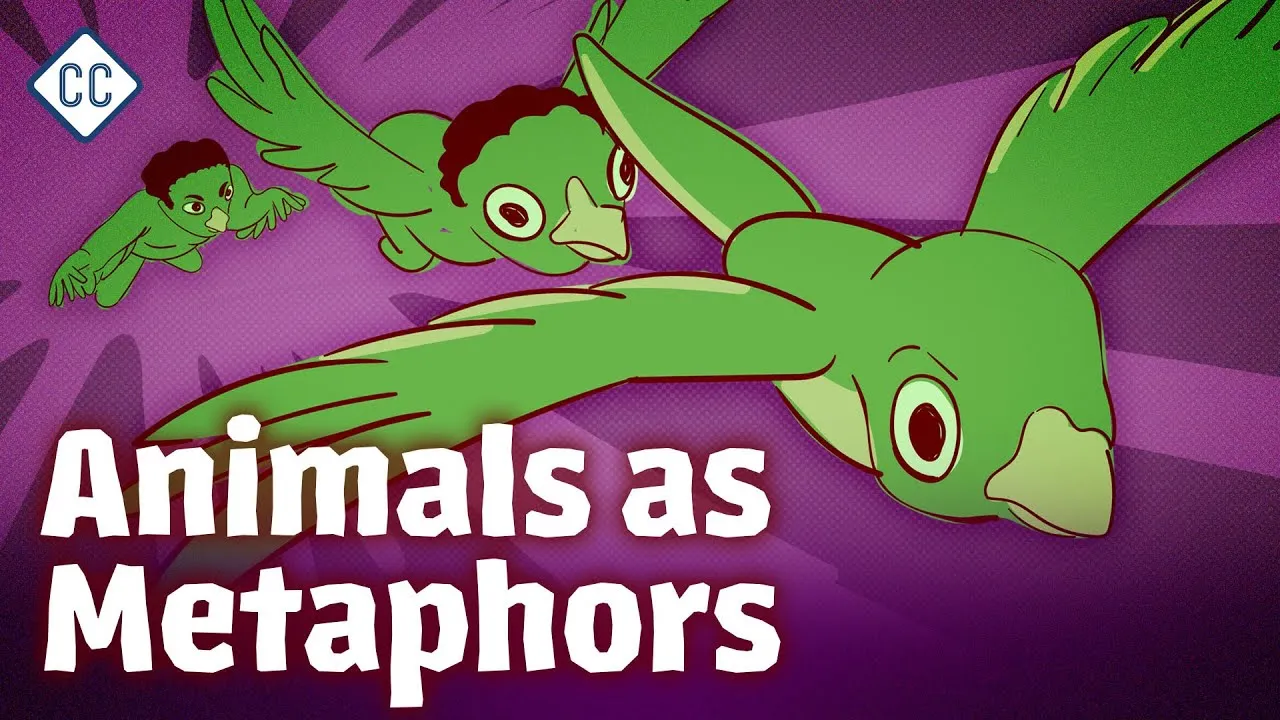
Delve into works that blend reality with elements drawn from local folklore and culture, a style Cuban author Alejo Carpentier termed “lo real maravilloso” (the marvelous real). Carpentier’s novel “Kingdom of this World” (El Reino de este Mundo), which influenced magical realism, is a key example. Set during the Haitian Revolution, the novel incorporates magical elements rooted in Afro-Haitian culture. A significant aspect is the shapeshifting ability of characters like Macandal. After escaping slavery and discovering potent herbs, Macandal gains the power to transform into various animals. This ability serves a dual purpose: it’s a practical means of evading enslavers, allowing him to escape capture by becoming an insect, for instance. More profoundly, it comments on the persistence of oppression. Even after the revolution, lighter-skinned Haitians continue to oppress darker-skinned ones. When the protagonist, Ti Noël, learns to shapeshift, he finds that the animal world mirrors the same power dynamics and exclusion he experienced among humans. Carpentier suggests that whether human or animal, oppression and abuse of power can endure, viewing these struggles as a part of nature that helps us understand the human world.
Warning: Differentiate “lo real maravilloso” from simple fantasy. The “marvelous” elements in this style are deeply embedded in the specific cultural beliefs and folklore of the region, not merely arbitrary magical additions.
Step 4: Examine Contemporary Animal-Human Relationships
Analyze how modern Latin American literature continues to use animals to explore human psychology and relationships. Pilar Quintana’s novel, whose title translates to “the female dog,” offers a striking example. The story centers on Damaris, a woman longing for a child, who adopts a puppy named Chirli. Initially, Damaris treats Chirli as a surrogate infant. However, Chirli’s behavior deviates from Damaris’s expectations. She escapes, becomes pregnant, and then abandons her own puppies, exhibiting neglect rather than maternal care. Damaris’s reaction to Chirli’s perceived failures—her violence and anger—reveals her own deep-seated issues related to abandonment and her inability to fulfill the idealized role of a mother. The novel uses the dog’s actions and Damaris’s projections onto the dog to illuminate Damaris’s character and reflect on the complex roles of mothers and daughters, both in the animal and human realms. The canine title itself can be interpreted as a derogatory term for women who don’t conform to societal expectations, further linking Chirli’s behavior to human female roles.
Expert Note: In contemporary works, the blurring lines between pet and child, or the projection of human desires and failings onto animals, can serve as a powerful tool for character development and social commentary.
Step 5: Reflect on the Universal Connection
Conclude by reflecting on the overarching theme: the fundamental connection between all beings, human and animal. Latin American literature consistently uses the animal kingdom to gain a deeper understanding of ourselves. By examining how authors explore our relationships with the “fishy, feathery, and ferocious,” we gain insights into our own nature, our societal structures, and our place in the world.
Source: Animals & Shapeshifters: Crash Course Latin American Literature #10 (YouTube)