Rethink Your Redness Relief: The Hidden Dangers of Eye Drops
Many people reach for over-the-counter eye drops like Visine or Clear Eyes to quickly get rid of red, irritated eyes. While these drops offer a temporary fix, eye care professionals warn that frequent use can actually make eye problems worse. The cooling sensation you might feel when using these products can be a sign of your eye tissue being negatively affected.
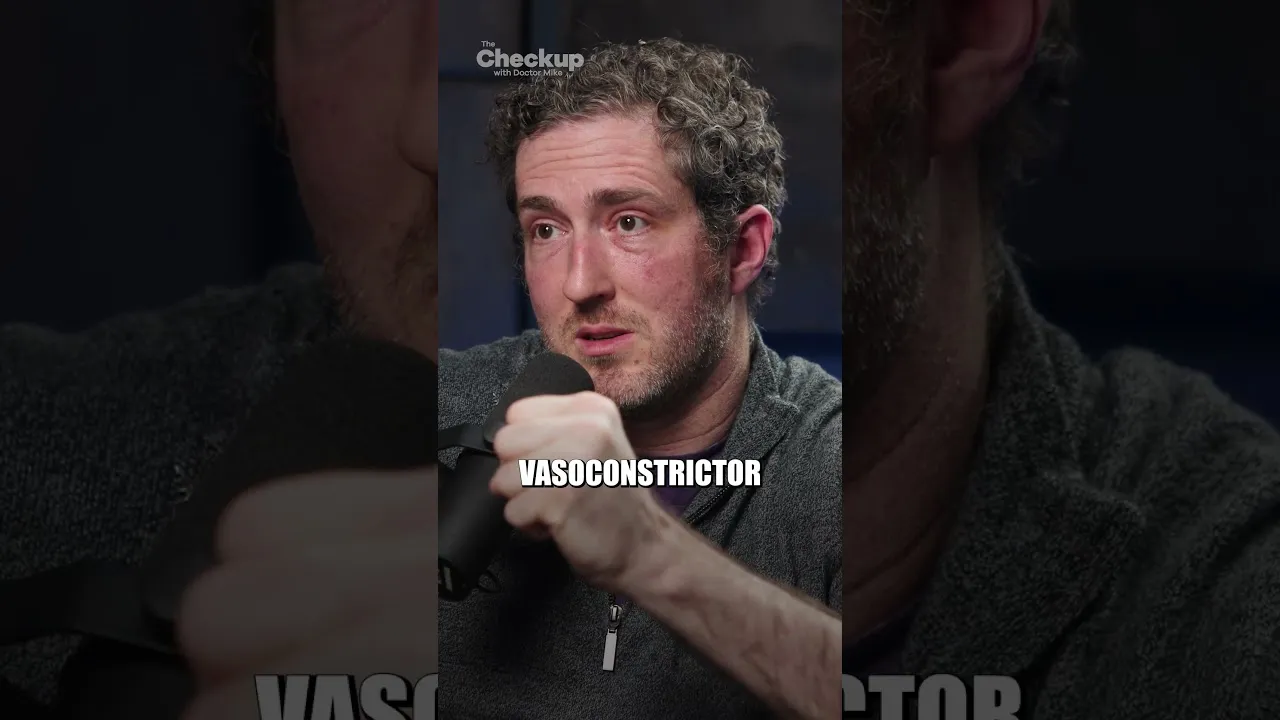
The Vasoconstrictor Problem
These popular eye drops often contain an ingredient called a vasoconstrictor. Simply put, a vasoconstrictor works by narrowing your blood vessels. In the case of eye drops, this means they shrink the tiny blood vessels in the white part of your eye. This is what makes your eyes look less red and clearer, giving you that bright-eyed appearance you’re looking for.
However, this effect is only temporary. Once the vasoconstrictor wears off, the blood vessels can actually swell back up, often becoming even larger and redder than before. This leads to a rebound effect, where your eyes look redder when the drops aren’t in your system. This cycle can encourage people to use the drops even more frequently to combat the worsening redness.
Why Doctors Are Concerned
Ophthalmologists and optometrists see patients regularly who have become dependent on these types of eye drops. People often come in with persistent redness and irritation, explaining that they have tried numerous bottles of redness-reducing drops without success. They might even keep a drawer full of these products, hoping one will finally provide lasting relief.
The problem is that these drops don’t address the underlying cause of the eye redness. Whether it’s allergies, dryness, or environmental irritants, the vasoconstrictor simply masks the symptom. By constricting blood vessels, these drops can also reduce the natural flow of blood and oxygen to the eye tissues, potentially causing harm over time.
What to Do Instead
When patients present with redness that hasn’t improved despite using vasoconstrictor drops, doctors typically advise them to stop using the problematic products immediately. The recommended approach involves switching to gentler, more beneficial treatments. This often includes using artificial tears that lubricate the eye.
Artificial tears, particularly those containing ingredients like hydroxyethyl cellulose, work by adding moisture to the surface of your eye. They help to soothe irritation and provide comfort without the risky side effects of vasoconstrictors. These types of drops are designed for regular, long-term use to manage chronic dry eye or general eye discomfort.
Who Should Be Cautious?
Anyone experiencing persistent eye redness or irritation should be wary of using vasoconstrictor eye drops regularly. This advice is particularly important for individuals with chronic dry eye, allergies, or those who work in environments that cause eye strain, like prolonged computer use or exposure to smoke and dust.
It’s crucial to understand the difference between temporary relief and a sustainable solution for eye health. Relying on products that constrict blood vessels can lead to a cycle of dependence and potentially worsen the condition you’re trying to treat.
Key Health Takeaways
- Redness-reducing eye drops like Visine and Clear Eyes work by narrowing blood vessels, which is only a temporary fix.
- Frequent use can lead to a rebound effect, making eyes redder when the drops wear off.
- These drops don’t treat the actual cause of eye redness and can potentially harm eye tissues over time.
- If you have persistent eye redness, stop using vasoconstrictor drops and consult an eye doctor.
- Consider using artificial tears containing lubricating ingredients for safer, long-term relief.
This article is for informational purposes only and does not constitute medical advice. Always consult with a qualified healthcare provider for any questions you may have regarding a medical condition.
Source: Why Eye Doctors Hate Visine (YouTube)