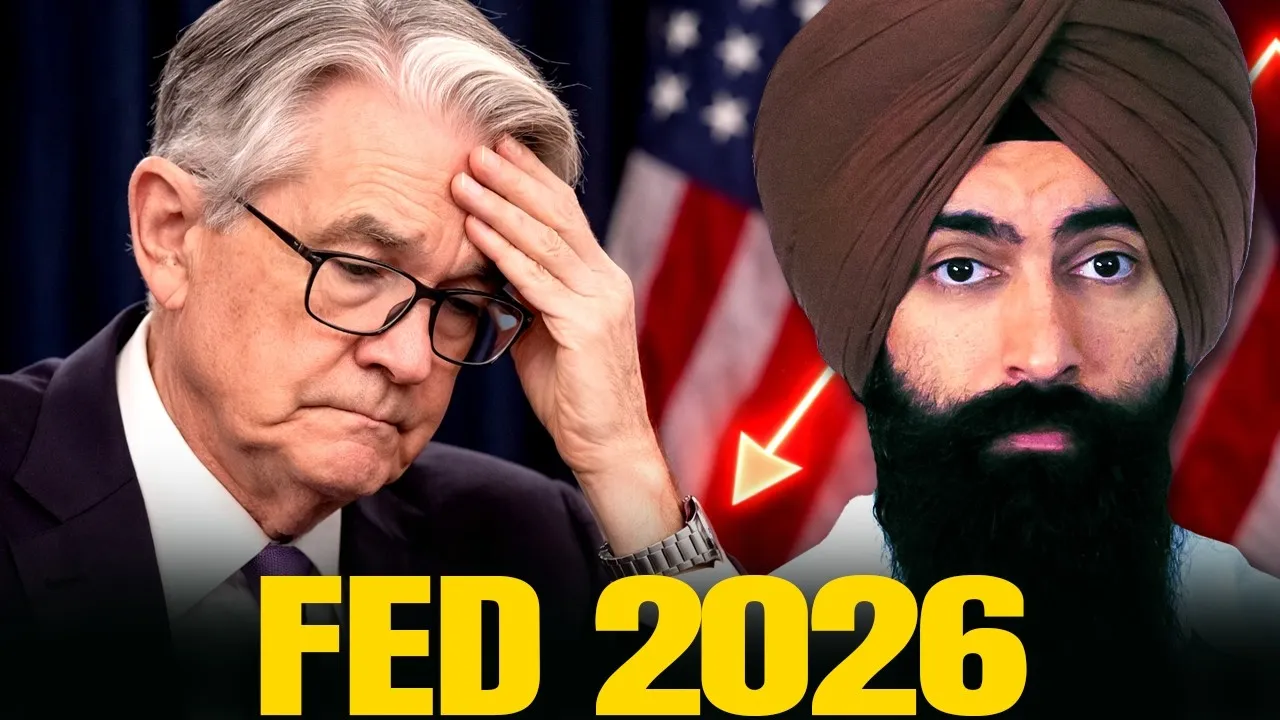
Federal Reserve Leadership Transition Faces Unexpected Hurdles
The planned leadership change at the U.S. Federal Reserve, a pivotal moment for global financial markets, is now facing significant delays. The Federal Reserve, often called the central bank of the United States, plays a crucial role in managing the nation’s money supply, influencing interest rates, and controlling inflation. The chairman of the Federal Reserve holds immense power, affecting everything from mortgage rates for homeowners to the cost of borrowing for businesses.
Why the Fed Chair Matters
The Federal Reserve has two main tools to manage the economy. First, it can control interest rates, which dictates how much it costs for banks to borrow money. This, in turn, influences interest rates on car loans, mortgages, and business loans. Second, the Fed can effectively create money. When the U.S. government spends more than it collects in taxes, leading to a national debt now exceeding $39 trillion, the Federal Reserve can lend money to the government by printing it. While this helps fund government spending, it can also lead to inflation, a general increase in prices.
Trump’s Push for Lower Rates and Powell’s Stance
Throughout 2025, former President Trump repeatedly urged Federal Reserve Chairman Jerome Powell to lower interest rates. Trump’s goal was to make borrowing cheaper, aligning with his desire for the lowest interest rates among developed nations. However, the Federal Reserve, under Powell, resisted these calls, leading to friction between the White House and the central bank. Since the Federal Reserve is not a direct part of the U.S. government, a president cannot simply fire its chairman. The chairman’s term is fixed, and the president’s power lies in nominating a successor.
The Nomination of Kevin Warsh and Emerging Roadblocks
Jerome Powell’s term as Federal Reserve Chair was set to expire on May 15th, opening the door for President Trump to nominate a new leader. Trump put forward Kevin Warsh, believing Warsh would be more amenable to cutting interest rates. However, the transition process has hit several snags:
- Paperwork Delays: Warsh’s nomination, submitted on March 4th, 2026, faced initial delays because his paperwork was not processed promptly. These delays were partly attributed to extensive background checks required due to Warsh’s family ties to the wealthy Estee Lauder family. Without submitted paperwork, Senate hearings cannot be scheduled.
- Senate Opposition Tied to Investigations: A significant hurdle emerged from Senator Thom Tillis of North Carolina. He stated he would vote against all nominations until a criminal investigation into Jerome Powell’s use of Federal Reserve building funds is dropped. Powell maintains these accusations are baseless and related to pressure tactics. Adding complexity, Powell is reportedly refusing to leave his post until this investigation concludes, creating a stalemate.
- Concerns Over Epstein Files: Further complicating matters, Senator Elizabeth Warren raised concerns regarding Kevin Warsh’s connection to the Epstein files, potentially adding another layer of delay to his confirmation process.
Potential Market Impacts of a Delayed Transition
The uncertainty surrounding the Federal Reserve’s leadership has direct implications for investors. Wall Street generally dislikes uncertainty, as it can lead to increased stock market volatility. There are two primary scenarios:
- Nomination by May 15th (or shortly after): If Warsh is confirmed close to the deadline, the transition proceeds, potentially bringing a shift in Fed policy.
- Significant Delay: If the confirmation is delayed substantially, Jerome Powell would likely remain in his position longer than planned. Powell has indicated he is not considering interest rate cuts in 2026, especially with recent geopolitical tensions impacting oil prices and inflation. This scenario offers more certainty, as Powell’s current cautious approach is well-understood by the market.
Kevin Warsh’s Potential Policy Direction
If Kevin Warsh takes the helm, his previous statements suggest a focus on two key areas: aggressive interest rate cuts and a tightening of the Federal Reserve’s balance sheet. Aggressive rate cuts aim to make borrowing cheaper for consumers and businesses. However, this could exacerbate inflation. Warsh proposed combating this by tightening the balance sheet, which involves removing money from the economy.
Historically, Warsh was critical of the Federal Reserve’s actions during the 2008 financial crisis, arguing against cutting rates and printing money, which he believed would harm the dollar. This raises questions about whether he will prioritize protecting the dollar by potentially raising interest rates, even if it slows economic growth, or if he will be willing to risk inflation to stimulate the economy, a stance more aligned with President Trump’s desires.
The Shadow of Inflation and Geopolitical Risk
The current economic climate, marked by rising oil prices due to Middle East conflict, is already fueling inflation. Higher energy costs translate to more expensive gas, groceries, and transportation. This inflationary pressure makes it more difficult for the Federal Reserve to cut interest rates, as doing so could further accelerate price increases. This situation mirrors the economic challenges of the 1970s, which saw high inflation and an oil crisis leading the Fed to raise interest rates dramatically. This policy, while saving the dollar, resulted in extremely high mortgage rates (up to 18-20%) and a deep recession.
The market is watching closely to see if Warsh will maintain his historical stance favoring a strong dollar through higher rates, or if he will adapt to President Trump’s push for lower rates, even at the risk of higher inflation. The timing of his potential nomination and the evolving geopolitical landscape add layers of uncertainty.
What Investors Should Know
The current situation at the Federal Reserve highlights the importance of understanding market uncertainty. While the delays create volatility, investors are advised to maintain a strategic approach. For passive investors, the principle of ‘Always Be Buying’ (ABB) remains crucial. This involves consistently investing a set amount, regardless of market fluctuations, and viewing downturns as opportunities to buy more assets at lower prices.
For active investors, or those looking to supplement passive strategies, understanding where money is flowing and capitalizing on market dips is key. The most successful investors often demonstrate emotional discipline, resisting the urge to panic sell during downturns and avoiding greed during market highs. Building wealth often comes down to holding solid investments through turbulent times and strategically buying more when others are selling.
Staying informed about economic developments, such as the Federal Reserve leadership transition and inflation trends, is vital. Resources like Market Briefs, a free financial newsletter, can help break down complex information into easily digestible daily updates for investors.
Source: Trump Just Paused The 2026 Fed Reset (YouTube)