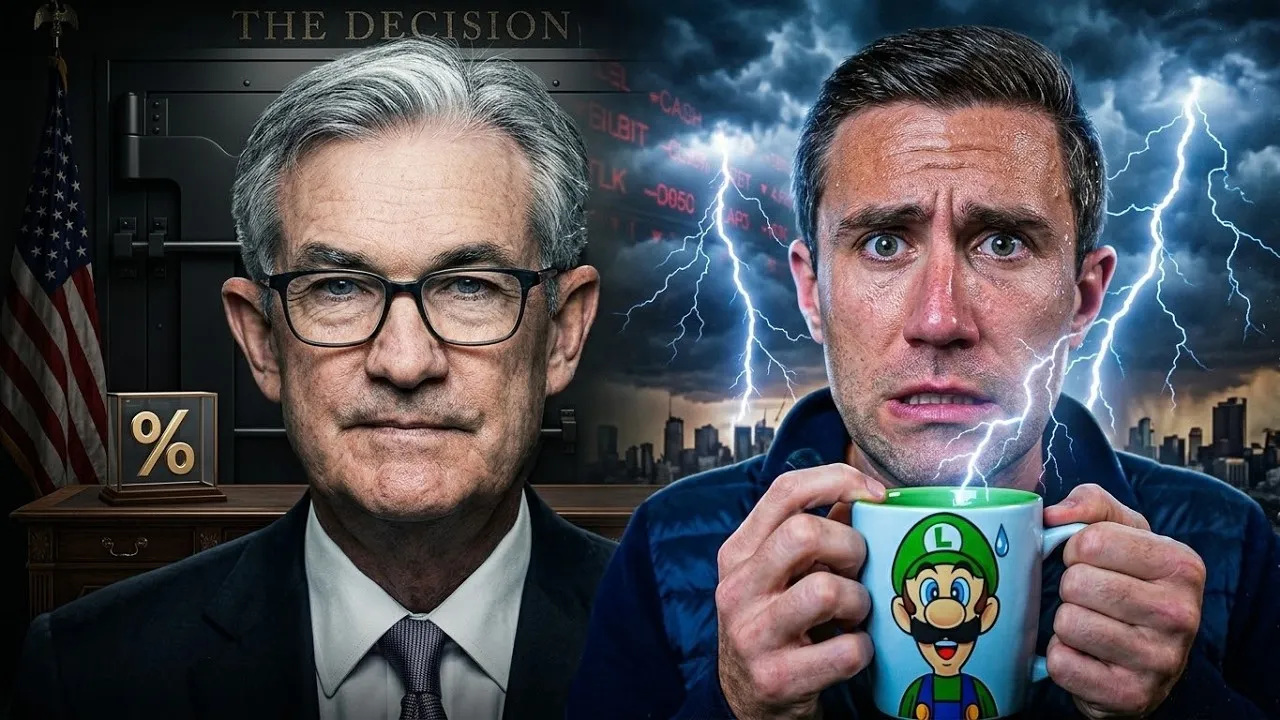
Fed Signals Potential Rate Hikes Amid Rising Inflation Fears
Investors are bracing for potential signals of interest rate hikes from the Federal Reserve, as recent economic data shows inflation climbing. While no immediate rate changes are expected, upcoming Fed statements could reveal a shift in policy direction, particularly concerning inflation control.
Key Economic Projections Under Scrutiny
The Federal Reserve’s upcoming Summary of Economic Projections will be closely watched for clues about future interest rate policy. Previously, in December, the Fed projected a 2.3% change in real Gross Domestic Product (GDP) for 2026. Projections for unemployment were around 4.5% to 4.6%.
However, current forecasts suggest the Fed might adjust these numbers. A key area of concern is inflation. The Personal Consumption Expenditures (PCE) price index, a key inflation measure, is now expected to reach around 3% for 2026. This increase is partly attributed to rising oil prices due to global supply disruptions.
Wall Street Forecasts Diverge from Fed Signals
Wall Street analysts currently anticipate about one more interest rate cut by the end of the year, bringing the federal funds rate down to around 3.4%. Further cuts are expected in subsequent years, with rates projected to be about 3.1% in 2027 and beyond. This outlook suggests a belief that the Fed will continue cutting rates.
However, the Fed’s own projections, often referred to as the “dots,” could paint a different picture. If the federal funds rate projection for the end of 2026 rises to 3.6%, it would imply that more than half of the Fed’s voting members believe no rate cuts will occur this year. A projection above 3.6% would be a significant warning sign for markets, suggesting a potential end to the rate-cutting cycle as the Fed prioritizes fighting inflation.
Understanding the Fed’s “Dots”
The “dots” represent individual Fed officials’ projections for the target federal funds rate. The “central tendency” shows the median projection, indicating the most likely path for interest rates. If this central tendency moves above 3.6%, it signals a more hawkish stance from the Fed, meaning they are more concerned about inflation and less likely to cut rates.
The “range” shows the highest and lowest projections. While a single outlier (a “hawk” predicting much higher rates) might not be significant, a broad shift in the central tendency would be a strong indicator of policy change. Investors will be looking for any indication that the Fed might be considering rate hikes instead of cuts.
Powell’s Stance on Inflation and Labor Market
Federal Reserve Chair Jerome Powell is expected to distance himself from the term “transitory” when discussing inflation. This word has been used to describe temporary price increases, but persistent shocks like the war in Ukraine and rising oil prices suggest inflation may be more enduring.
Powell is likely to emphasize the Fed’s commitment to controlling inflation. This hawkish tone is supported by rising inflation expectations, such as the 5-year breakeven inflation rate, which has reached its highest level in over a year. This metric reflects what investors expect inflation to be over the next five years.
Labor Market Weakness vs. Inflation Concerns
Despite inflation worries, the labor market shows signs of weakness. Recent reports have indicated negative job growth, with a three-month average of only 6,000 new jobs and a six-month average of negative 1,000 jobs. These figures suggest the job market may be shrinking.
However, Fed officials might downplay these numbers, stating that “one report doesn’t make a trend.” They may argue that more data is needed to confirm a sustained downward trend in job growth. Factors like reduced immigration and the potential impact of artificial intelligence are also cited as reasons for a potentially slower job market in the coming years.
Core Inflation Trends Signal Concern
Looking beyond headline inflation, core inflation measures are also concerning. The core PCE price index on a six-month average is around 3.1%, but the three-month annualized rate has surged to 3.7%. The one-month annualized rate is even higher, at 4.5%.
This acceleration in core inflation is partly driven by rising consumer goods prices, potentially exacerbated by tariffs. These tariffs, intended to protect domestic industries, may inadvertently keep inflation elevated, complicating the Fed’s efforts to cut rates. There’s a possibility that the Fed might acknowledge that rate hikes, not just cuts, are on the table if inflation continues to rise and expectations become unanchored.
Market Impact and Investor Considerations
What Investors Should Know:
- Watch the Fed’s “dots”: Pay close attention to the median projection for the federal funds rate at the end of 2026. A move above 3.6% would signal a hawkish shift.
- Powell’s commentary: Listen for any signs that Fed Chair Powell is moving away from the “transitory” inflation narrative and emphasizing inflation control.
- Inflation vs. Jobs: The Fed faces a balancing act between rising inflation and a weakening labor market. Their commentary will reveal their priorities.
- Tariffs’ role: Tariffs could be a factor contributing to persistent inflation, potentially limiting the Fed’s ability to cut rates.
The upcoming Fed meeting is crucial for understanding the future path of interest rates. While rate cuts are still anticipated by many on Wall Street, the Fed’s own projections and commentary on inflation could signal a more cautious, or even hawkish, approach. Investors should prepare for potential market volatility based on these signals.
Source: Prepare for the Fed's Rate HIKES. (YouTube)