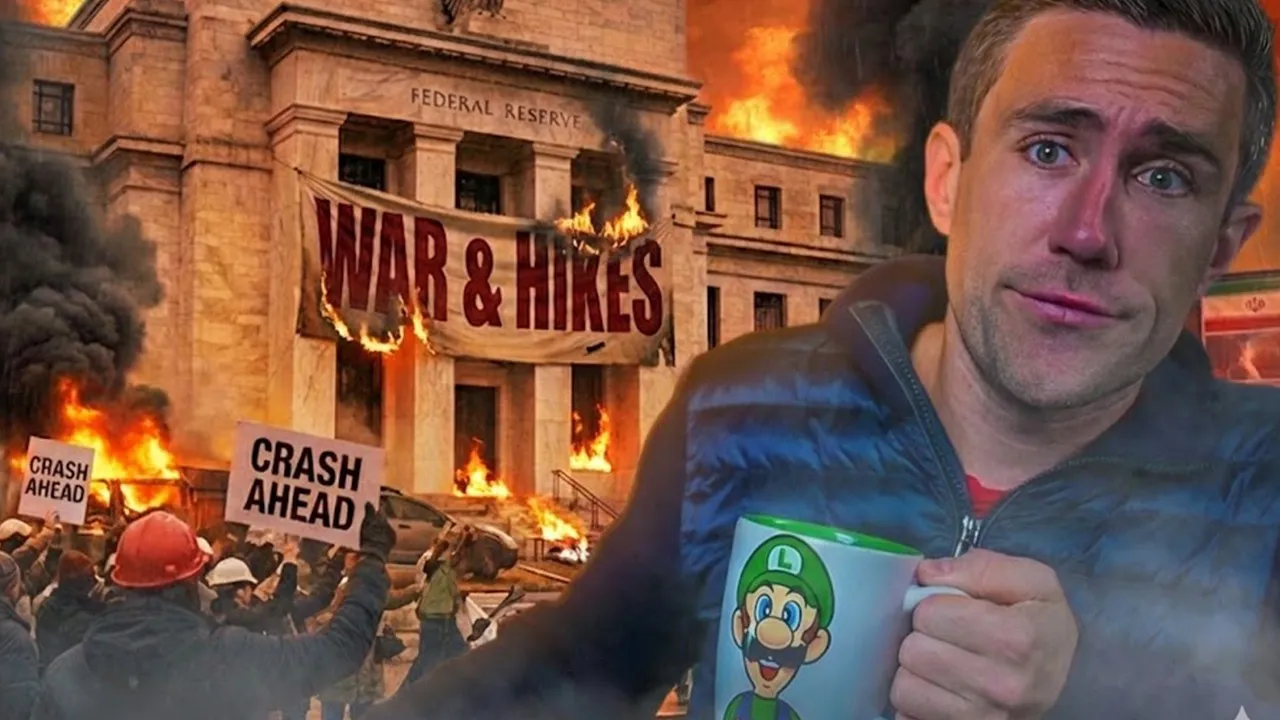
Fed Minutes Hint at No Rate Cuts, Geopolitical Fears Rise
Investors are facing a dual threat as the Federal Reserve signals a potential departure from anticipated interest rate cuts, while geopolitical tensions, particularly concerning Iran, escalate. Recent Federal Open Market Committee (FOMC) minutes suggest the Fed may be less inclined to lower rates than the market currently expects, a sentiment amplified by growing concerns over potential military action involving Iran.
Inflationary Pressures Complicate Fed’s Stance
Market expectations have been heavily leaning towards interest rate cuts by the end of 2025. As of early 2025, traders priced in at least two, and potentially three or four, rate cuts by December, with over a 75% probability assigned to two cuts. However, the latest FOMC minutes reveal a shift in the Federal Reserve’s perspective. The central bank is increasingly concerned about persistent inflation, particularly driven by factors like tariffs and rising energy costs, which could undermine the disinflationary trend observed in some sectors.
The minutes highlight that core goods price inflation has picked up, a development largely attributed to the effects of tariffs. While the Fed anticipates these tariff-related inflation effects to wane by mid-year, the risk of inflation becoming more entrenched is a significant concern. Participants noted that the moderation in housing services inflation, a key component of the Consumer Price Index (CPI), is being offset by other inflationary pressures. This has led to a recalibration of expectations, with some Fed officials cautioning that prematurely easing policy could be misinterpreted as a diminished commitment to the 2% inflation target, potentially entrenching higher inflation.
The psychological aspect of inflation is also a critical factor for the Fed. When consumers and businesses expect prices to rise, they tend to spend more in the present to avoid higher costs in the future. This behavior, known as ‘entrenchment,’ can create a self-fulfilling prophecy, boosting short-term GDP and retail sales but making inflation more persistent. The Fed’s minutes explicitly state this concern, indicating a greater focus on combating inflation, even if it means maintaining current interest rates for longer than anticipated.
Geopolitical Risk: A Major War with Iran Looms?
Adding to market uncertainty is the escalating tension with Iran. Reports suggest that former President Donald Trump is moving closer to a significant military confrontation with Iran, despite public statements indicating progress in diplomatic talks. These reports point to a substantial military buildup in the Middle East, with numerous U.S. military cargo flights moving weapons, systems, and ammunition, alongside the deployment of fighter jets. The scale of this buildup, involving heavy-lift aircraft like the C-17 Globemaster capable of transporting tanks and tactical vehicles, suggests preparations for a conflict potentially aimed at regime change, possibly in coordination with Israel.
Historically, geopolitical uncertainty has often led to a ‘buy the dip’ sentiment in markets, particularly benefiting safe-haven assets like gold, silver, and Treasury bonds, as well as oil due to potential supply disruptions. However, the potential for a major regional war introduces a significant layer of risk that could broadly impact global markets.
Market Impact: What Investors Should Know
The confluence of these two factors—a hawkish Fed stance and heightened geopolitical risk—creates a complex environment for investors:
- Interest Rate Policy: The market’s expectation of rate cuts is likely to be challenged. If the Fed holds rates steady or even signals a potential for a hike to combat inflation, this would be bearish for equities, which have benefited from a low-interest-rate environment. Conversely, it could be positive for bonds as yields may remain elevated or rise, making them more attractive.
- Inflation Dynamics: Tariffs and geopolitical events impacting energy prices are key drivers of current inflation concerns. While some disinflationary trends exist, particularly in housing services, the upward pressure from goods and energy could keep inflation elevated, forcing the Fed’s hand.
- Geopolitical Fallout: A conflict involving Iran could lead to significant volatility. Expect potential spikes in oil prices, increased demand for gold and silver as safe havens, and a general flight to quality, which might involve a sell-off in riskier assets like stocks and cryptocurrencies.
- Economic Outlook: The combination of persistent inflation and potential geopolitical instability could dampen economic growth. While the labor market has shown signs of stabilization, a prolonged period of high rates or a major conflict could lead to job losses, which the economy may struggle to absorb.
Sector and Asset Considerations
Certain sectors and assets may react differently:
- Energy: Likely to see increased prices due to supply disruption fears.
- Defense: Potential beneficiaries of increased military spending.
- Commodities: Gold and silver are expected to perform well amid uncertainty.
- Technology/Growth Stocks: May face headwinds from higher interest rates and reduced risk appetite.
- Bonds: Could see demand increase as a safe haven, though the Fed’s policy remains a key determinant of their trajectory.
- Real Estate: Higher interest rates could continue to pressure the housing market, though localized factors and housing services inflation remain key.
The coming months present significant challenges for market participants. While geopolitical events have historically presented buying opportunities in the long term, the immediate aftermath can be marked by sharp sell-offs and increased volatility. The Federal Reserve’s commitment to controlling inflation, even at the cost of market expectations for rate cuts, adds another layer of risk. Investors are advised to monitor both the Fed’s communications and geopolitical developments closely, as these two forces are poised to shape market performance significantly.
Source: Double Trouble: Rate Hikes and MAJOR War are Coming. (YouTube)