Fight High Cortisol: Simple Ways to Restore Body Response
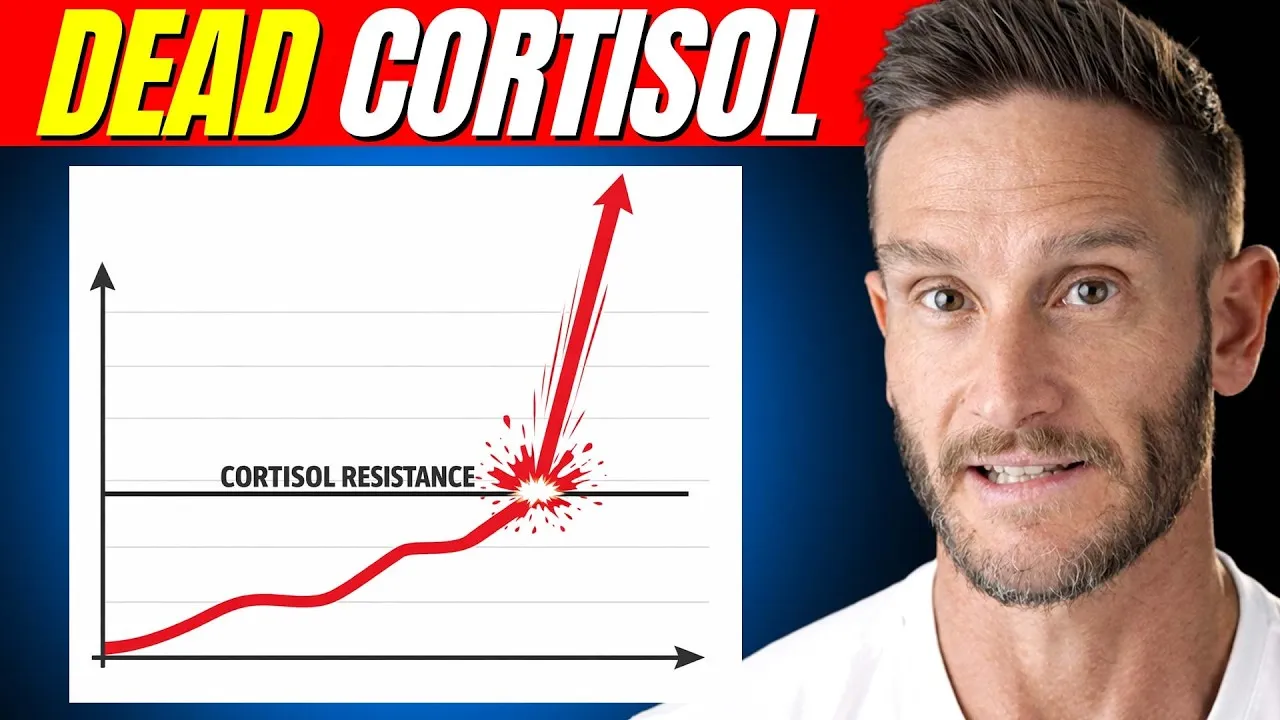
You might have heard of insulin resistance, where your cells stop responding to insulin, leading to high blood sugar. Now, imagine a similar problem happening with cortisol, a key stress hormone. This condition, known as cortisol resistance, means your cells also stop listening to cortisol’s signals to reduce inflammation. This can leave you feeling stressed and inflamed, even when cortisol levels are high.
Cortisol normally acts as an anti-inflammatory. When you experience acute stress, cortisol binds to special receptors on your immune cells. This binding helps to calm down inflammatory responses, preventing your immune system from overreacting. Think of a cortisone shot; it works by mimicking cortisol’s anti-inflammatory effects to reduce swelling and pain.
However, when stress becomes a long-term issue, this system can break down. Research published in the Annals of the New York Academy of Sciences suggests that chronic stress can lead to glucocorticoid resistance. This means your cells’ receptors for cortisol become less sensitive. Your body then tries to compensate by producing even more cortisol, but because the receptors are resistant, the hormone can’t do its job effectively.
The result is a vicious cycle: high cortisol levels that can’t control inflammation, leading to continued inflammation. This ongoing inflammation can then signal the body to produce even more cortisol. Additionally, high cortisol levels themselves can cause oxidative stress, which further damages these crucial receptors, making them even less responsive. This pattern is similar to insulin resistance, but it affects the stress and inflammation system.
This cortisol resistance has been linked to various health issues, including depression, autoimmune diseases, heart problems, and metabolic syndrome. The key isn’t just to lower cortisol, but to help your body respond to it properly again. Fortunately, several strategies can help break this cycle.
Six Tools to Help Restore Cortisol Response
1. Cold Exposure to the Face
Splashing cold water on your face or applying an ice pack to your forehead and cheeks can trigger the mammalian dive reflex. This reflex activates a nerve in your face, which then stimulates the vagus nerve. This can quickly shift your nervous system from a stressed state (sympathetic) to a calmer state (parasympathetic). A study in Scientific Reports found that using a cold face test before a stressful task reduced heart rate and improved heart rate variability, indicating a calmer stress response.
2. Glycine Before Bed
Taking three grams of the amino acid glycine before sleep can help improve sleep quality. Research published in Neuropsychopharmacology shows that glycine interacts with your brain’s master clock, helping to lower core body temperature, a signal for sleep onset. Studies in Frontiers in Neurology suggest that glycine can reduce fatigue and improve daytime performance, especially in those with sleep restrictions. It can also support the recovery of your stress response system overnight. Glycine can be found in bone broth if you prefer not to take a supplement.
3. Phosphatidylserine Supplementation
Phosphatidylserine is a fatty compound that plays a role in cell membranes. Studies have shown its potential benefits for stress. One study in the Journal of the International Society of Sports Nutrition found that 600 mg of phosphatidylserine daily for 10 days significantly reduced cortisol levels after exercise stress. More importantly for cortisol resistance, a randomized controlled trial in Lipids in Health and Disease showed that 400 mg of phosphatidylserine daily helped normalize the stress hormone response in chronically stressed men, suggesting it helps restore the body’s ability to manage cortisol.
4. A Small Amount of Raw Honey Before Bed
For some individuals, particularly those following a lower-carbohydrate diet, nighttime awakenings can be linked to low liver glycogen stores. Your brain uses about 10 grams of glucose overnight. If your liver’s glycogen (stored glucose) runs low, your brain might perceive it as a fuel emergency and trigger a cortisol and adrenaline response to release more glucose. This can wake you up, often around 3 a.m. Taking one teaspoon of raw honey about an hour before bed can provide a slow release of sugars that helps top off liver glycogen stores, potentially preventing this stress response. However, this strategy may not work for everyone and could be counterproductive for some.
5. Gargling or Humming
The vagus nerve is connected to the throat muscles. Gargling or deep humming can stimulate this nerve by contracting those muscles. This action promotes a parasympathetic response, helping to counteract the effects of chronic stress. Simple actions like 30 seconds of aggressive gargling can activate this calming branch of your nervous system.
6. Slow Nasal Breathing with Extended Exhale
Focusing on slow, nasal breathing with an exhale that is longer than the inhale (e.g., breathing in for 4 seconds and out for 6-8 seconds) can directly influence your autonomic nervous system. This type of breathing pattern activates the parasympathetic nervous system, signaling to your body that the perceived threat has passed and helping to balance your stress response. Even a minute or two of this can significantly impact your heart rate variability.
The Role of Cocoa Flavanols
A key factor in cortisol resistance is oxidative stress damaging the glucocorticoid receptors, making cortisol less effective. Research published in Pharmacological Research investigated the effect of cocoa flavanols, specifically epicatechin. This study found that while cortisol normally reduces inflammation, this effect was lost in the presence of oxidative stress.
However, when cocoa flavanols were added, they reduced the internal oxidative stress within immune cells. This protected the cells from developing cortisol resistance, and the anti-inflammatory effects of cortisol were preserved. This suggests that compounds found in chocolate, specifically epicatechin from high-flavanol cocoa, can help protect the cortisol response from damage.
It’s important to choose minimally processed cocoa or a standardized extract, not typical candy bars. Theobromine, a compound in cocoa, is similar to caffeine and can be stimulating. Therefore, it’s recommended to consume high-flavanol cocoa or dark chocolate (1-2 ounces) earlier in the day, ideally before 4 p.m., to avoid disrupting sleep.
Key Health Takeaways
- Cortisol resistance occurs when cells stop responding to cortisol, leading to unchecked inflammation despite high cortisol levels.
- Chronic stress is a major driver of cortisol resistance, creating a damaging cycle.
- Simple techniques like splashing cold water on your face can quickly activate calming reflexes.
- Taking glycine before bed may improve sleep and support stress hormone recovery.
- Phosphatidylserine supplementation could help normalize the body’s cortisol response in stressed individuals.
- A small amount of raw honey before bed might help prevent nighttime awakenings for some by stabilizing blood sugar.
- Gargling, humming, and slow nasal breathing with longer exhales can stimulate the vagus nerve and promote relaxation.
- Cocoa flavanols, found in high-flavanol dark chocolate or cocoa extracts, may protect cortisol receptors from oxidative damage.
- Consume high-flavanol cocoa products earlier in the day to avoid potential sleep disruption.
Disclaimer: This article is for informational purposes only and does not constitute medical advice. Always consult with a qualified healthcare professional before making any decisions about your health or treatment.
Source: You Have Cortisol Resistance (this stops it) (YouTube)