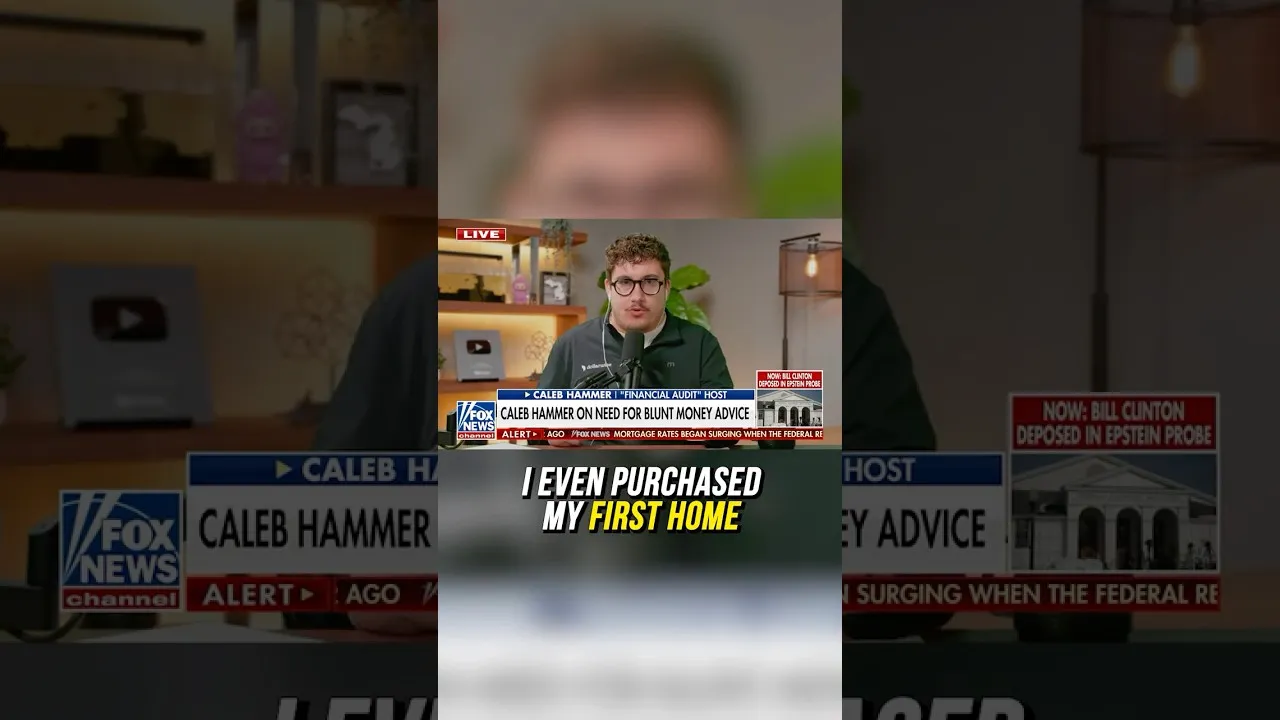
Financial Audit Host Unpacks Consumer Debt Crisis
In an era where financial literacy often takes a backseat to aspirational content, a prominent YouTube personality is shedding light on the pervasive issue of consumer debt and poor spending habits. Caleb Hammer, the host of the popular YouTube channel that scrutinizes individuals’ financial situations, argues that a generational lack of education is fueling a cycle of debt that impacts millions of Americans.
Hammer, who gained traction by confronting individuals about their spending, revealed in a recent interview that his own upbringing was marked by financial instability. “I’m the average guy that grew up with foreclosure notices on the house, going tens of thousands of dollars into student loan debt,” he explained. This personal experience, he asserts, is the driving force behind his mission to encourage more responsible financial behavior.
Generational Financial Missteps
Hammer pointed to a common generational pattern where credit is prioritized over savings, leading to a precarious financial foundation. He shared a personal anecdote from his own youth: “Even myself when I turned 18, I asked for advice from my parents and one of the first things I was told was to max out a credit card for a piano I wanted.” This advice, he contends, exemplifies a broader societal issue where credit cards are often viewed as a primary financial tool, even for non-essential purchases, rather than a means of building credit responsibly.
“It’s generational in terms of the education, an emergency credit card instead of an emergency fund,” Hammer stated. “We use credit cards for everything. It’s American and it’s not good for the average.” This reliance on credit, he believes, creates a false sense of financial security and can lead to significant debt accumulation, particularly when unexpected expenses arise.
The Importance of Financial Education
Hammer’s platform serves as a stark reminder of the consequences of unchecked spending and the critical need for robust financial education. By highlighting real-world examples of financial struggles, he aims to provide the kind of difficult but necessary conversations that many individuals wish they had received earlier in life.
“I had the wakeup call, wanting to live a sense of peace in my life. And I wanted to pass that message along to other people who are struggling and need the same exact conversation I wish I had decades ago,” he said. The influencer’s approach, while confrontational at times, is rooted in a desire to empower viewers with the knowledge to avoid common financial pitfalls.
Market Impact and Investor Considerations
While Hammer’s content focuses on individual financial management, the underlying themes have broader implications for the economy and financial markets. Widespread consumer debt can impact aggregate demand, corporate earnings, and the stability of the financial system. High levels of credit card debt, for instance, can lead to increased defaults, affecting banks and credit card companies.
For investors, understanding the consumer’s financial health is crucial. A consumer base burdened by debt may cut back on discretionary spending, impacting sectors like retail, automotive, and travel. Conversely, responsible financial behavior and increased savings can lead to greater investment in assets like stocks and bonds, potentially driving market growth.
The generational aspect highlighted by Hammer also suggests that long-term economic trends could be shaped by current financial habits. If younger generations continue to accumulate significant debt early in life, it could delay major life purchases such as homeownership and impact their long-term wealth accumulation. This, in turn, could influence the housing market, retirement savings, and overall economic productivity.
What Investors Should Know
- Consumer Spending Trends: Monitor consumer debt levels and spending patterns, as they are key indicators of economic health and can signal shifts in various market sectors.
- Financial Services Sector: The profitability of banks and credit card companies is directly linked to consumer credit behavior. Defaults and delinquencies can pose risks.
- Long-Term Economic Outlook: Generational financial habits, such as debt accumulation versus saving, can have profound long-term effects on economic growth, asset markets, and wealth inequality.
- The Role of Financial Literacy: Initiatives promoting financial education could lead to more stable consumer finances, benefiting both individuals and the broader economy.
Hammer’s critique of financial habits serves as a potent reminder that personal finance is not just an individual concern but a significant factor in the collective economic landscape. The cycle of debt, often perpetuated by generational advice, underscores the persistent need for financial prudence and education across all age groups.
Source: Fox News Exposes Financial Audit (YouTube)