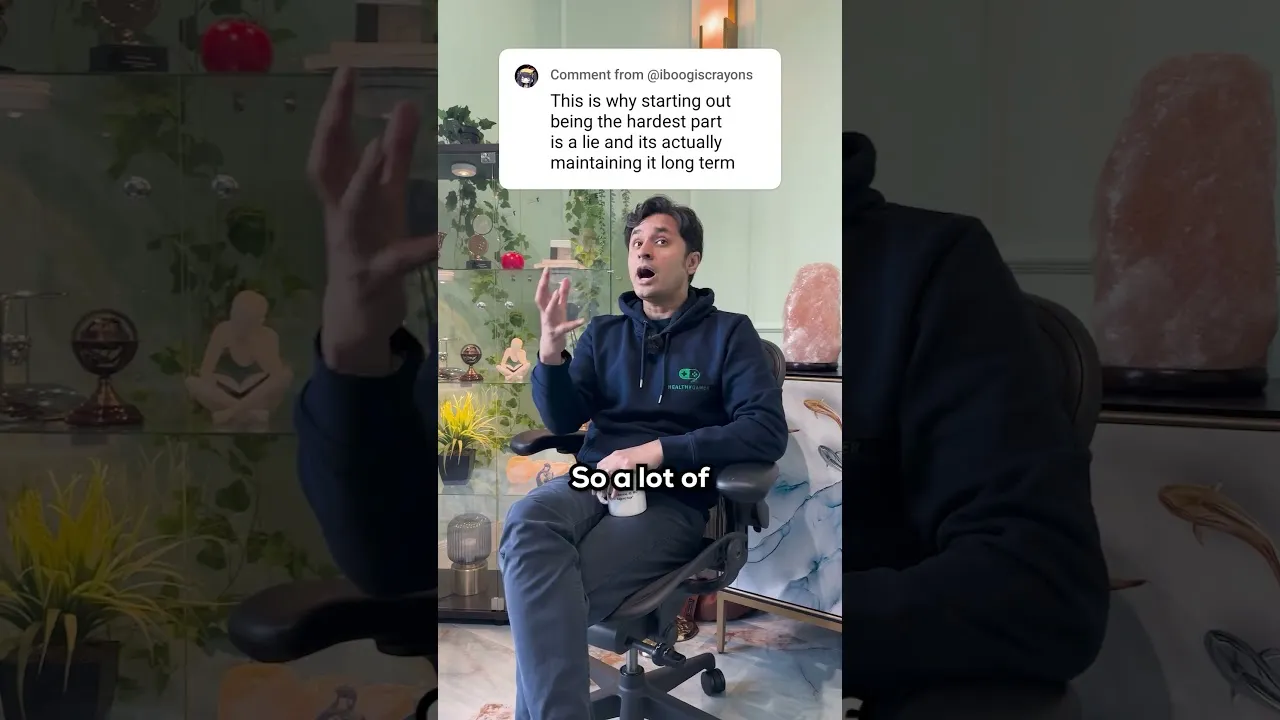
Finish Strong: Why Starting Isn’t the Hardest Part
We often tell ourselves that getting started on a task is the most difficult step. This idea, however, might be holding us back from actually completing what we set out to do. Research and expert insights suggest that the real challenge often lies not in beginning, but in the sustained effort required to reach the finish line.
Think about it: for every ten tasks you begin, how many do you actually see through to completion? The numbers often reveal that finishing is a much rarer achievement than starting. This common saying, “getting started is the hardest part,” may have originated as a way to encourage people who struggle with procrastination. It’s a form of self-validation that helps ease the initial hurdle of beginning a task.
The Problem with the “Starting” Myth
While validating the difficulty of starting is important, this idea can become a crutch. When we internalize “getting started is the hardest part” as an absolute truth, it can prevent us from acknowledging the true effort needed for completion. This belief becomes a form of ‘copium’ – a psychological comfort that makes the task seem less daunting initially. However, it can lead to a mindset where we accept less than full completion, impacting our overall productivity and sense of accomplishment.
This mindset shift is crucial. In the past, there was a stronger emphasis on perseverance, even in the face of difficult odds. The message was often to fight for what you believe in, to push through challenges, and to not simply accept defeat without a struggle. This older perspective encouraged a more resilient approach, where the fight itself, regardless of the outcome, was valued.
Focusing on Completion
The real difficulty often lies in maintaining momentum, overcoming obstacles, and pushing through the less exciting middle stages of a project. These are the phases where motivation can wane, and the initial excitement of starting fades. It requires discipline, problem-solving skills, and a commitment to seeing the task through, even when it becomes challenging or tedious.
Consider a marathon runner. The starting gun is exciting, but the true test of endurance, mental fortitude, and physical conditioning comes in the miles that follow. Finishing that marathon is the culmination of immense effort, planning, and pushing past perceived limits – far more demanding than simply stepping onto the starting line.
Shifting Your Mindset for Success
To overcome the “starting is hardest” myth, try reframing your perspective. Instead of focusing solely on the initial push, set clear goals for completion. Break down large tasks into smaller, manageable steps, and celebrate milestones along the way. This approach helps maintain motivation and provides a clearer path toward the finish line.
Acknowledge that challenges will arise. Instead of seeing them as reasons to give up, view them as opportunities to learn and adapt. Developing strategies for problem-solving and persistence is key. This proactive approach ensures that when difficulties appear, you are equipped to handle them rather than abandoning the task.
Key Health Takeaways
- Recognize that finishing a task is often harder than starting it.
- Challenge the belief that starting is the most difficult step; it can be a psychological comfort that hinders completion.
- Focus on perseverance and the sustained effort needed to see projects through to the end.
- Break down large tasks into smaller steps to maintain momentum and celebrate progress.
- Develop strategies for overcoming obstacles and adapt when challenges arise.
Disclaimer: This article is for informational purposes only and does not constitute medical advice. Always consult with a qualified healthcare professional for any health concerns or before making any decisions related to your health or treatment.
Source: The Lie About "Getting Started" (YouTube)