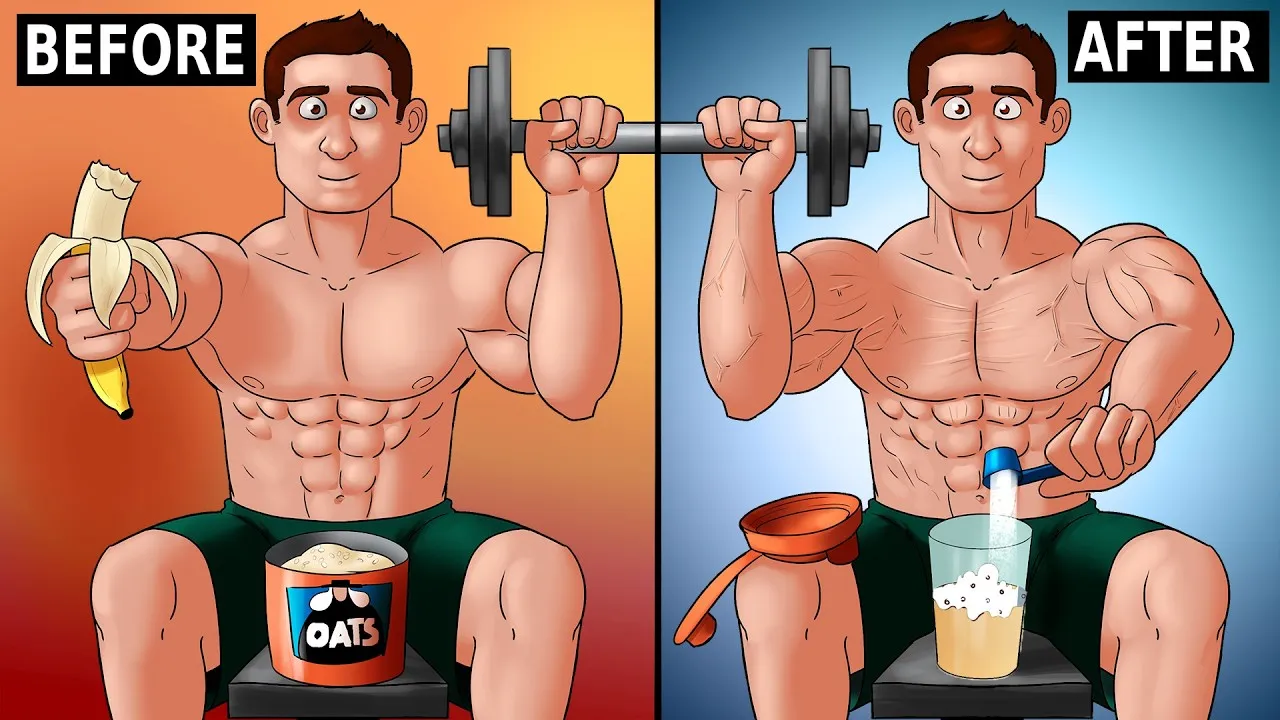
Fuel Your Lifts: Eat Right for Peak Workout Performance
The foods you consume before and after your weightlifting sessions play a crucial role in your overall performance, muscle growth, fat loss, and recovery. While many focus intensely on their training regimen, neglecting nutritional timing can significantly hinder progress. Strategically planning your pre- and post-workout meals can lead to superior results, ensuring your efforts in the gym translate effectively into tangible gains.
The Power of Pre-Workout Nutrition
For most individuals, working out on an empty stomach can lead to subpar performance. A well-timed pre-workout meal is essential to power your lifting sessions. Weightlifting, especially when aiming for heavy loads, is primarily fueled by glucose, a simplified form of carbohydrates. While protein is vital throughout the day and beneficial in meals, its role before a workout is secondary to carbohydrates for immediate energy. However, including a moderate amount of protein in your pre-workout meal can help spare muscle breakdown and aid in recovery.
The ideal pre-workout meal balances easily digestible carbohydrates for energy with a small amount of protein. It’s crucial to be mindful of dietary fat and high-fiber foods before lifting. These can slow down digestion, potentially causing discomfort during exercise. The goal is to consume foods that are easy on your digestive system.
Timing is Key
Aim to eat your pre-workout meal anywhere from 1 to 3 hours before your session. The optimal window is often around 2 hours, but this can vary based on your individual digestion speed.
Pre-Workout Food Recommendations
- Bananas: An excellent source of easily digestible carbohydrates for quick and sustained energy. They also provide potassium, which supports muscle function and can help prevent cramps. Bananas are gentle on the stomach and convenient for busy schedules. Pair with a small portion of Greek yogurt (10-15g protein) for added muscle support.
- White Rice: Provides fast-acting carbohydrates to replenish glycogen stores, fueling your muscles. Its lower fiber content compared to brown rice ensures quicker digestion without discomfort. Combine with lean protein sources like grilled chicken, ground turkey, or egg whites.
- Oats with Berries: Offers a mix of slower-digesting carbs from oats for sustained energy and natural sugars from berries for a quicker boost. This combination can keep you energized throughout your workout. Enhance with Greek yogurt, protein powder mixed into the oats, or high-protein milk. A side of boiled egg whites can also complement this meal.
- Rice Cakes: A convenient, quick-digesting carbohydrate option for an immediate energy boost without feeling heavy. Top with PB2 (a low-fat peanut butter powder) for added flavor and protein, or with turkey or chicken deli slices.
- White Bread: While less nutrient-dense than whole grains, white bread digests very quickly (30-60 minutes), making it a practical choice for a pre-workout carb source. Enjoy it toasted with egg whites or topped with lean protein like turkey or chicken slices.
Post-Workout Recovery: Rebuilding and Replenishing
While some individuals can successfully train on an empty stomach, particularly those practicing intermittent fasting, a post-workout meal is non-negotiable for recovery and growth. Although immediate consumption isn’t strictly necessary, refueling within a few hours after your session is crucial.
Your post-workout nutrition should prioritize protein to repair muscle damage incurred during training and carbohydrates to replenish depleted glycogen stores. Healthy fats also play a role in a comprehensive recovery meal.
Post-Workout Food Recommendations
- Protein Shake with Banana: A classic for a reason. Blend whey protein with water and a banana for essential recovery nutrients. For increased calories and muscle gain, use whole milk instead of water, add uncooked oats, and a spoonful of peanut butter for a more calorie-dense and nutrient-rich shake.
- Salmon with Sweet Potatoes: This meal offers a perfect balance of high-quality protein (salmon), healthy omega-3 fatty acids (salmon) to reduce inflammation, and complex carbohydrates (sweet potatoes) to restore glycogen. Sweet potatoes also provide essential vitamins like C and potassium. This nutrient-dense option aids in muscle repair, energy restoration, and reduces soreness. It’s also an ideal meal to incorporate vegetables like broccoli or Brussels sprouts.
- Chicken, Brown Rice, and Vegetables: A bodybuilding staple, this meal provides high-quality protein from chicken for muscle rebuilding, slow-digesting complex carbs from brown rice for sustained energy, and micronutrients from vegetables. Sautéing with olive or avocado oil and seasonings enhances flavor and satisfaction.
- Hard-Boiled Eggs with Fruit: A simple, grab-and-go option. The eggs provide high-quality protein, essential nutrients like B vitamins and choline, and healthy fats. Fruit offers natural sugars for glycogen replenishment, fiber, and vitamins.
- Tuna Packets with Whole Grain Crackers/Bread: Convenient and protein-rich. Choose flavored tuna packets for taste and consume with whole grain crackers or bread to replenish complex carbohydrates and energy stores. Ensure adequate protein intake based on your needs.
- Lean Beef Burger with Whole Grain Bun and Sweet Potato Fries: A satisfying meal providing high-quality protein (lean beef), complex carbohydrates (whole grain bun, sweet potato fries), and essential nutrients like iron and zinc. Sweet potato fries also offer vitamins A and C, supporting recovery and reducing inflammation.
- Shrimp with Quinoa and Avocado: Combines lean protein (shrimp), nutrient-dense complex carbohydrates with all essential amino acids (quinoa), and healthy fats with potassium and vitamins (avocado). This light yet potent meal aids recovery and energy restoration.
- Protein Bar with Rice Cakes or Carb Drink: A quick option for when time is limited. A protein bar paired with additional carbs (like rice cakes) or a sports drink containing carbohydrates can provide immediate post-workout refueling. However, whole meals are preferable when possible.
General Principles
Before your workout, focus on easily digestible, low-fat, low-fiber foods to maximize energy availability. After your workout, incorporate more fiber, healthy fats, and slower-digesting sources of protein and carbohydrates to optimize muscle repair and glycogen replenishment.
Disclaimer: This article is for informational purposes only and does not constitute medical advice. Always consult with a qualified healthcare provider or registered dietitian before making any significant changes to your diet or exercise routine.
Source: What to Eat Before & After Lifting Weights (YouTube)