Google Pixel 10a Stuns With Near Identical Re-Release
In a move that has left tech enthusiasts scratching their heads, Google has unveiled the Pixel 10a, a smartphone that is remarkably, almost indistinguishably, similar to its predecessor, the Pixel 9a. This marks a peculiar departure from the typical incremental updates seen in the smartphone market, presenting a device that feels more like a subtle refresh than a new generation.
The Unchanged Exterior
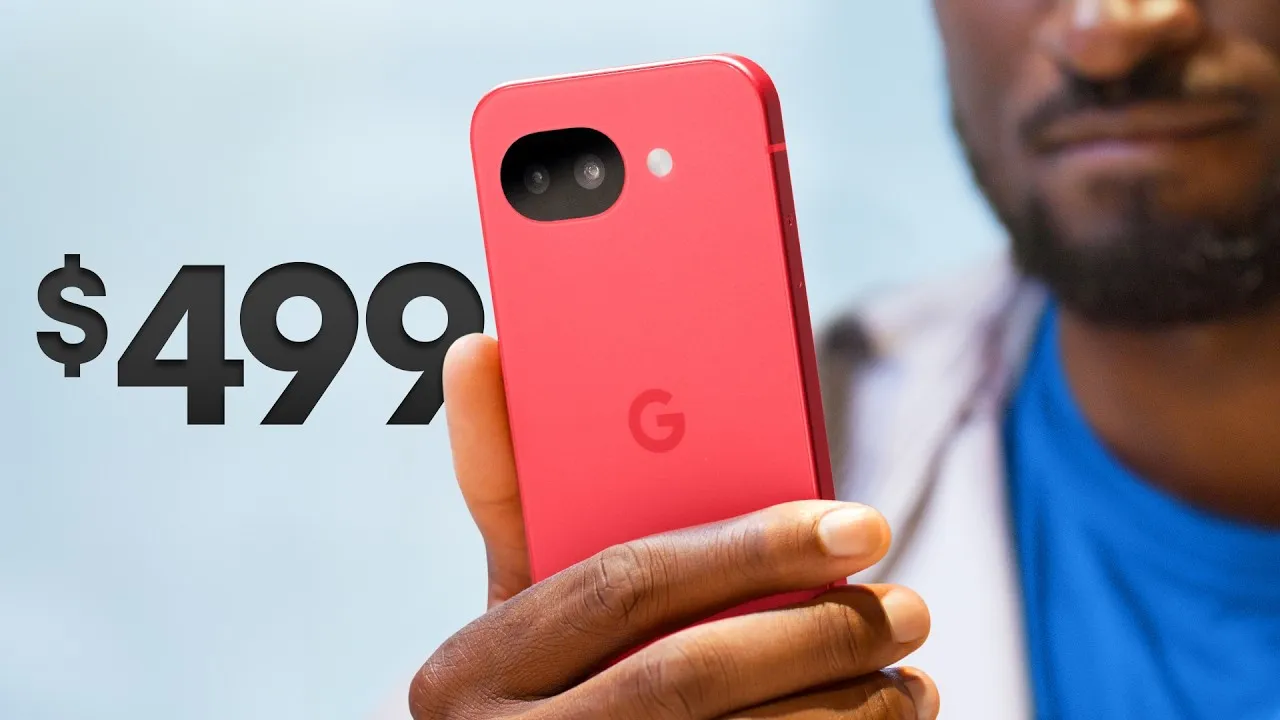
From a design perspective, the Pixel 10a is a mirror image of the Pixel 9a. The dimensions, shape, and overall aesthetic remain identical. The device sports a utilitarian, flat design with aluminum sides and a plastic back, foregoing the glass finish found on higher-end models. A notable carry-over is the slightly thicker chassis, a design choice that cleverly eliminates the camera bump and accommodates a larger battery. This results in a completely flush dual-camera setup on the rear, a feature appreciated by many users. The battery capacity remains a substantial 5,100 mAh, a strong point for a phone in this price segment. All buttons, ports, speakers, and antenna lines are in their familiar positions, and the IP68 water and dust resistance rating is retained.
Subtle Aesthetic Shifts and Display Enhancements
The only visual cues to differentiate the Pixel 10a from the 9a lie in the color options. While the names of the colors have been updated to Fog, Obsidian, Berry, and Lavender, the actual difference in hue is described as minimal. The front display is also largely the same: a 6.3-inch panel with rounded corners and noticeable bezels, featuring a central hole-punch cutout for the selfie camera and an under-display fingerprint sensor. The display still offers a 60Hz to 120Hz adaptive refresh rate, though it defaults to 60Hz. However, there are a few key, albeit minor, upgrades. The display is now approximately 10% brighter, reaching a peak brightness of 3,000 nits. It’s also protected by the newer Gorilla Glass 7i, an upgrade from the Gorilla Glass 3 on the Pixel 9a. Google claims the bezels are also slightly thinner.
Internal Similarities and Camera Specs
Under the hood, the Pixel 10a carries over the same Tensor G4 chip that powered last year’s model. This means no performance leap in terms of the core processor. The device is equipped with 8GB of RAM and starts with 128GB of internal storage, mirroring the Pixel 9a’s specifications. The camera hardware also appears to be identical, featuring a 48-megapixel main sensor and a 13-megapixel ultrawide lens. This lack of internal upgrades is particularly striking, as previous A-series Pixels often inherited the flagship chip from their higher-end counterparts released a year prior. The Pixel 10a continues this trend of using an older-generation chip, with the Tensor G4 now feeling somewhat dated.
Minor Upgrades and Connectivity
Beyond the display enhancements, the Pixel 10a introduces a few other subtle improvements. Charging speeds have seen a slight bump, with peak wired charging now at 30 watts, up from 23 watts on the Pixel 9a. Wireless charging also sees a modest increase from 7.5 watts to 10 watts. Google also highlights an increased use of recycled materials in the construction of the Pixel 10a. Perhaps the most significant new feature for some users is the addition of Satellite SOS in certain regions, allowing for emergency communication via satellite when cellular service is unavailable. This feature, combined with the other minor upgrades, forms the entirety of the list of differences between the Pixel 10a and the Pixel 9a.
Why This Matters: Software Over Hardware?
The decision to release a phone so similar to its predecessor raises questions about Google’s strategy for its budget-friendly A-series. While the company is known for its software prowess, and many Pixel-exclusive features enhance the user experience, the lack of hardware innovation on the Pixel 10a is notable. Features like Auto Best Take, Camera Coach, Call Screening, Hold for Me, and Clear Calling are all present, alongside seven years of software and security updates. The enhanced Quick Share functionality, allowing seamless file sharing between Pixel and Apple devices, is also a compelling software addition. However, the omission of features like magnets for accessory attachment (similar to Apple’s MagSafe) and the decision to stick with 128GB as the base storage, especially in 2026, are points of criticism. It appears Google is doubling down on the software-defined nature of its Pixel phones, suggesting that for the A-series buyer, the user experience is prioritized over cutting-edge hardware. This approach challenges the industry’s typical annual hardware churn, with companies like Nothing also questioning the necessity of yearly releases. Google’s rationale seems to be maintaining a yearly release cycle to cater to consumers who upgrade every few years, ensuring a new model is always available on the shelf.
Pricing and Availability
Despite the minimal changes, the Google Pixel 10a maintains the same starting price as its predecessor: $499. This makes it a potentially attractive option for those seeking a budget-friendly smartphone with a strong software experience, especially if they are upgrading from an older device. However, for owners of the Pixel 9a, the upgrade proposition is virtually non-existent. The Pixel 10a is available starting from its launch date, with the same color options and storage configurations as previously mentioned.
Conclusion: A Routine Release?
The Google Pixel 10a feels less like a product launch and more like a routine update. The overwhelming similarity to the Pixel 9a suggests that Google is leaning heavily on its software ecosystem to differentiate its devices, rather than pushing hardware boundaries in its budget line. While the price point remains competitive and the software features are undoubtedly strong, the lack of significant hardware upgrades, particularly the continued use of the Tensor G4 chip and base 128GB storage, may leave many consumers wanting more. It raises the question: is a yearly hardware release necessary if the core experience remains largely unchanged?
Source: Google Pixel 10A Impressions: (Never) Seen This Before (YouTube)