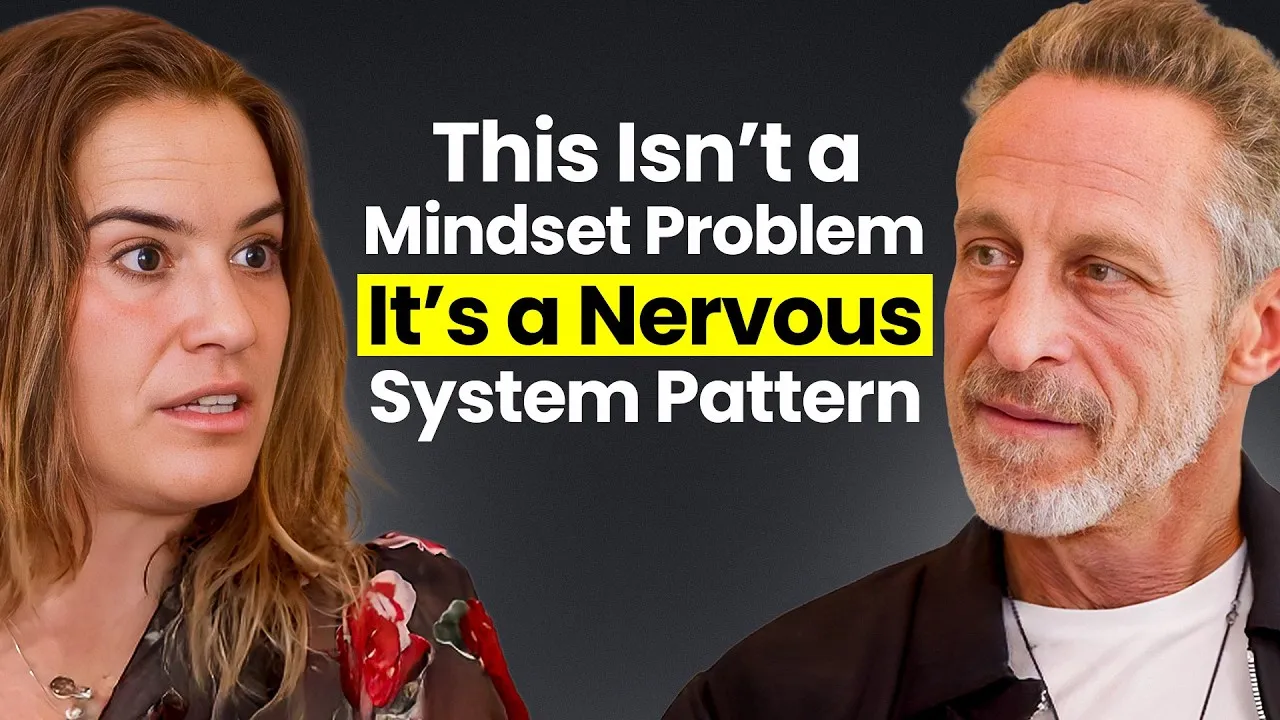
Heal Anxiety by Rewiring Your Nervous System
Many people find themselves trapped in cycles of anxiety and stress, believing these reactions are simply part of their personality. However, groundbreaking work by holistic psychologist Dr. Nicole LePera and functional medicine expert Dr. Mark Hyman suggests that these patterns are deeply rooted in our nervous system’s response to early life experiences. This understanding offers a path toward genuine healing and lasting change.
The Mind-Body Connection: Beyond Talking It Out
For decades, traditional talk therapy has been a primary approach to mental health. While insight and understanding are valuable, Dr. LePera, author of the New York Times bestseller “Reparenting the Inner Child,” highlights a critical missing piece: the physical body. She explains that even with the healthiest diet or lifestyle choices, a nervous system stuck in a state of alert, bracing for the next threat, cannot achieve true repair or safety.
Dr. Hyman shares a personal anecdote illustrating this point. Despite his professional success and understanding of his own patterns, he experienced intense physical anxiety—a tightening chest and stomach—when faced with simple requests, like declining a speaking engagement. This reaction, he realized, wasn’t just a thought process; it was a deep-seated physiological response originating from his childhood experiences of needing to please others for security.
Understanding the Nervous System’s Role
Our nervous system is designed to keep us safe. In childhood, when we experienced stress, neglect, or trauma, our nervous system adapted by developing survival mechanisms. These adaptations, such as people-pleasing or overachieving, helped us cope in the moment. However, as our environments evolved and we gained more resources, our nervous systems often continued to operate as if those early dangers were still present.
Dr. LePera explains that this chronic activation of the nervous system can manifest as anxiety, depression, and even physical health issues like autoimmune diseases, obesity, diabetes, and heart disease. The Adverse Childhood Experiences (ACEs) study provides compelling evidence for this link. Higher ACE scores, which measure exposure to abuse, neglect, and household dysfunction during childhood, are significantly correlated with increased risk for these chronic health conditions later in life.
Reparenting the Inner Child: A Somatic Approach
The core of Dr. LePera’s approach, detailed in her book, is “reparenting the inner child.” This isn’t about dwelling on the past but about acknowledging and soothing the parts of ourselves that learned to cope in childhood. It involves recognizing that our bodies hold the memory of past experiences, even if our conscious minds have moved on.
“The body spoke first,” Dr. LePera emphasizes. “And so few of us… are practiced in living in a body.” The goal is to develop a new relationship with oneself, one that prioritizes self-awareness and self-regulation. This means learning to tune into bodily sensations, understand their messages, and respond with self-compassion rather than judgment.
The Science Behind the Healing
Dr. Hyman notes that his own journey, including an experience with Ibogaine (a psychedelic substance known for its potential to reset neurochemical systems), brought him to a similar understanding of the need for nervous system recalibration. He found that by revisiting childhood memories as his adult self and offering comfort and reassurance to his younger self, he could begin to unhook from old patterns.
This process of “reparenting” involves becoming aware of the body’s reactions in real-time. When faced with a trigger, instead of just rationalizing or suppressing the feeling, the practice is to honor the body’s response. This might involve experimenting with different ways to self-soothe or seeking support, even if we don’t immediately know the perfect solution.
Generational and Societal Impacts
The conversation extends beyond individual childhood experiences to include generational and societal factors. Dr. Hyman discusses epigenetics, explaining how ancestral trauma and stress responses can be passed down, influencing our genetic predispositions and emotional states. Even our prenatal environment and the broader societal stressors—such as disconnection from nature, constant digital stimulation, and financial insecurity—contribute to a dysregulated nervous system.
Dr. LePera’s integrated model draws from various psychological theories, including Jungian concepts of the inner child and individuation, but crucially adds the dimension of the physical body. She argues that previous developmental models often overlooked the somatic experience, leaving individuals without the tools to truly heal from deep-seated emotional and physical health issues.
Actionable Steps Toward Nervous System Regulation
The path to healing involves consistent practice and making new choices. It requires moving beyond intellectual understanding to embodied action. This means:
- Tuning into your body: Pay attention to physical sensations, especially during moments of stress or emotional distress.
- Honoring your reactions: Acknowledge that your body’s responses are real and stem from past experiences, not a current deficit.
- Practicing self-compassion: Treat yourself with the kindness and understanding you might have needed as a child.
- Experimenting with self-soothing: Explore different techniques like breathwork, mindfulness, or gentle movement to help regulate your nervous system.
- Seeking support: Connect with trusted friends, family, or mental health professionals who can provide co-regulation and guidance.
By shifting focus from solely thinking about our problems to actively engaging with our bodies and rewiring our nervous systems, we can begin to break free from anxiety traps and cultivate a greater sense of safety, well-being, and wholeness.
Key Health Takeaways
- Anxiety and stress responses are often rooted in the nervous system’s adaptation to childhood experiences, not just current thoughts.
- Talk therapy alone may be insufficient if the body’s physiological responses are not addressed.
- The Adverse Childhood Experiences (ACEs) study links childhood trauma and neglect to long-term physical and mental health problems.
- “Reparenting the inner child” involves acknowledging and soothing past wounds through self-compassion and somatic awareness.
- Nervous system regulation is key to managing anxiety, with practices like mindfulness, breathwork, and self-awareness being crucial.
- Generational trauma and modern societal stressors can also contribute to nervous system dysregulation.
This article is for informational purposes only and does not constitute medical advice. Always consult with a qualified healthcare provider for any health concerns or before making any decisions related to your health or treatment.
Source: The Anxiety Trap: Why Thinking Doesn't Help | Dr. Nicole LePera & Dr. Mark Hyman (YouTube)