Unlock the Secrets Behind Red Bull’s Global Dominance
Red Bull is more than just an energy drink; it’s a global phenomenon built on a foundation of unconventional marketing and strategic partnerships. This article delves into the core elements that propelled Red Bull from a niche beverage to a household name, exploring its unique operational structure, innovative marketing strategies, and its pivotal role in shaping various sports industries.
What You’ll Learn:
- The surprisingly simple product lineup that forms Red Bull’s core offering.
- How Red Bull outsources its manufacturing to focus on what matters most: marketing.
- The origin story of Red Bull and its transformation from a Thai drink to a Western sensation.
- Red Bull’s groundbreaking approach to athlete and sports sponsorship.
- How Red Bull became an institution that defines and elevates entire sports.
Prerequisites
No prior business or marketing knowledge is required. A curiosity about how brands become global leaders is all you need.
Step 1: The Power of Simplicity in Product
Red Bull’s product strategy is remarkably streamlined. The company focuses on a core offering that includes its traditional flavor, sugar-free, and zero-sugar variants, along with 14 fruit-flavored editions. These are available in a few sizes tailored for different markets and distribution channels. This focused approach contrasts sharply with competitors like Monster Energy, which offers a much larger and more complex range of products. By keeping its product line manageable, Red Bull can dedicate more resources to its core strength: marketing.
Tip:
A focused product strategy allows for greater efficiency in production, marketing, and brand messaging. It helps consumers easily understand and choose what they want.
Step 2: Strategic Outsourcing of Manufacturing
A key factor in Red Bull’s success is its decision not to manufacture its beverages in-house. Instead, the company partners with the Austrian fruit juice company, Rauch. This arrangement, which dates back to the company’s early days, allows Red Bull to concentrate its efforts and capital on marketing and brand building. Rauch handles the production, often at facilities co-located with Ball Corporation, which manufactures Red Bull’s custom cans. This symbiotic relationship ensures a consistent supply chain while keeping Red Bull’s operational overhead low.
Expert Note:
This asset-light model is a common strategy for companies that want to scale rapidly without the massive capital expenditure associated with building and maintaining manufacturing facilities. It allows for flexibility and adaptation to market demands.
Step 3: The Genesis of a Global Brand
The story of Red Bull began with Dietrich Mateschitz, who was inspired by energy drinks popular in Asia during the 1970s and 80s. While working for a consumer goods company, he discovered Krating Daeng, a Thai energy drink. Recognizing its potential, Mateschitz partnered with the Thai manufacturer to reformulate and rebrand the drink for Western markets. The original Krating Daeng was more of a medicinal shot; Mateschitz transformed it into a palatable, carbonated beverage suitable for sipping, fitting into larger cans. This rebranding and reformulation were crucial for its acceptance outside of Asia.
Warning:
Gaining regulatory approval for a novel product like an energy drink containing taurine was a significant hurdle. Red Bull faced initial resistance in many Western markets due to concerns about the ingredient’s long-term effects.
Step 4: The European Union’s Single Market Advantage
A turning point for Red Bull’s expansion was the launch of the European Union’s single market in 1993. This initiative removed most trade barriers between member states, meaning a product approved in one EU country could generally be sold in all others. This liberalization allowed Red Bull to rapidly expand its reach across Europe, overcoming the regulatory hurdles that had previously stalled its growth. While some markets took longer to approve, the single market provided the framework for widespread distribution.
Step 5: Marketing Through Athletes and Extreme Sports
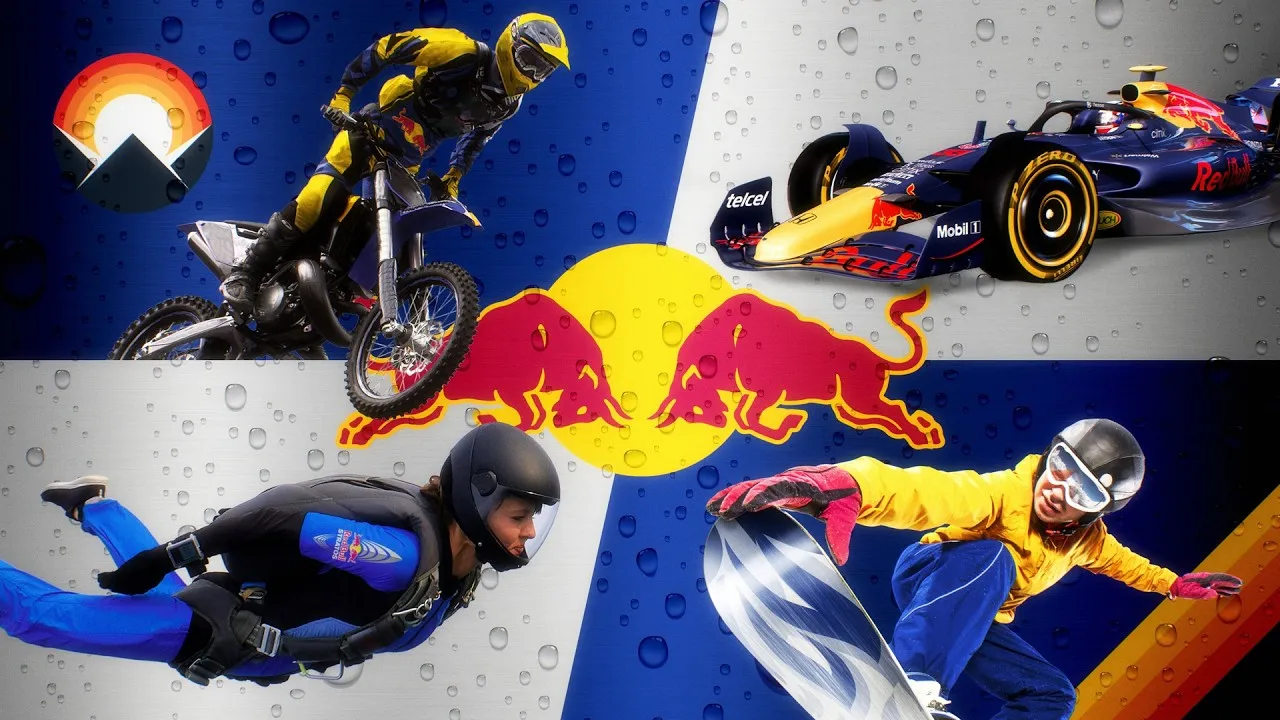
Red Bull’s marketing strategy is legendary for its focus on associating the brand with performance, energy, and extreme sports. Mateschitz understood that instead of traditional advertising, he could build brand awareness by aligning with athletes. The company’s first sponsorship was with Austrian Formula 1 driver Gerhard Berger in 1985, providing him with a modest sum to carry the drink. This strategy evolved into sponsoring individual athletes across a wide spectrum of niche and high-adrenaline sports, from freestyle motocross rider Robbie Maddison to canoe slalom champion Jessica Fox.
Tip:
By sponsoring individual athletes, Red Bull could ensure that its logo was prominently displayed by top performers in visually exciting contexts, creating a subconscious association between the brand and peak physical achievement.
Step 6: Cultivating and Creating Sports
Red Bull’s influence extends beyond sponsoring existing athletes; the company actively shapes and even creates sports. In niche sports lacking strong governing bodies, Red Bull stepped in to organize high-profile events with significant prize money. These events, such as the Red Bull Cliff Diving World Series and Red Bull Rampage for freeride mountain biking, quickly became the premier competitions in their respective fields. By becoming the central organizing force, Red Bull standardized the sport, attracted top talent, and ensured maximum media exposure, all under its brand umbrella.
Expert Note:
This approach allowed Red Bull to control the narrative and maximize the visual impact of its brand within sports that generated captivating content, reinforcing its image as a supporter of pushing boundaries and achieving the extraordinary.
Step 7: Dominating Formula 1
As Red Bull grew financially, it ventured into major sports, with Formula 1 being a natural fit due to Mateschitz’s passion for racing. In 2004, Red Bull acquired the struggling Jaguar Racing team from Ford for a nominal sum. They invested heavily, recruited top talent like Christian Horner and Adrian Newey, and quickly achieved success. By 2010, Red Bull Racing secured its first driver’s and constructor’s championships, marking the beginning of a dominant era. This high-profile involvement in one of the world’s most watched sports cemented Red Bull’s global brand recognition.
Tip:
Success in Formula 1 generates immense global media attention, allowing Red Bull to reach millions of potential consumers worldwide, reinforcing the brand’s association with winning and peak performance.
Conclusion: An Institution, Not Just a Drink
Red Bull’s strategy has transformed it from a beverage company into a global institution. By focusing on a simple product, outsourcing manufacturing, and pioneering a unique marketing approach centered on extreme sports and athlete empowerment, Red Bull has built unparalleled brand loyalty and market dominance. The company’s impact on athletes’ careers and the development of various sports is undeniable, creating a deep connection with its audience that transcends mere product consumption.
Source: How Red Bull Built Its Empire (YouTube)