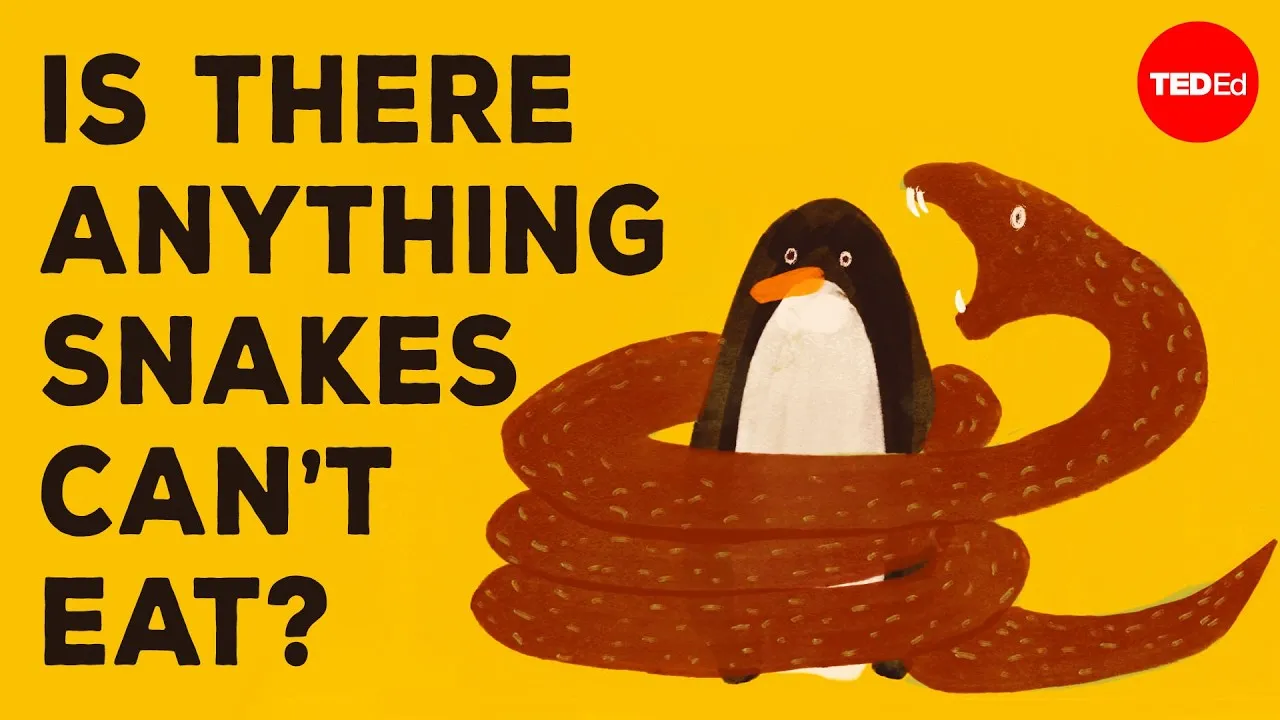
How Snakes Swallow Prey Much Larger Than Themselves
Have you ever wondered how a snake can eat an animal that looks much too big to fit down its throat? It seems impossible, like trying to fit a bigger tube inside a smaller one. But snakes have amazing ways to do just that. This article will show you the incredible adaptations that allow snakes to swallow prey larger than their own heads.
What You’ll Learn
You will discover how snakes’ jaws work differently from ours, how they can stretch their mouths, and how they manage their breathing and bodies to swallow huge meals. We’ll also look at some special cases, like snakes eating bones or dealing with poisonous prey.
Prerequisites
- A curious mind! No special equipment or prior knowledge is needed.
1. Understanding the Snake’s Jaw
Unlike humans, whose jaw bones are firmly connected, a snake’s lower jaw bones are not fused together. They are linked by a stretchy ligament. This connection allows the two sides of the lower jaw to move independently and spread far apart. The bones on the sides of their lower jaws can also flare outwards. This unique setup lets snakes open their mouths incredibly wide, much wider than you might expect.
2. Stretching Their Mouths to the Limit
Some snakes, like the reticulated python, can open their mouths up to 180 degrees. That means their jaws can spread out to form a straight line. Other snakes have stretchy skin and tissue along their jaws. This extra flexibility lets them expand their mouths up to four times the width of their own skulls. This is how they can tackle prey like hyenas, alligators, and even humans, swallowing them whole.
Expert Note
This extreme stretching can cause their skin to sag. It can also take weeks for a snake to fully digest such a large meal. However, their intestines have special cells that help break down bones. Some snakes can even survive for over a year on a single, massive meal.
3. Keeping Prey from Escaping
Once a snake starts swallowing, it needs to make sure the prey doesn’t get away. Many snakes have sharp, curved teeth lining their jaws. These teeth are designed to grip the prey firmly. They curve backward, making it very difficult for the animal to wiggle back out of the snake’s mouth. This ensures the meal makes its way down safely.
4. Breathing While Swallowing Big Meals
Swallowing a large animal can block a snake’s windpipe. To prevent suffocating, snakes have a clever solution. They can shift the position of the entrance to their airway, which is located at the back of their throat. They can also control which parts of their rib cage they use for breathing. This allows them to keep taking in air even when their mouths are completely full.
5. Special Diets and Unique Methods
Not all snakes eat their prey in the same way. For example, African egg-eating snakes swallow large bird eggs whole. They use sharp, inward-facing spines on their vertebrae in their esophagus to pierce the eggshell. After swallowing the liquid inside, they spit out the empty shell. Other snakes, like crab-eating snakes, might remove limbs one by one. Blindsnakes that eat termites often decapitate their targets first. They do this to focus on the more easily digestible bodies.
Did You Know?
Some blindsnakes use special chemical scents to keep their prey away from other predators. This allows them to live safely among ants and eat them without being attacked. Amazingly, baby owls sometimes use blindsnakes in their nests. The blindsnakes eat insects that could harm the owlets, helping the young owls grow faster and survive better.
6. Dealing with Poisonous Prey
Some snakes eat prey that is toxic to other animals. Garter snakes, for instance, eat western newts, which have a powerful nerve toxin in their skin that could kill a person. Garter snakes are unaffected because they have special proteins in their nerve cells. These proteins stop the toxin from doing any harm. The toxin can even stay in the snake’s body for weeks, offering protection against its own predators.
7. The Zig-Zag Trick for Bigger Prey
So, how does a snake swallow something bigger than itself, like the kingsnake eating a rat snake? The kingsnake uses a clever method when its stomach is full. It stretches and compresses its spine. This pushes the larger prey into a kinked, zig-zag shape inside the snake’s body. When you look at an X-ray of a snake after such a meal, the prey inside looks like a bent S-shape. It’s a surprising but effective way to fit a large meal into a tight space.
Final Thought
Snakes have evolved some truly remarkable adaptations for hunting and eating. Their flexible jaws, specialized teeth, and unique breathing methods allow them to consume prey that seems impossible. From swallowing prey much larger than their heads to handling deadly toxins, snakes are masters of survival in the animal kingdom.
Source: How do snakes swallow animals so much bigger than they are? – Niko Zlotnik (YouTube)