How to Improve Democracy With Randomly Selected Leaders
Democracy is built on the idea that everyone gets a say in how their country is run. We usually do this through elections. But elections can have problems like corruption, people not voting smartly, and politicians being too focused on money and connections. What if there was another way? Ancient Athens used a system called sortition, where leaders were chosen by drawing lots. This article will explain how sortition worked and how a modern version of it, called lottocracy, could potentially fix issues in today’s democracies.
What You’ll Learn
You will learn about the ancient Athenian method of choosing leaders by lottery, called sortition. You’ll also discover a modern idea called lottocracy, which suggests using lotteries to pick people for special government assemblies. We’ll explore the problems lottocracy aims to solve, like unfair representation and lack of expertise, and also look at the arguments against it.
Understanding Ancient Sortition
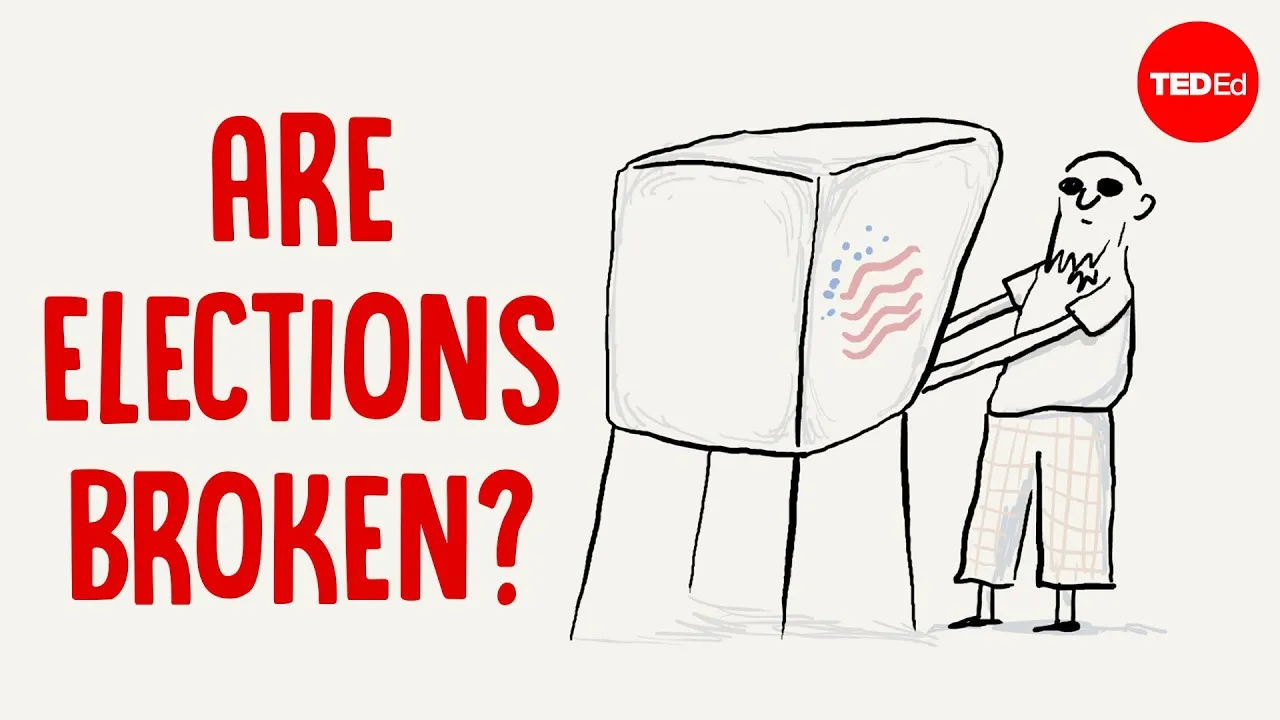
From around 508 to 322 BCE, ancient Athens used a different system than elections for most government jobs. Instead of voting, they picked people using a lottery. Imagine a machine where citizens put in a token with their name. This machine would randomly pick people for jobs in the government. Only special roles, like military leaders or top finance officials, were still elected.
To make sure the chosen people were fit for the job, they had to pass a public review of their character. If they passed, they usually served for just one year. When their term was over, they were reviewed again. This review checked how they did their job and handled money while in office. The main goal of this lottery system was to make sure everyone had an equal chance in politics.
The Athenians actually thought lotteries were fairer than voting. They believed elections often helped rich and well-connected people win. But with lotteries, ordinary citizens could step up and do their civic duty. Also, since most people couldn’t serve more than once, sortition stopped anyone from gaining too much power over time.
Limitations of Athenian Sortition
This system wasn’t perfect, though. It left out many people, including women, those not born in Athens, and enslaved individuals. Famous thinkers like Plato and Aristotle also pointed out that making good political decisions often needs special knowledge. They argued that short terms and random selection don’t guarantee you’ll get experts in government.
Introducing Modern Lottocracy
Even with its flaws, the Athenian lottery system was popular and lasted a long time. Could a similar idea work today? Some people think so. Political thinker Alex Guerrero has proposed a modern version for America called lottocracy. His idea is to create many different government groups, each focused on one specific topic.
These groups would be called Single-Issue, Lottery-selected Legislatures, or SILLs. Each SILL would have hundreds of citizens chosen randomly. These citizens would be taught about their topic by experts and people who know a lot about it. After listening to the public’s ideas, the SILL members would create and vote on laws for their specific area.
This system could even affect the highest levels of government. Instead of one president, powers could be spread across different lottery-selected Executive Assemblies. These assemblies would then choose administrative officials to carry out their work.
Problems Lottocracy Aims to Solve
Supporters believe lottocracy could help fix three major issues in today’s democracies.
- Unequal Representation: Running for office costs a lot of money and requires connections. This often means elected officials are much wealthier than the people they represent. For example, in recent years, about half of the members of the US Congress were millionaires.
- Outside Influence: Many politicians rely on donations from individuals, companies, and special groups. These donors might try to get the politicians to make decisions that benefit them. Lottocracy would make it harder for money to buy influence. It avoids elections, pays appointed officials well, and has short term limits to prevent long-term deals.
- Lack of Expertise: Current politicians often have to deal with many complex issues at once. In contrast, SILLs would allow members to focus and become experts in just one subject. This could lead to better-made policies.
Arguments Against Lottocracy
This idea is quite different from what we have now, and it has faced criticism. Some political thinkers argue that lottocracy asks most citizens to simply trust a few randomly chosen people. They believe that democracy should allow everyone to participate equally. Elections are a key part of this freedom.
Elections allow people to decide what issues are important and hold their leaders accountable. Voters can remove politicians they don’t like. In this view, voting is how citizens work together to control government power. Without elections, even a very skilled government chosen by lottery might feel like it’s ruled by experts, not by the people.
Finding the Right Balance
It’s hard to say for sure if a system without elections can still be called democratic. But this discussion shows a common goal: creating systems that work for everyone and solve real problems. Like all parts of democracy, it’s up to us to keep trying new ideas until we find a system that truly works for all.
Source: Should we replace politicians with randomly selected people? – Michael Vazquez (YouTube)