Unlock Effortless Weight Loss with GLP-1 Agonists
In recent years, medications like Ozempic and Mounjaro have revolutionized weight management, offering a powerful solution for millions struggling with obesity. Unlike traditional diets that rely heavily on willpower, these GLP-1 agonist drugs work by targeting the body’s biological mechanisms to curb appetite and regulate blood sugar. This article will guide you through how these medications function, their significant health benefits, potential side effects, and how to incorporate them into a healthier lifestyle.
Understanding the Science Behind Appetite Regulation
Our drive to eat is deeply rooted in our evolutionary past, where food scarcity was a constant concern. Our brains are wired to seek out calorie-dense foods, leading to overeating in today’s environment of readily available, hyperpalatable food. This biological predisposition makes sustained weight loss through diet and exercise alone incredibly challenging for many.
The Role of GLP-1 Hormones
Hormones play a critical role in regulating our eating behaviors. One such hormone is Glucagon-Like Peptide-1 (GLP-1), released after a meal. GLP-1 signals the pancreas to produce insulin, slows digestion, and, crucially, increases feelings of fullness and satisfaction, thereby curbing appetite. However, natural GLP-1 has a very short lifespan in the bloodstream.
How GLP-1 Agonists Work
Scientists have developed synthetic versions of GLP-1, known as GLP-1 agonists. These medications, including semaglutide (Ozempic) and tirzepatide (Mounjaro), mimic the action of natural GLP-1 but with a much longer duration of effect, lasting up to a week. By maintaining a consistent GLP-1 signal in the bloodstream, these drugs effectively:
- Reduce Appetite: They significantly decrease feelings of hunger and the constant urge to eat, often referred to as “food noise.”
- Increase Satiety: You feel full and satisfied with smaller amounts of food, making it easier to avoid overeating.
- Slow Digestion: This further contributes to feeling full for longer periods.
This biological intervention makes dieting feel almost effortless, as the medication helps manage appetite and cravings without requiring constant willpower.
Transformative Health Benefits of GLP-1 Agonists
The impact of these drugs extends far beyond weight loss, offering profound improvements in overall health. Obesity is a major risk factor for numerous chronic diseases, and by effectively managing weight, GLP-1 agonists can significantly mitigate these risks.
Cardiovascular Health
Treatment with semaglutide has been shown to reduce the risk of major cardiovascular events like stroke or heart attack by up to 20%. Tirzepatide has demonstrated a remarkable 66% reduction in the chances of developing type 2 diabetes.
Metabolic and Organ Function
These medications can improve insulin resistance, reduce sleep apnea, enhance kidney and liver function, lower inflammation, and potentially decrease the risk of certain cancers. Some studies even suggest they may play a role in slowing cognitive decline associated with Alzheimer’s disease.
Hormonal Balance and Fertility
Obesity often disrupts hormonal balance, affecting fertility and increasing pregnancy complications. GLP-1 agonists may help restore this balance, potentially improving fertility and supporting healthier pregnancies.
Beyond Weight: Potential for Addiction Treatment
Intriguingly, research suggests that GLP-1 agonists may also help quiet cravings for substances like alcohol, nicotine, and opioids. Large-scale trials are ongoing to confirm these effects, which could position these drugs as groundbreaking treatments for addiction.
A Symphony of Benefits
While many benefits are a direct result of weight loss, some positive effects have been observed even in individuals who did not experience significant weight reduction. This suggests that activating the GLP-1 pathway might help synchronize the body’s metabolic systems, restoring balance between the brain, gut, and other organs.
Navigating Potential Side Effects and Considerations
Like all medications, GLP-1 agonists come with potential side effects. It’s crucial to be aware of these and discuss them with your healthcare provider.
Common Side Effects
The most frequently reported side effects include nausea, vomiting, diarrhea, and constipation. While unpleasant, these are typically mild and temporary for most individuals.
Less Common but Serious Side Effects
In a smaller percentage of patients (under 5%), more serious issues like pancreatitis, kidney problems, or gallbladder disease can occur. Regular monitoring by a healthcare professional is essential.
The Importance of Muscle Mass
Rapid weight loss, while beneficial, can lead to a loss of muscle mass if not managed properly. This is particularly concerning for individuals over 40, as muscle building becomes more challenging, and the risk of falls increases. To counteract this:
- Incorporate Resistance Training: Engage in regular strength training exercises.
- Ensure Adequate Protein Intake: Consume sufficient protein to support muscle maintenance and growth.
While these drugs alter biology, they do not eliminate the need for healthy lifestyle habits. They make the journey easier but do not remove the requirement for effort.
Long-Term Use and Weight Maintenance
For most people, weight loss slows down and eventually plateaus after about a year. At this point, many stop using the medication. If the time on the drug was used to adopt sustainable healthy eating habits, maintaining weight loss is highly probable.
However, a significant portion of individuals (around 25% regain substantial weight, and 20% regain all of it) may find long-term maintenance challenging without the medication. This raises the question of whether long-term or lifelong use might be necessary for some. Current data from older GLP-1 drugs (since 2005) have not shown major long-term issues, and living with the medication appears significantly healthier than living with obesity.
The Future of Obesity Treatment
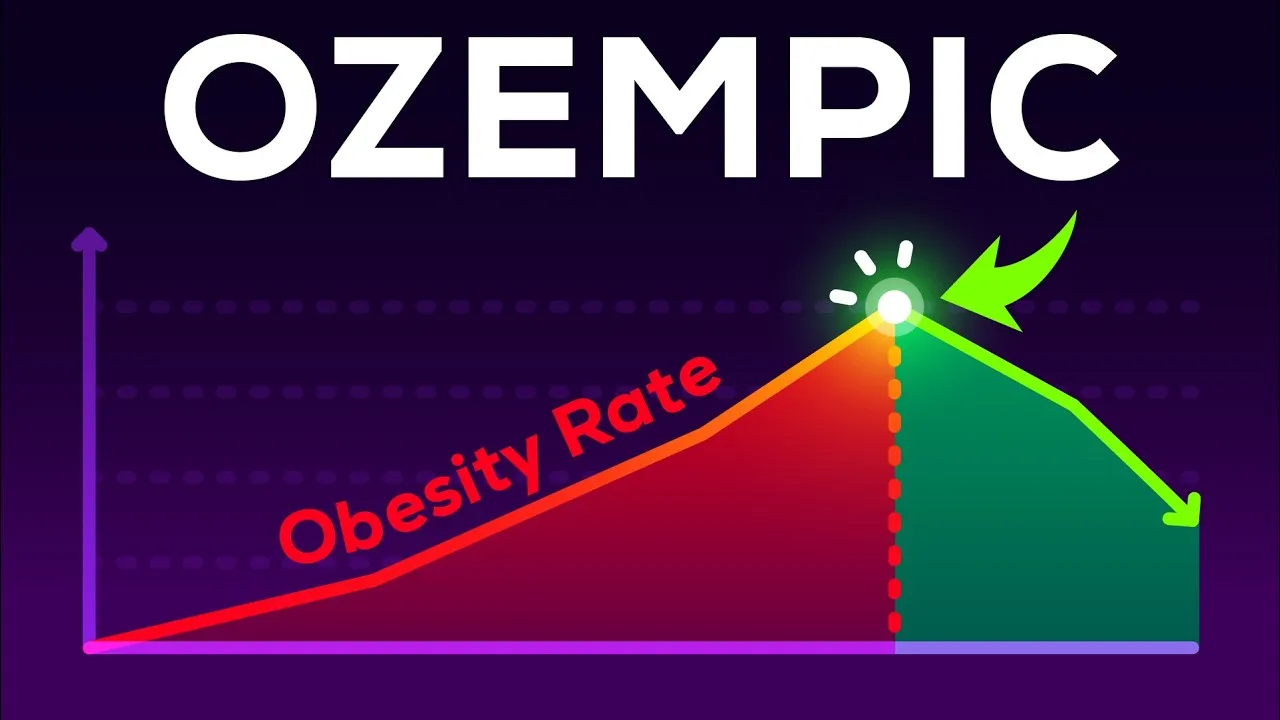
Modeling studies suggest that widespread use of GLP-1 drugs could dramatically reduce obesity rates, prevent millions of cases of diabetes and heart disease, and save millions of lives. While current obstacles include supply shortages and high costs, increased production and decreasing prices are anticipated.
Conclusion: A Healthier Horizon
GLP-1 agonists represent a monumental leap in our ability to combat obesity and its associated health risks. While they are not a magic bullet and still require lifestyle changes and medical supervision, they offer an unprecedented opportunity to achieve significant and sustainable weight loss, leading to a healthier future for millions.
Disclaimer: Always consult with a qualified healthcare professional before making any decisions about your health or treatment. This information is for educational purposes and does not constitute medical advice.
Source: The Uncomfortable Truth About Ozempic (YouTube)