Learn to Manage Natural Resources Effectively
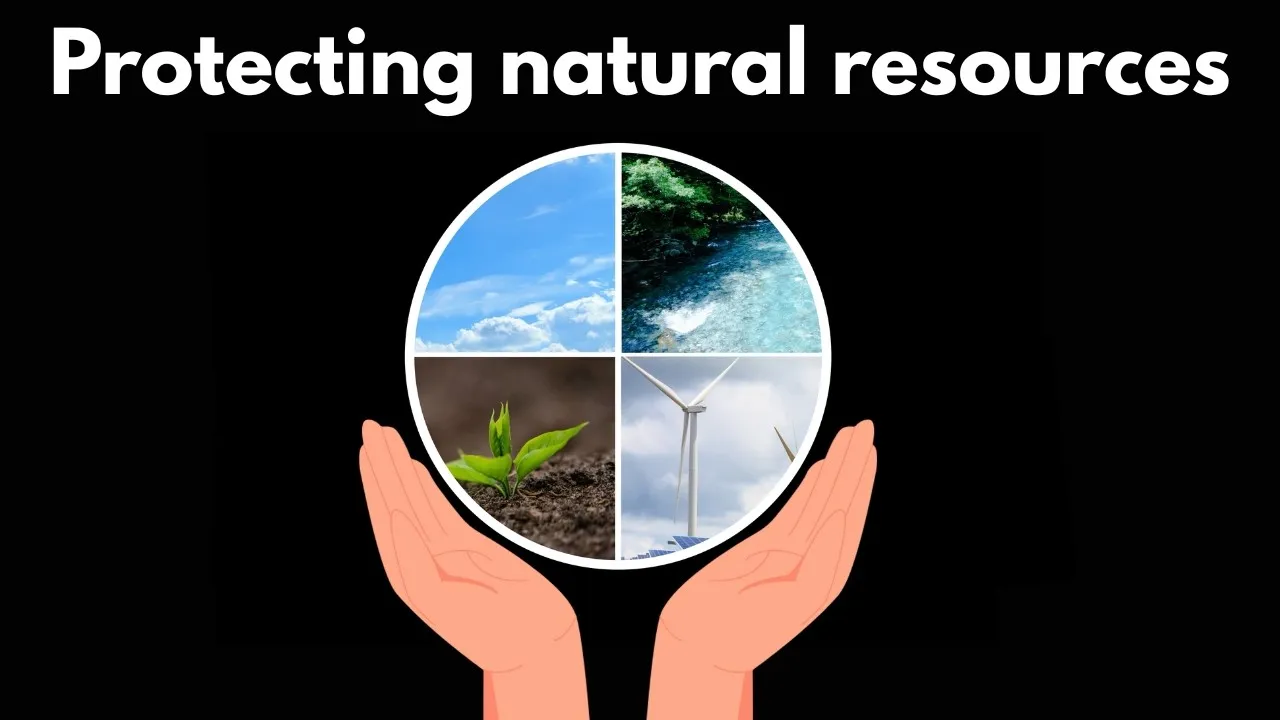
Communities rely on natural resources like air, water, soil, and energy. How these resources are managed can make a big difference. A well-managed community can stay powered during a heatwave, while a poorly managed one might face blackouts. Similarly, rivers can stay clean and healthy or become muddy and polluted. Healthy soil can grow crops, while dry, cracked soil cannot. This article will show you how communities use smart strategies to manage their resources. You will learn about conservation, efficiency, and technology, and how they work together to protect our planet and communities.
What is Natural Resource Management?
Natural resource management is like making a plan for how we use important things like water, food, air, and energy. The main goal is to make sure these resources are still around for a long time. This means avoiding using too much or wasting them. Sometimes, overuse happens because of old systems, poor planning, or not having enough access to resources. It can also happen when systems aren’t built for growing populations. Resource management aims to fix these problems. It helps communities become stronger and better able to handle challenges.
Three Strategies for Managing Resources
Communities use three main strategies to manage their natural resources wisely. These are conservation, efficiency, and technology. Let’s explore each one.
1. Conservation: Protect and Use Wisely
Conservation means protecting natural resources and using them carefully. The aim is to prevent them from being damaged or wasted. One way communities practice conservation is by protecting natural areas. For instance, wetlands near cities act like sponges. They soak up extra water during floods and clean pollution before it reaches rivers. When wetlands are kept safe instead of being covered up for buildings, they help both nature and people. Communities can also plant native plants along riverbanks. The roots of these plants hold the soil tightly, preventing it from washing away during heavy rains and keeping rivers clean. Conservation also involves protecting where our drinking water comes from. This means limiting building near water sources. The main idea of conservation is to reduce harm before it gets too serious. It helps keep our air and water clean. It also supports the communities that depend on healthy environments.
Examples of Conservation in Your Community:
- Water restrictions during dry spells help keep reservoirs from running empty.
- Cities might limit watering lawns on very hot summer days.
- Planting trees in neighborhoods can improve air quality and cool things down.
These actions might seem small, but they play a big role in protecting important resources over time.
2. Efficiency: Do More with Less
Efficiency means getting the same results while using fewer resources. Imagine two buildings that both stay cool during the summer. One might use a lot of electricity, while the other uses much less. The second building is more efficient because it has better insulation and a roof that reflects sunlight. Efficiency is about meeting our needs, like staying cool, by using less of things like electricity. Other examples of efficiency include smart thermostats. These devices automatically lower energy use when a building is empty. Water pipe systems can have leak detection. These systems find and fix leaks early, stopping clean water from being wasted underground. Some cities use streetlights with motion sensors. These lights get brighter when someone is near but dim when no one is around. This saves energy while still keeping areas safe. Using fewer resources means less waste. Less waste leads to less pollution and lower costs for everyone.
Efficiency in Everyday Systems:
- Recycling programs collect different materials separately. This lets communities reuse items instead of taking new raw materials from the earth.
Efficiency doesn’t stop us from using resources. It simply reduces waste that isn’t necessary.
3. Technology: Smart Tools for Resource Management
Technology refers to the tools, machines, and systems that help us manage natural resources better and more safely. For example, air quality sensors measure pollution levels in cities. If pollution gets too high, health warnings can be sent out. This helps protect people who are more likely to get sick. Solar panels and wind turbines create electricity without burning fuels that pollute the air. Battery storage systems can save renewable energy. This stored energy can be used later when the sun isn’t shining or the wind isn’t blowing. In dry areas, desalination plants can turn ocean water into fresh drinking water. These advanced systems need careful planning and energy management. However, they offer great benefits. Smart electric grids can automatically manage how power is sent out. This helps prevent power outages, even during heat waves. Satellite images can help communities track dry conditions. This allows them to plan water use more carefully.
Expert Note: Technology helps communities face challenges. However, it works best when combined with conservation and efficiency. Technology supports good planning; it is not a quick fix for all problems.
Putting It All Together
Natural resource management is all about planning carefully. We need to think about how air, water, soil, and energy are used. The goal is to keep these resources available for the future without damaging or overusing them. Communities use conservation, efficiency, and technology together. Conservation protects resources and ensures careful use. Efficiency helps us meet our needs while using fewer resources. Technology provides tools and systems for safer and more effective management. By using these strategies, communities can gradually solve problems. They can build a healthier and more stable future for both people and the environment.
Source: Protecting natural resources | Middle school Earth and space science | Khan Academy (YouTube)