How to Reinforce a Skyscraper Against Catastrophic Failure
This article details the emergency measures taken to reinforce the Citicorp Center, a skyscraper that faced a critical structural threat. Learn about the innovative solutions and clandestine operations that saved the building from potential disaster.
Overview
In the face of an unexpected structural vulnerability discovered after construction, the Citicorp Center’s engineers and construction crews undertook a massive, covert operation to reinforce the building. This involved reinforcing critical joints, utilizing an emergency generator system for a crucial component, and developing an extensive evacuation plan. This guide breaks down the key steps and considerations involved in this high-stakes engineering feat.
Prerequisites
- Understanding of basic structural engineering concepts.
- Familiarity with skyscraper construction and maintenance.
Steps to Reinforce the Skyscraper
Utilize Emergency Generators for the Tuned Mass Damper (TMD)
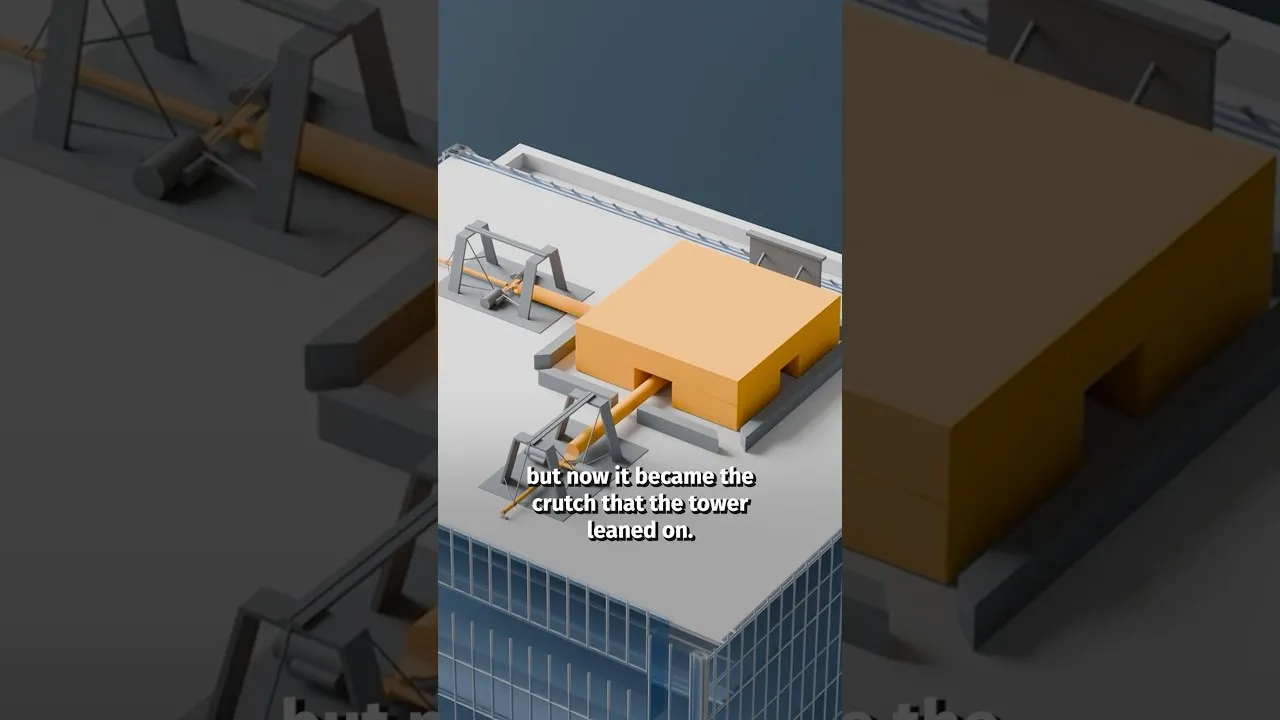
The building’s Tuned Mass Damper (TMD), initially installed for occupant comfort to counteract swaying, became a critical element in the emergency reinforcement plan. Emergency generators were acquired to ensure the TMD could function reliably, effectively becoming the primary support system for the tower during the reinforcement process.
Perform Nightly Welder Repairs
A clandestine repair operation was initiated, requiring welders to work exclusively at night after office hours. The process involved removing sheetrock around the chevron beams to access the structural joints.
Detailed Repair Procedure:
- Welders would carefully remove the sheetrock surrounding the chevron beams.
- Two steel plates, each 5 cm thick and 2 meters long, were welded onto each joint. These acted as reinforcement, akin to large “band-aids” on the structural connections.
- The plates were applied to both sides of each joint for maximum effect.
- After welding, the sheetrock was replaced, and the work area was cleaned to ensure the building appeared untouched by morning.
This nightly operation was designed to be completed before the return of office workers each day.
Prioritize and Execute Welds on Over 200 Joints
The reinforcement effort required welding over 200 critical joints. To manage this extensive task efficiently, the joints were ranked by importance. The repair work commenced with the most critical joints, starting from the 30th floor and progressing upwards.
Expert Note: Prioritization is key in any large-scale repair project, especially when time is a critical factor. Focusing on the most vulnerable points first ensures that the most significant risks are mitigated earliest.
Develop a Comprehensive Evacuation Plan
With the reinforcement work potentially extending into hurricane season, a proactive evacuation plan was essential. The building’s management collaborated with the Red Cross to develop a detailed 10-block radius evacuation strategy.
Evacuation Plan Considerations:
- Assessing the number of people at risk within the building.
- Analyzing the potential impact if the building were to collapse, including the domino effect on adjacent structures. The plan accounted for a catastrophic failure that could topple into neighboring buildings, leading to a chain reaction of destruction.
This plan was developed to address the potential for a devastating cascade of collapses, the full extent of which was difficult to quantify but understood to be catastrophic.
Warning: The potential for a domino effect in urban environments highlights the importance of robust structural integrity and comprehensive emergency preparedness for all tall buildings.
Implement Covert Monitoring Systems
To avoid public panic and maintain operational continuity, the decision was made not to disclose the structural issues or the ongoing repairs to the public or even the building’s occupants. Instead, a sophisticated monitoring system was put in place.
Monitoring System Details:
- Strain gauges were installed on crucial structural members throughout the skyscraper.
- These gauges continuously measured the building’s every movement, including bending and twisting.
- The data from these gauges was transmitted to a remote command center located eight blocks away for real-time analysis and oversight.
This approach allowed engineers to closely track the building’s condition without causing alarm.
Conclusion
The reinforcement of the Citicorp Center is a testament to innovative engineering, meticulous execution, and strategic crisis management. By employing a combination of structural reinforcement, emergency systems, and covert operations, a potential disaster was averted, ensuring the safety of occupants and the surrounding city.
Source: How They Prevented The Citicorp Disaster (YouTube)