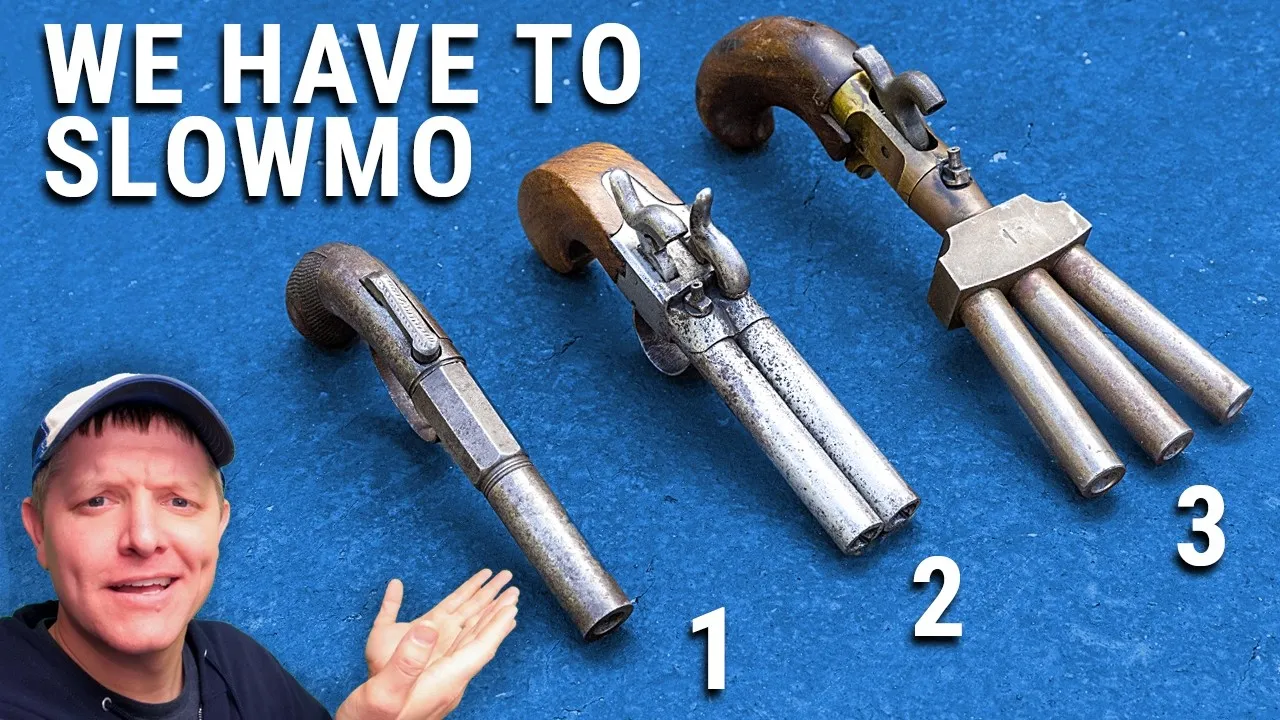
Learn to Load and Fire Antique Black Powder Pistols
This guide will walk you through the process of safely loading and firing antique black powder firearms, specifically focusing on single, double, and triple-barreled pistols. You’ll learn about the components of these firearms, the materials needed for firing, and the step-by-step process of preparing and discharging them, all while emphasizing safety precautions.
Prerequisites
Before you begin, ensure you have:
- Antique black powder pistols (single, double, or triple barrel).
- Black powder (specifically for pistols).
- Lead balls (appropriate caliber for your pistols).
- Percussion caps.
- Powder measuring tool (grain scale).
- Ramrod.
- Patches.
- Hearing protection.
- Safety glasses.
- A safe, designated firing area.
- Water for clearing the firearms afterward.
Step-by-Step Guide
Step 1: Understand Your Firearm
Antique black powder pistols operate using a percussion cap system. When the hammer is pulled back, it reveals a nipple underneath. A percussion cap is placed on this nipple. When the trigger is pulled, the hammer strikes the percussion cap, igniting it. The spark from the cap travels into the barrel, igniting the black powder charge, which propels the projectile.
Step 2: Prepare the Black Powder Charge
For the pistols discussed, a reduced load of black powder is recommended, such as 10-15 grains. Always consult historical data or experienced individuals for appropriate loads for your specific firearm. Using a powder measuring tool, carefully measure the desired amount of black powder. Pour the measured powder directly into the barrel of the pistol.
Step 3: Load the Projectile
Once the powder is in the barrel, place a patch over the muzzle. Then, place the lead ball on top of the patch. Use the ramrod to push the ball and patch down into the barrel, compressing the powder. Ensure the projectile is seated firmly and all the way down the barrel. The ramrod should be pulled out afterward.
Step 4: Prepare for Firing
Place a percussion cap securely onto the nipple located beneath the hammer. Ensure you are wearing hearing protection and safety glasses. If using a high-speed camera, set it up to capture the shot. Move to a safe distance or behind protective cover, especially when firing older firearms.
Step 5: Fire the Pistol
When ready, carefully pull the trigger. For pistols with multiple triggers or firing mechanisms, understand how each operates. Some may allow for individual barrel firing, while others might fire multiple barrels simultaneously. Be aware that there can be a delay between pulling the trigger and the firearm discharging due to the ignition process.
Step 6: Assess the Firing
After firing, observe the results. Note if all barrels discharged, if there were any misfires, or if the projectile hit its intended target. The slow-motion footage from a high-speed camera can be invaluable for analyzing the ignition sequence and identifying any issues.
Step 7: Clearing the Firearm
After firing, it is crucial to clear the firearm. Even if you believe it has fired, follow a safe clearing procedure. For black powder firearms, this often involves flooding the barrels with water to ensure all residue is neutralized and no smoldering embers remain. This also helps in removing any stuck projectiles or residue that might prevent subsequent shots.
Step 8: Addressing Misfires
If a firearm fails to fire (misfire), do not immediately assume it is clear. A misfire can occur due to a faulty percussion cap, a blocked nipple, or insufficient powder. In such cases, carefully remove the percussion cap and attempt to clear the nipple using a nipple pick or similar tool to ensure a clear path to the powder charge. Then, reapply a new percussion cap and attempt to fire again. If the issue persists, further investigation and potentially professional assistance may be required.
Step 9: Advanced Techniques and Considerations
For multi-barreled firearms like the triple-barreled pistol, understanding the internal mechanism that distributes the ignition is key. These often involve a manifold system where a single percussion cap ignites powder charges in multiple barrels. Aiming these firearms can be challenging due to the fixed spread of the barrels. Plan your shots considering this spread and the effective range of the firearm. Be mindful of the ‘lock time’ – the duration between pulling the trigger and the projectile leaving the barrel. This delay can be significant in antique firearms and can cause the shooter to move off-target, resulting in missed shots.
Expert Notes and Warnings
- Safety First: Always treat antique firearms with extreme caution. Wear appropriate safety gear at all times.
- Reduced Loads: When firing very old firearms, using reduced powder loads is highly recommended to prevent damage to the antique weapon and ensure safer operation.
- Maintenance: Proper cleaning and maintenance after firing black powder firearms are essential to prevent corrosion and ensure their longevity. Flush with water immediately after use.
- Lock Time: Be aware of the long lock time in antique firearms. Practice aiming and trigger control to compensate for the delay between firing and discharge.
- Professional Guidance: If you are unfamiliar with black powder firearms or antique weapons, seek guidance from experienced individuals or historical firearms experts.
- Legality: Ensure you are aware of and comply with all local laws and regulations regarding the ownership and firing of antique firearms.
Source: The Incredibly Unique Triple Barreled Pistol… – Smarter Every Day 304 (YouTube)