Suspicious Trades Precede Iran Talks Announcement
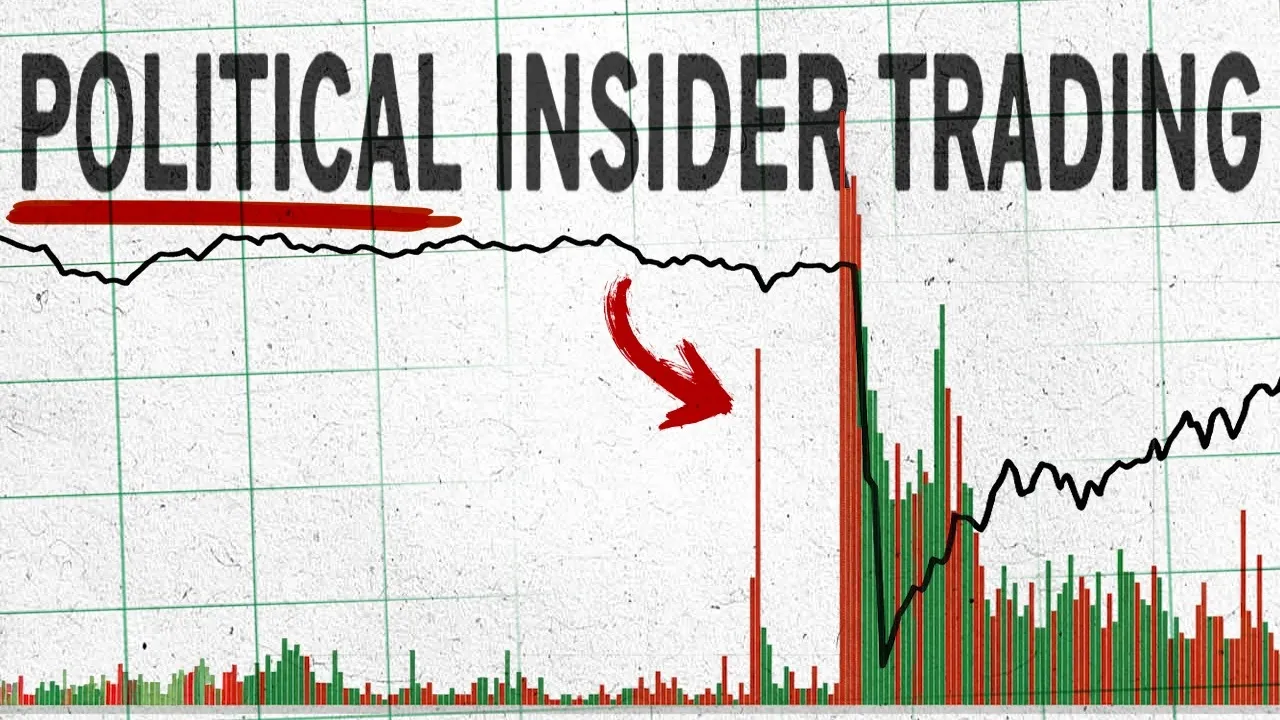
A significant spike in futures trading occurred just 16 minutes before a presidential announcement on True Social regarding productive talks with Iran. These talks were intended to deescalate regional tensions and potentially ease shipping traffic in the Strait of Hormuz, which could lead to lower oil prices and a more positive market outlook.
The timing of the trades, occurring so close to the major announcement, has raised serious questions about insider trading. If the trades were indeed based on this privileged information, a single speculator could have potentially made as much as $60 million in just 20 minutes. This event has brought renewed attention to the issue of insider trading in Washington.
Insider Trading Becomes the Norm?
The incident highlights a growing concern that insider trading has become an accepted, or at least an expected, practice among some government officials. Reports suggest that individuals, from high-ranking politicians to public servants, consistently achieve investment returns that outperform top hedge funds. While this behavior is widely considered unethical and potentially illegal, many people have become desensitized to it.
The lack of significant consequences or public outcry suggests a widespread indifference. This numbness is partly because many individuals do not have substantial stock investments, or they feel the impact of such activities is minimal compared to other economic challenges they face daily.
Why This Trade Caught Attention
Despite the general apathy, this particular suspected insider trade generated significant public interest for two main reasons. Firstly, it involved the oil market, a sector directly impacting consumers struggling with high gas prices. The idea of someone profiting immensely from speculation on oil prices while ordinary citizens face financial strain is inherently unfair.
Secondly, the sheer boldness of the alleged trade was striking. The trades involved hundreds of millions of dollars in notional value within a single minute, occurring just 15 minutes before a market-moving announcement. This lack of subtlety suggests a disregard for detection, almost as if the traders were openly signaling their privileged knowledge.
Patterns in Market-Moving Announcements
Analysis of market-moving announcements over the past year reveals a consistent pattern. Good news, such as tariff delays or de-escalation talks, is often announced on Monday mornings before markets open. Conversely, bad news, like new tariffs or military actions, tends to be released late on Fridays after markets have closed.
This tactic, once a simple way to bury unfavorable news, now appears to be structured to coincide with potentially profitable trading opportunities. The timing of these announcements, coupled with suspicious trading activity, suggests a deliberate strategy to benefit from non-public information.
Factors Enabling Blatant Insider Trading
Several factors have made it easier for insider trading to become more apparent. The rise of cryptocurrencies and various trading platforms allows for easier betting on a wide range of events. These platforms can also make it harder to track suspicious trades, especially for those who are not high enough in the government to be completely above the law but possess insider knowledge.
Additionally, Washington is generating more market-moving information than ever before. Government spending now makes up a larger portion of the economy, and significant events like stimulus measures, trade policy changes, and Federal Reserve meetings draw massive public attention. Financial performance is increasingly tied to government decisions.
Light Punishments and Data Accessibility
The punishments for individuals caught abusing their positions for personal gain have been notably light, both legally and politically. This leniency, combined with the media’s reduced focus on such issues, contributes to the sense that little will be done.
Despite the STOCK Act of 2012 requiring public disclosure of trades by members of Congress and their staff, accessing this information is deliberately difficult. The disclosure system’s interface is outdated and presents data in a confusing manner, making it challenging for the public to track. While third-party websites offer more user-friendly access, the need for them highlights the system’s flaws.
Impact on Investment and Governance
While the direct trading volume disclosed by Congress is significant, around $1 billion annually, its true cost lies in how it influences decision-making. When lawmakers trade stocks related to industries they oversee, it raises questions about whether their policy decisions prioritize public interest or personal profit.
For example, a lawmaker on an agricultural committee might be influenced by their corn futures investments when deciding on farm policy. Similarly, decisions about the AI industry or geopolitical strategies could be skewed by significant stock holdings. These decisions can affect interest rates, trade agreements, and the nation’s currency strength, ultimately impacting the broader economy and increasing borrowing costs for the government.
Market Impact and What Investors Should Know
Concentrated Outperformance
Data suggests that while many members of Congress hold relatively standard investment portfolios, a small group of active traders significantly outperforms the market. In 2025, just under a third of congressional portfolios beat the S&P 500, but this average was heavily skewed by a few dozen individuals making thousands of trades a year.
Seniority and Committee Influence
More senior members of Congress, particularly those on influential committees, tend to achieve the highest returns. These positions grant them access to more sensitive information. Studies show that lawmakers in leadership roles outperform their peers by an average of 47 percentage points.
The Cost of Distrust
The perception of insider trading erodes trust in government and financial markets. This distrust can lead to increased economic uncertainty, reflected in higher interest rates on government debt. The cost of borrowing for the U.S. has more than doubled in five years, partly due to this increased risk premium, which ultimately falls on taxpayers through higher taxes or inflation.
Long-Term Implications
The ongoing issue of insider trading and its influence on policy decisions poses a long-term risk to economic stability and public trust. It creates a system where financial incentives may conflict with the public good, potentially leading to suboptimal economic policies and a higher cost of capital for the nation.
Source: So… We Aren't Even Trying To Hide it Anymore? (YouTube)